Washington D.C. December 2025
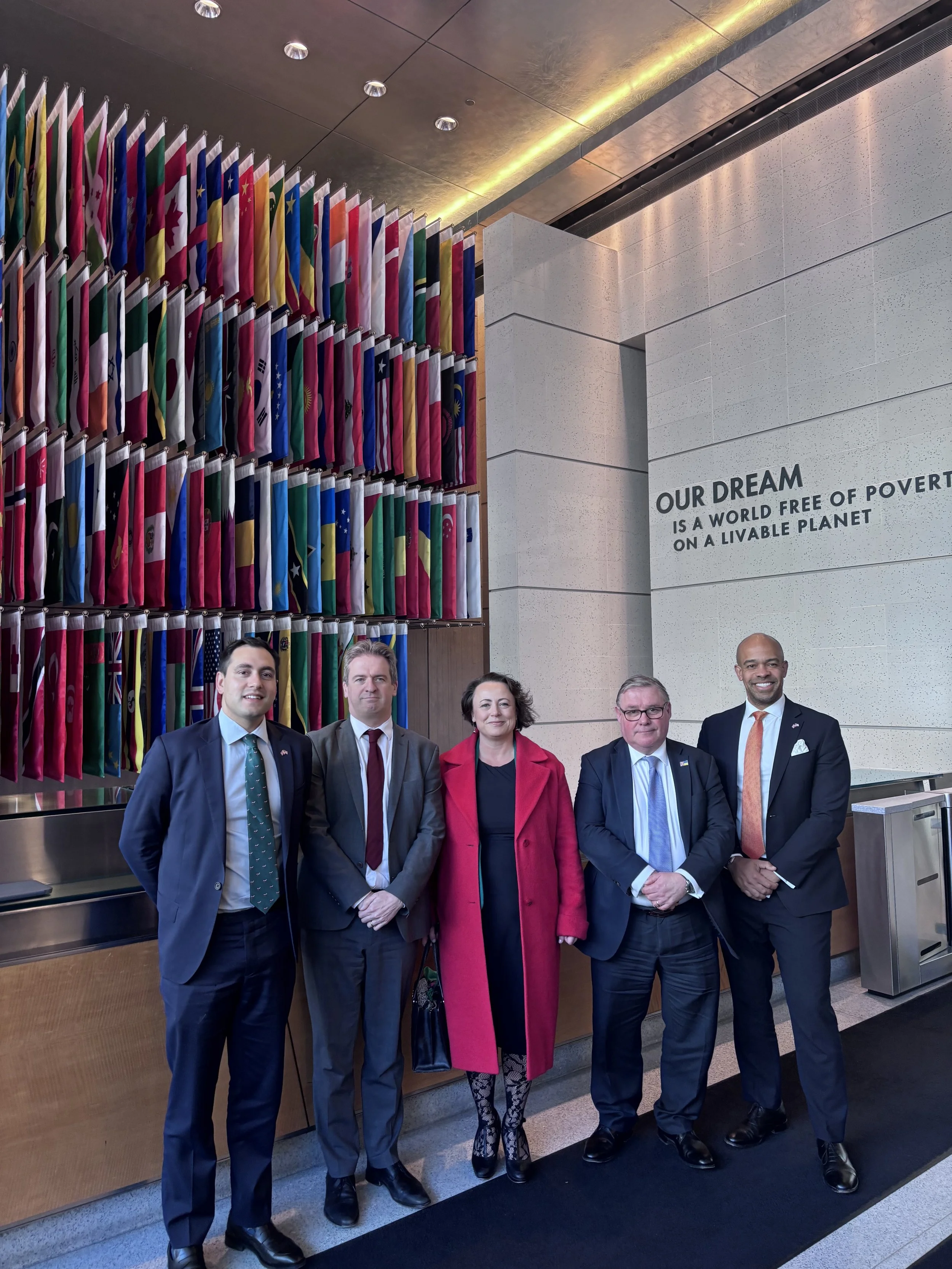
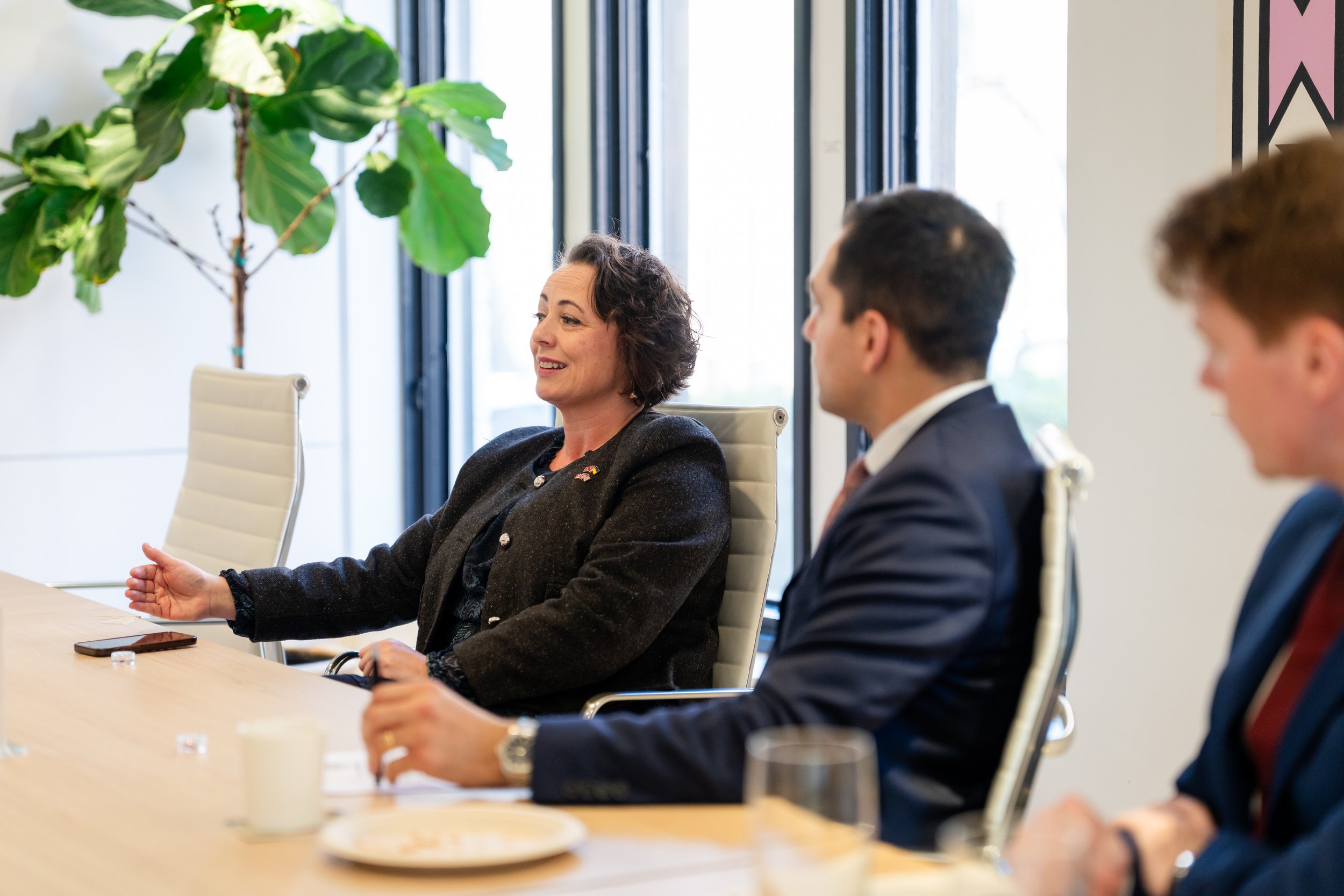
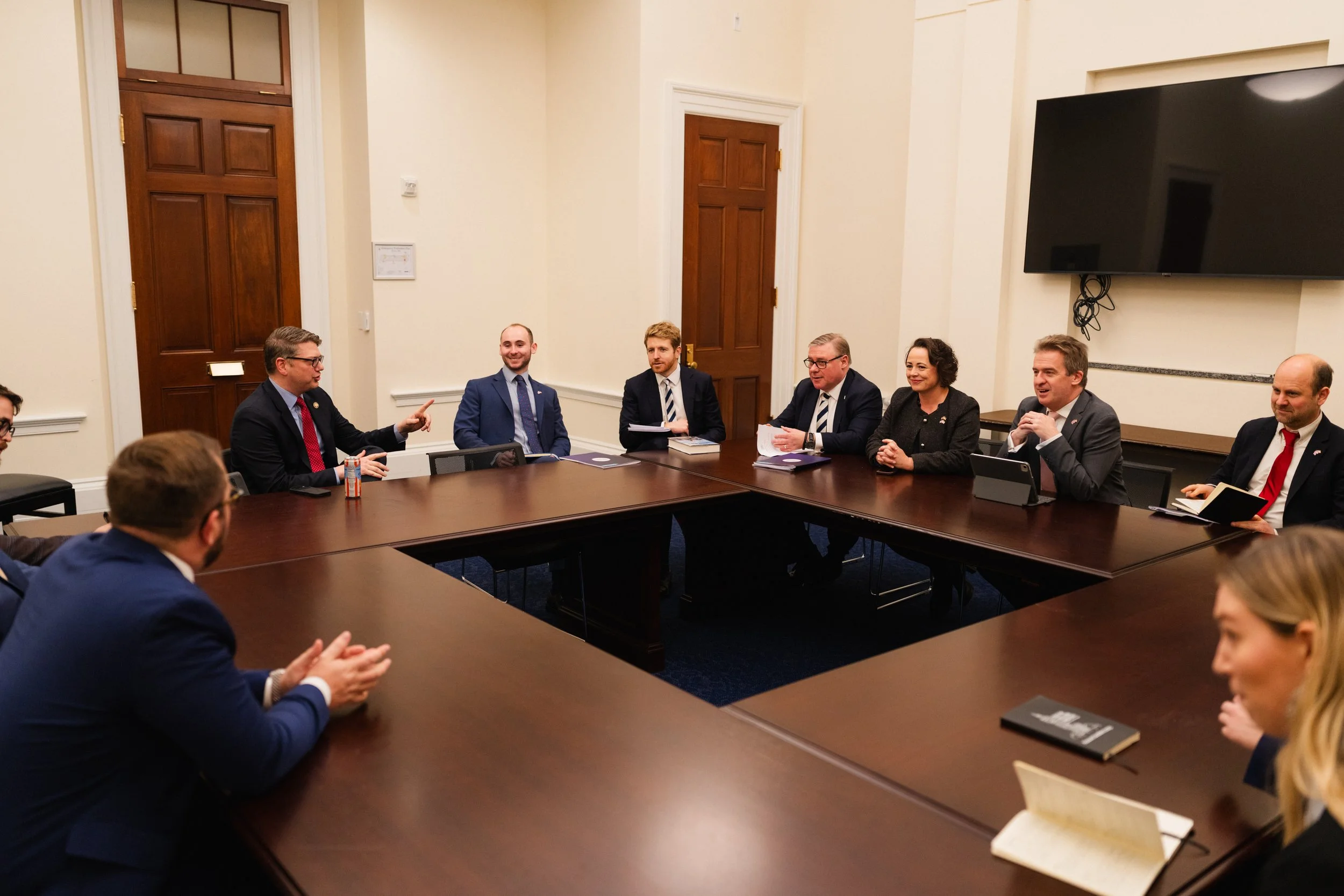
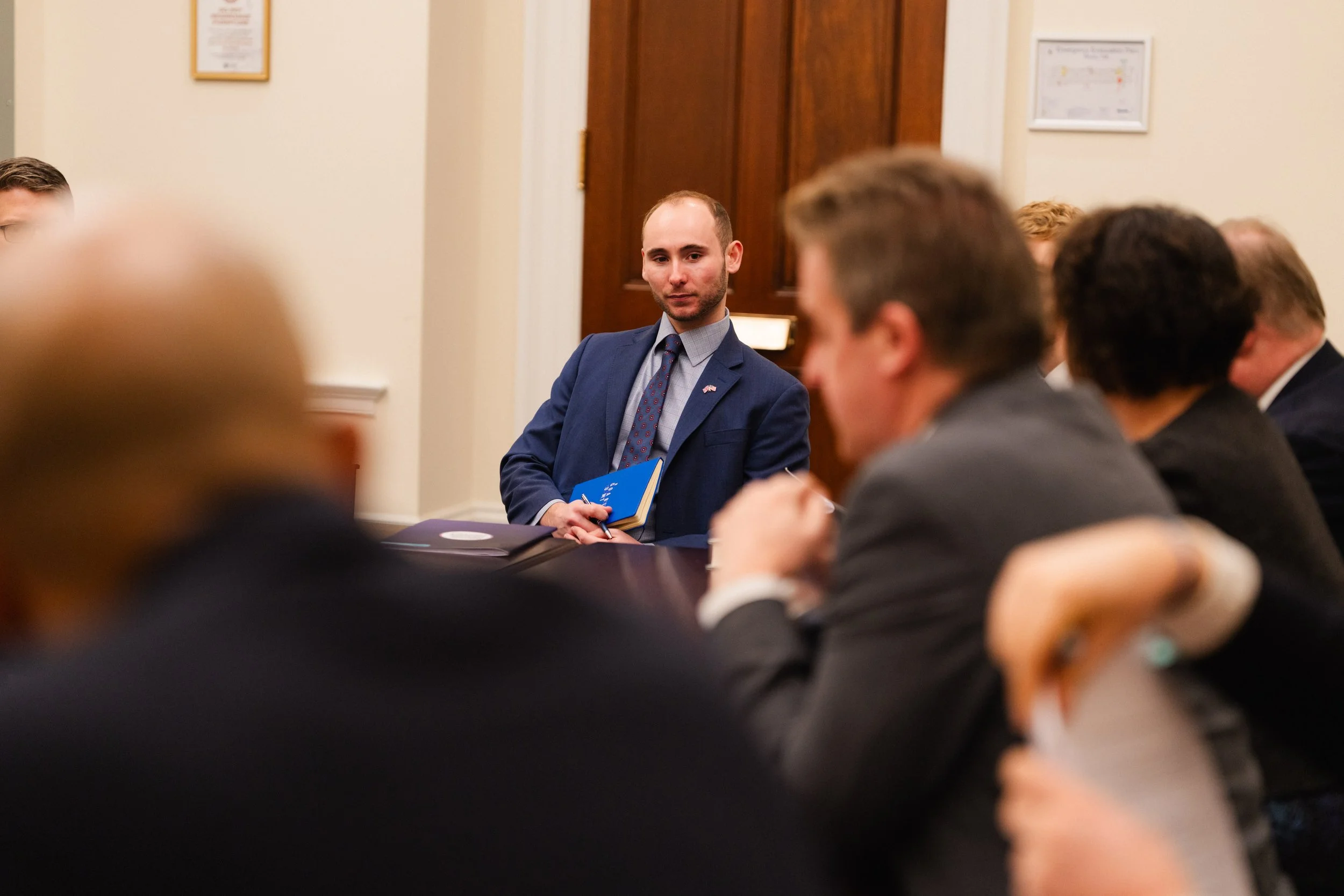
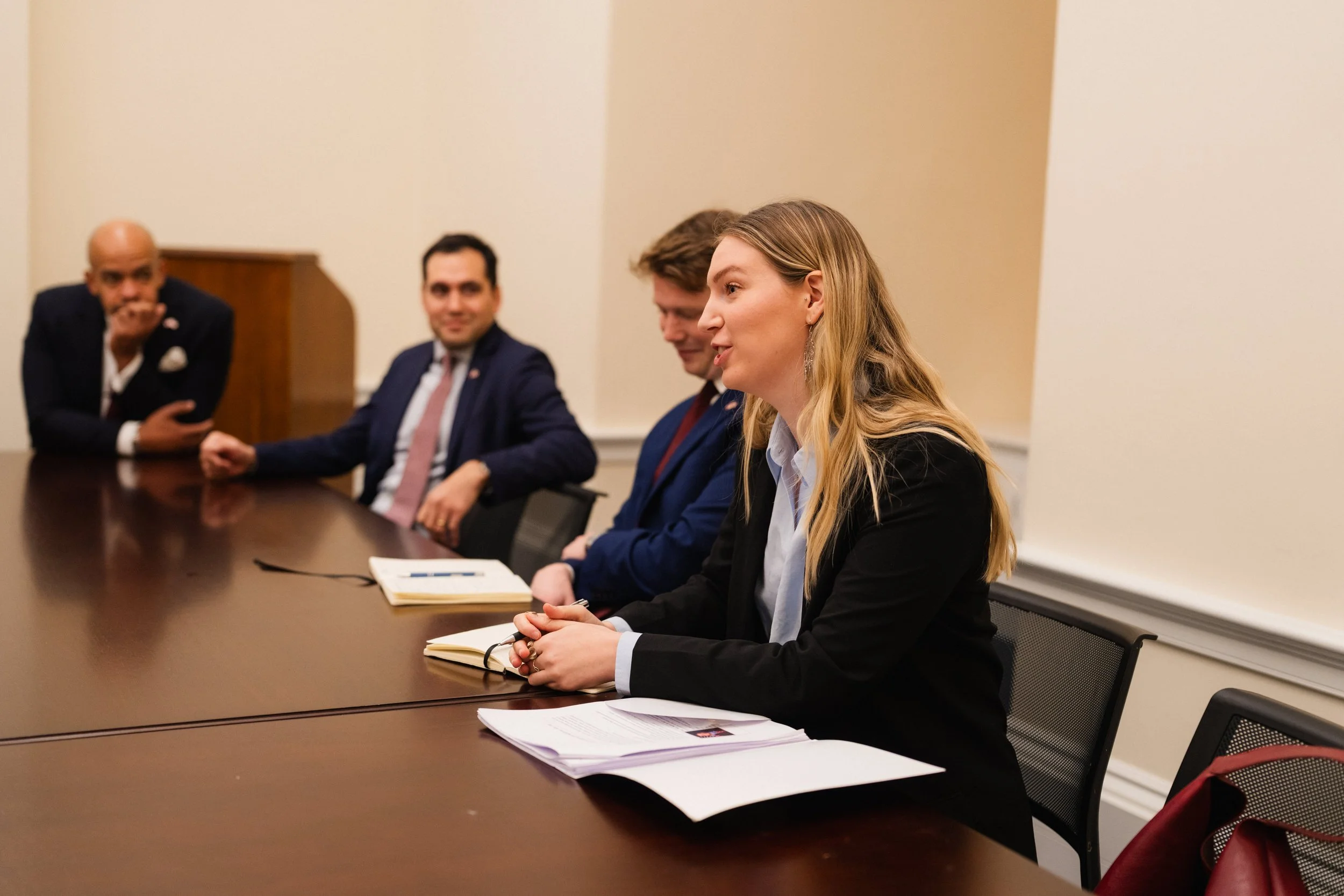
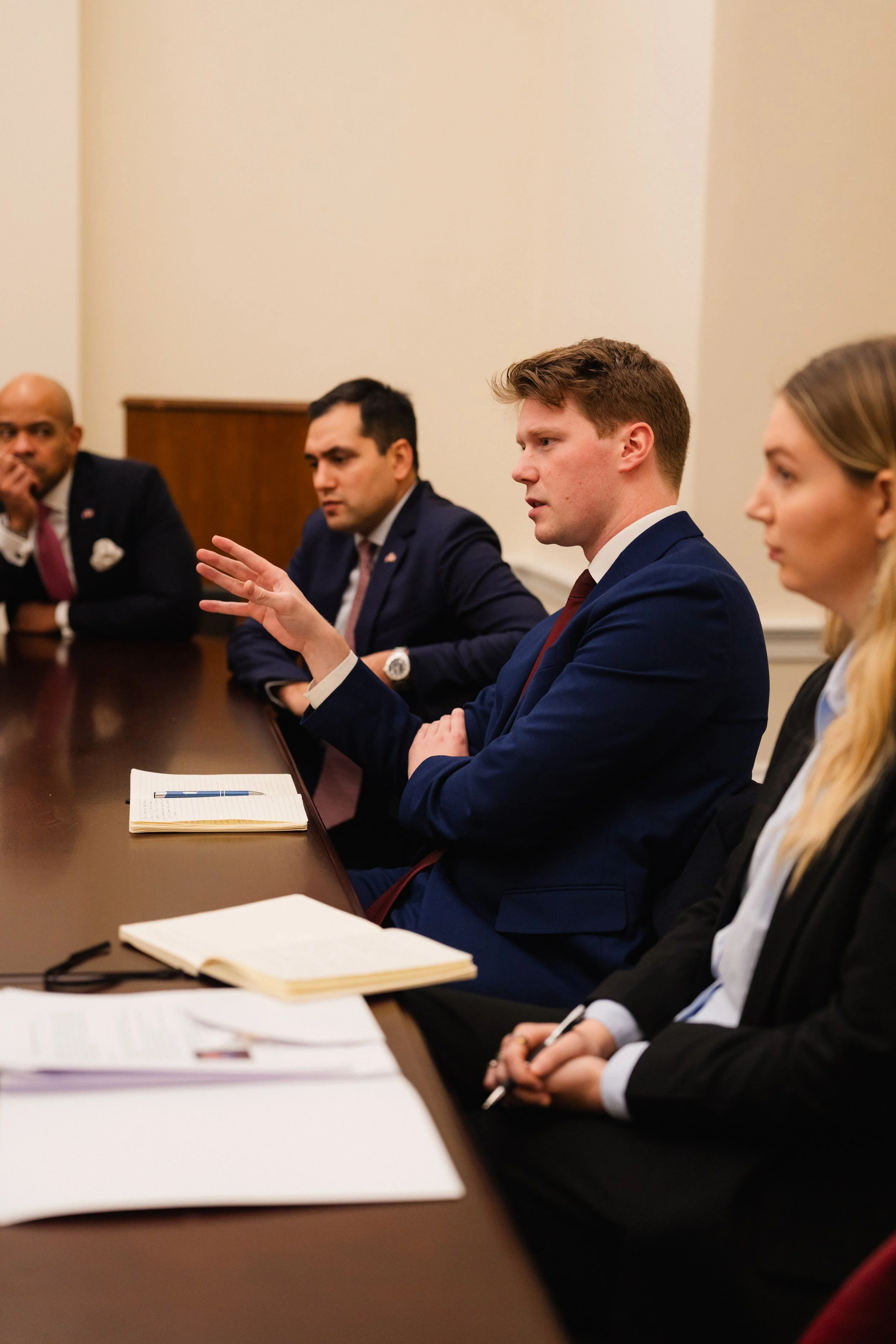
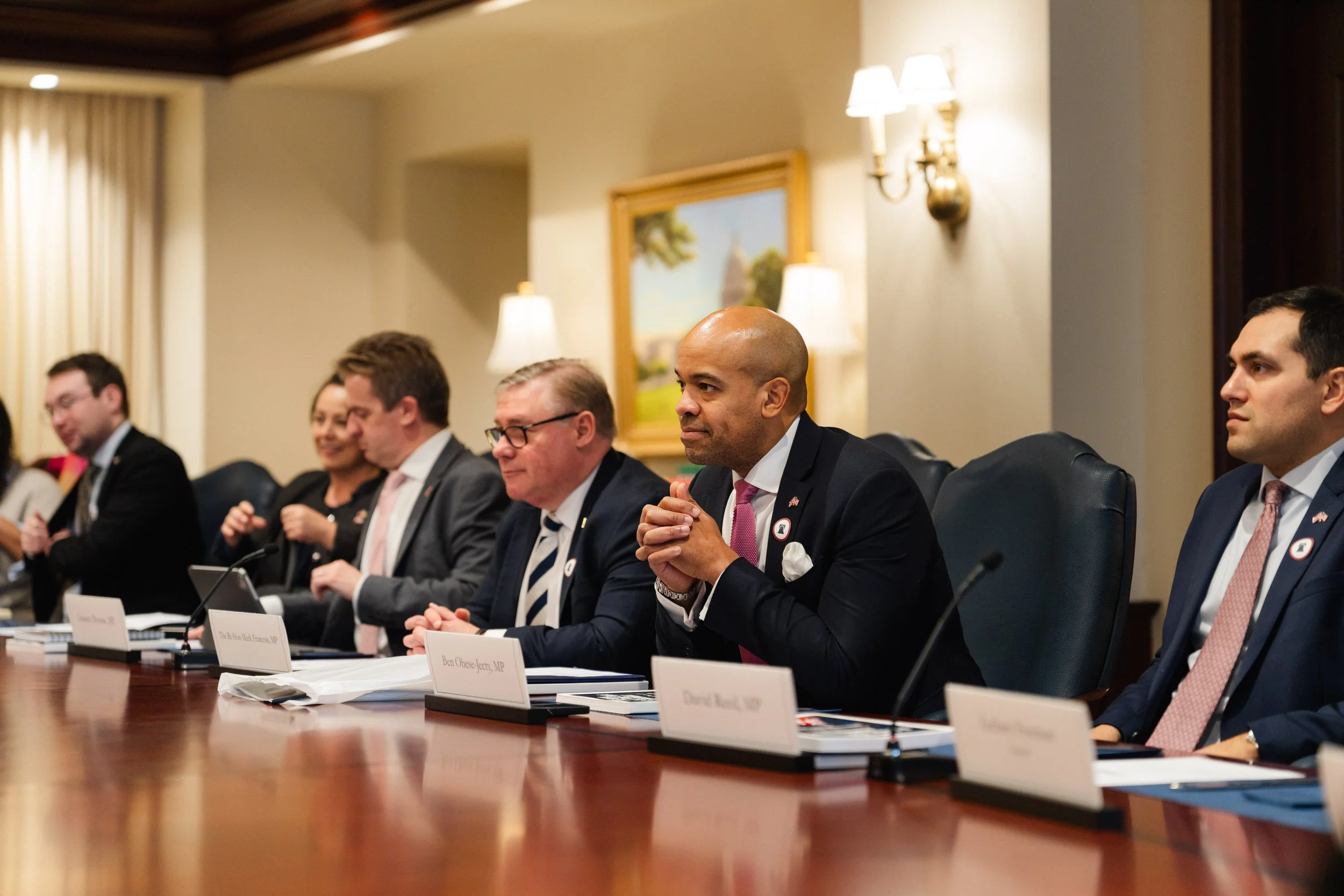
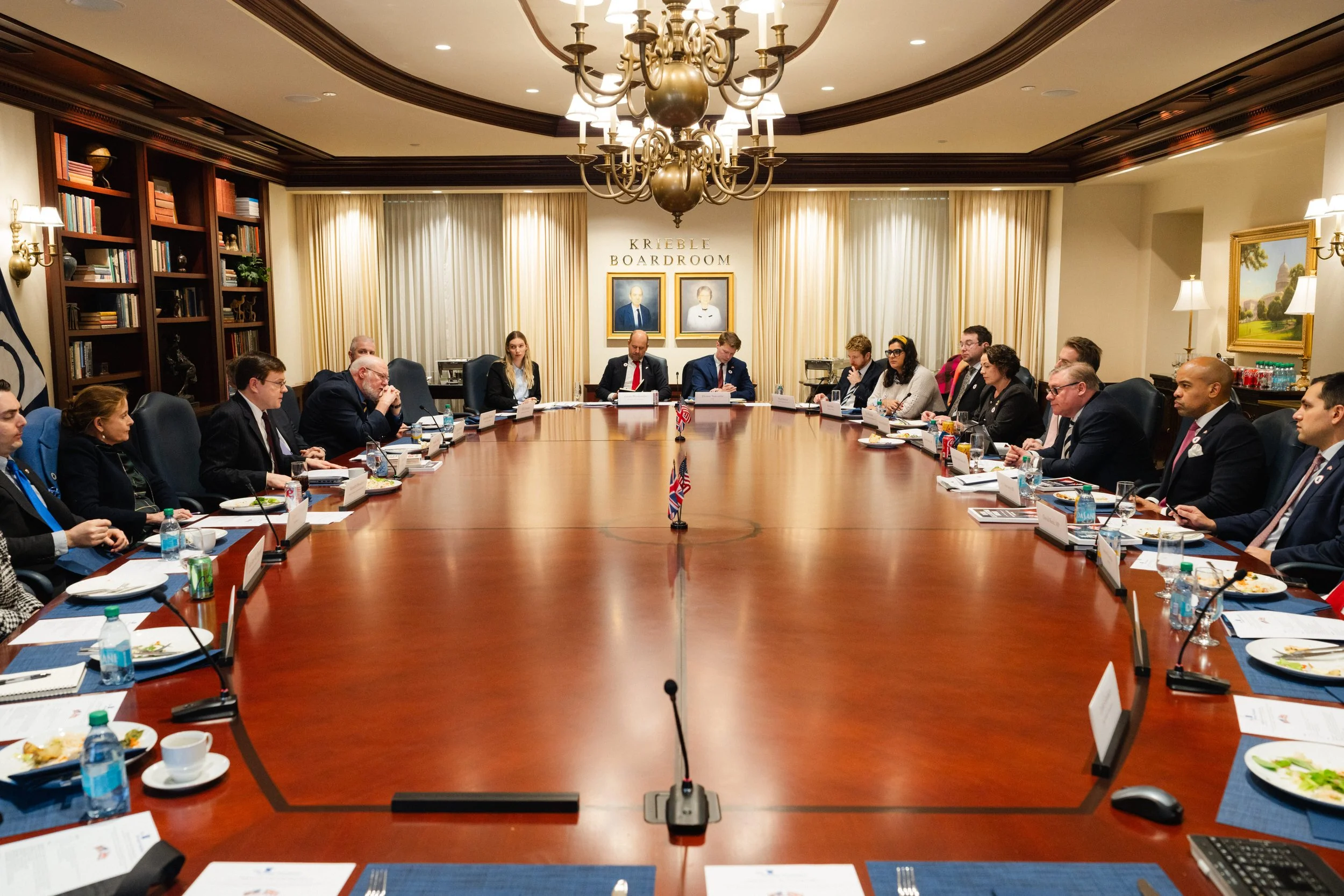
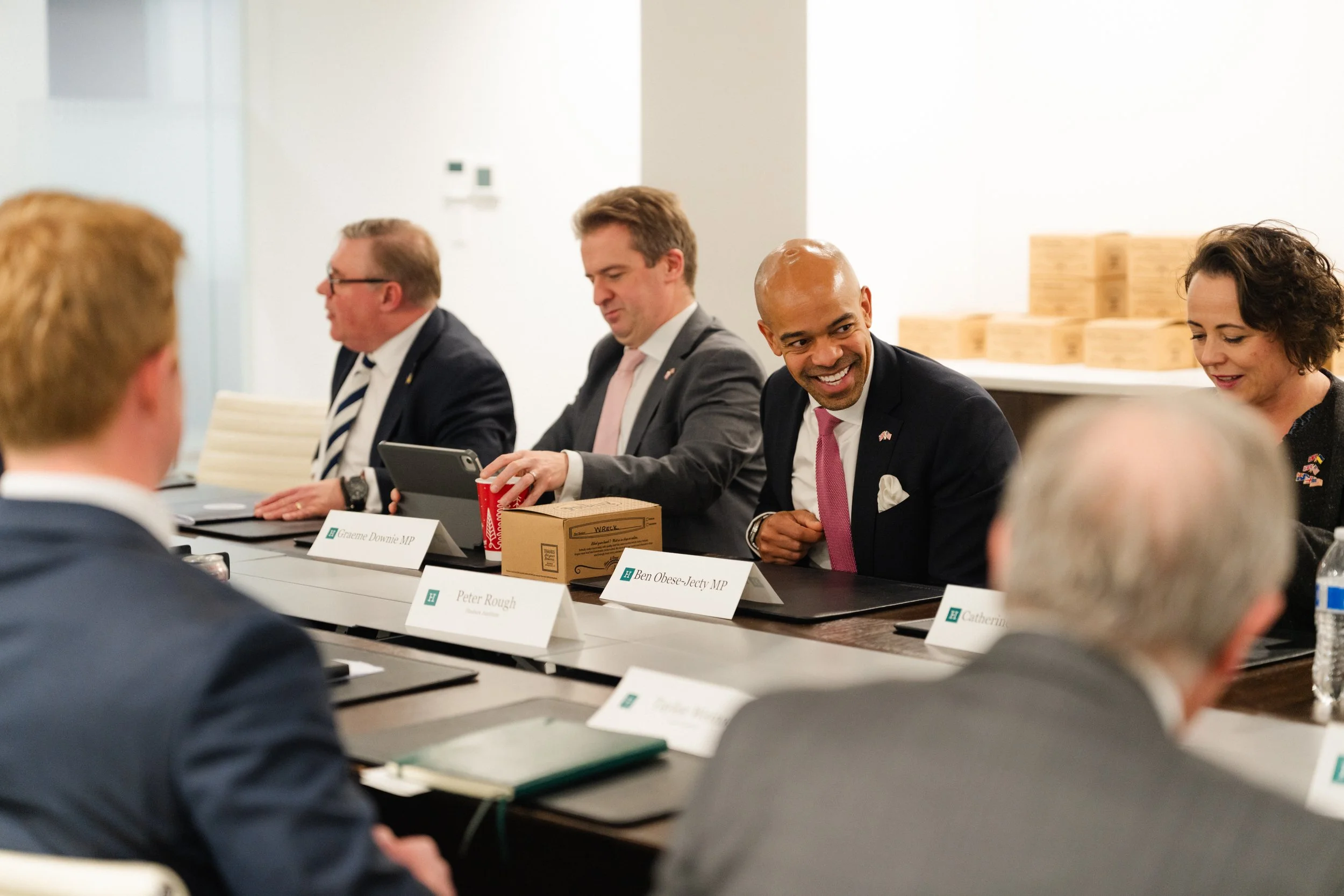
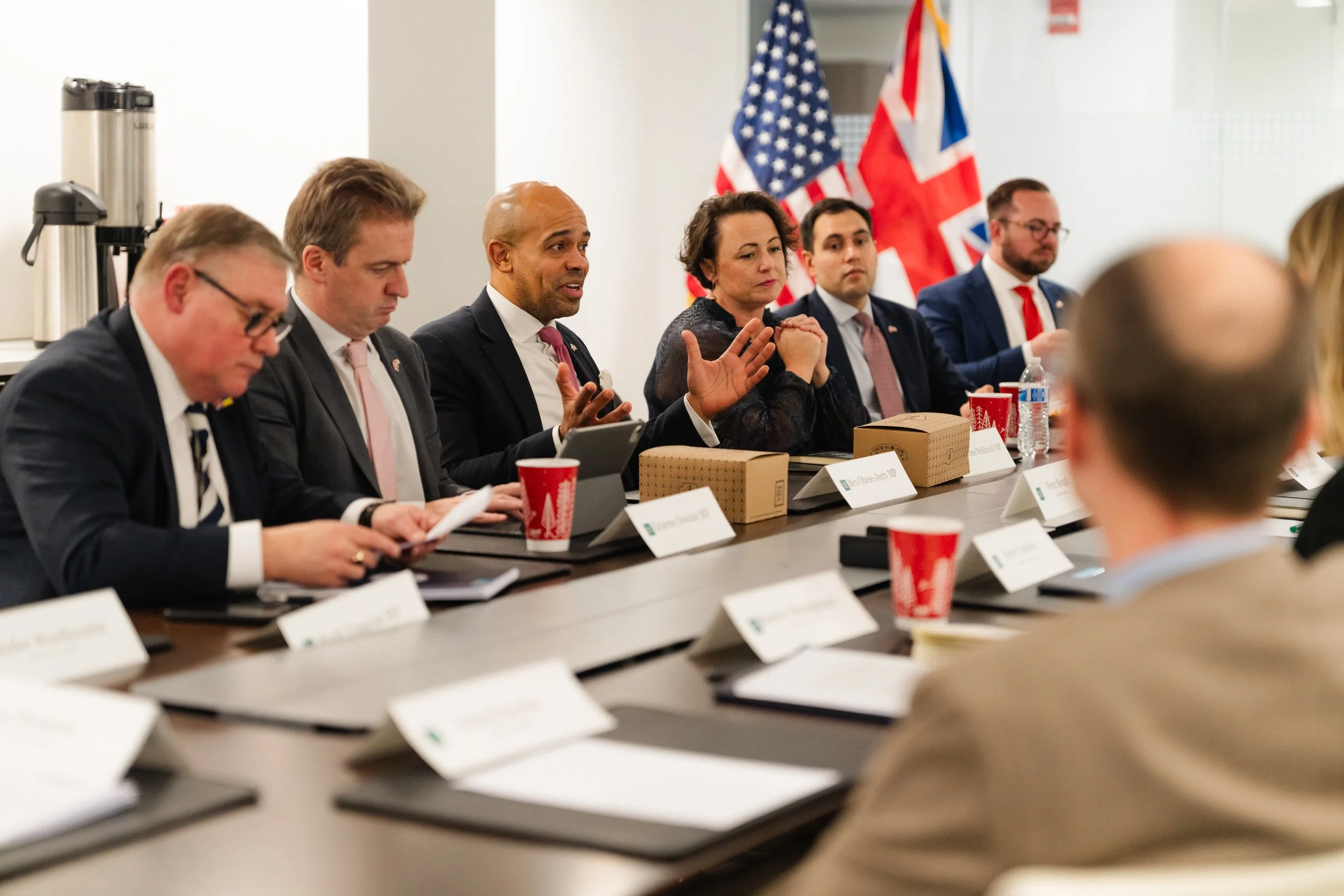
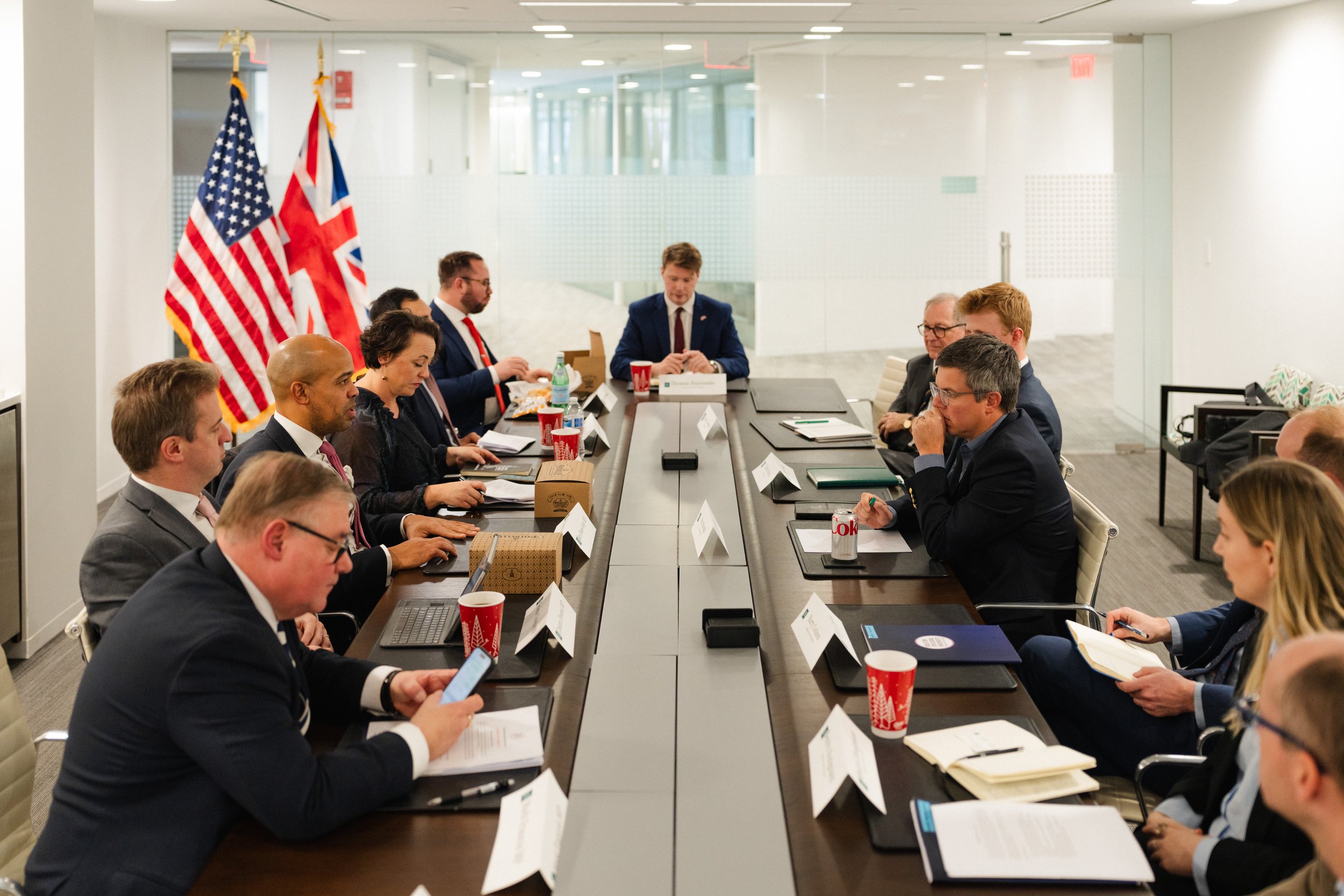
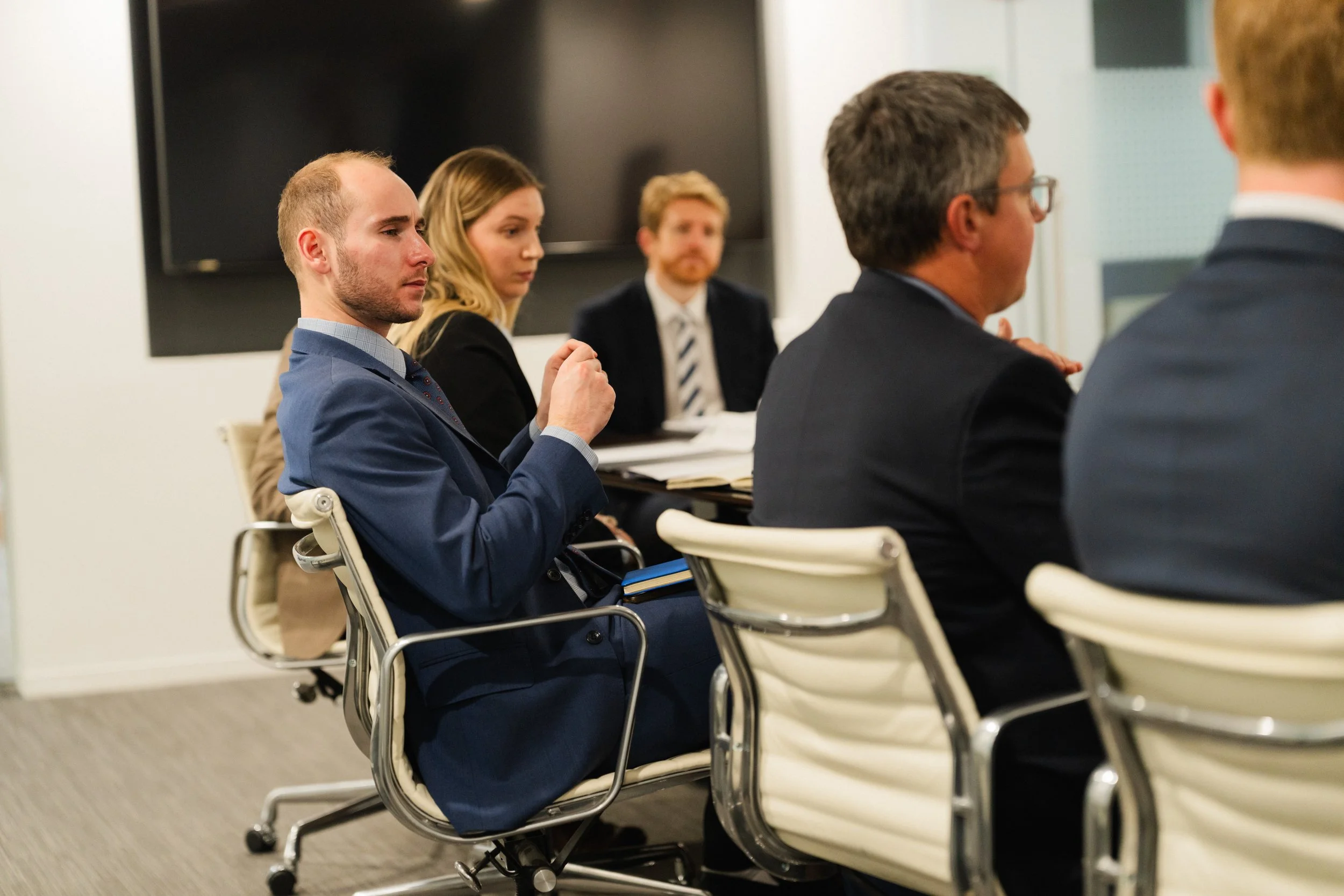
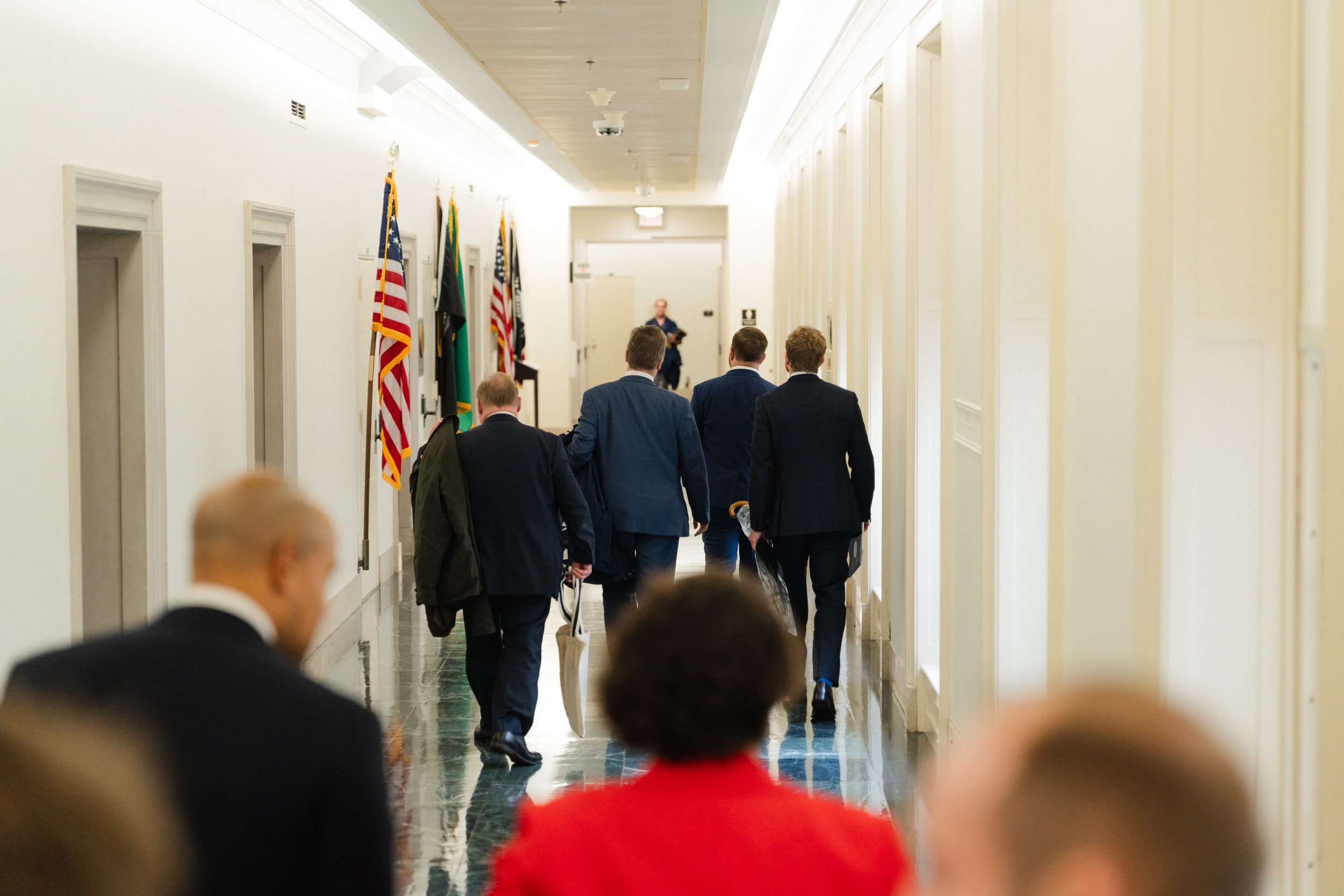
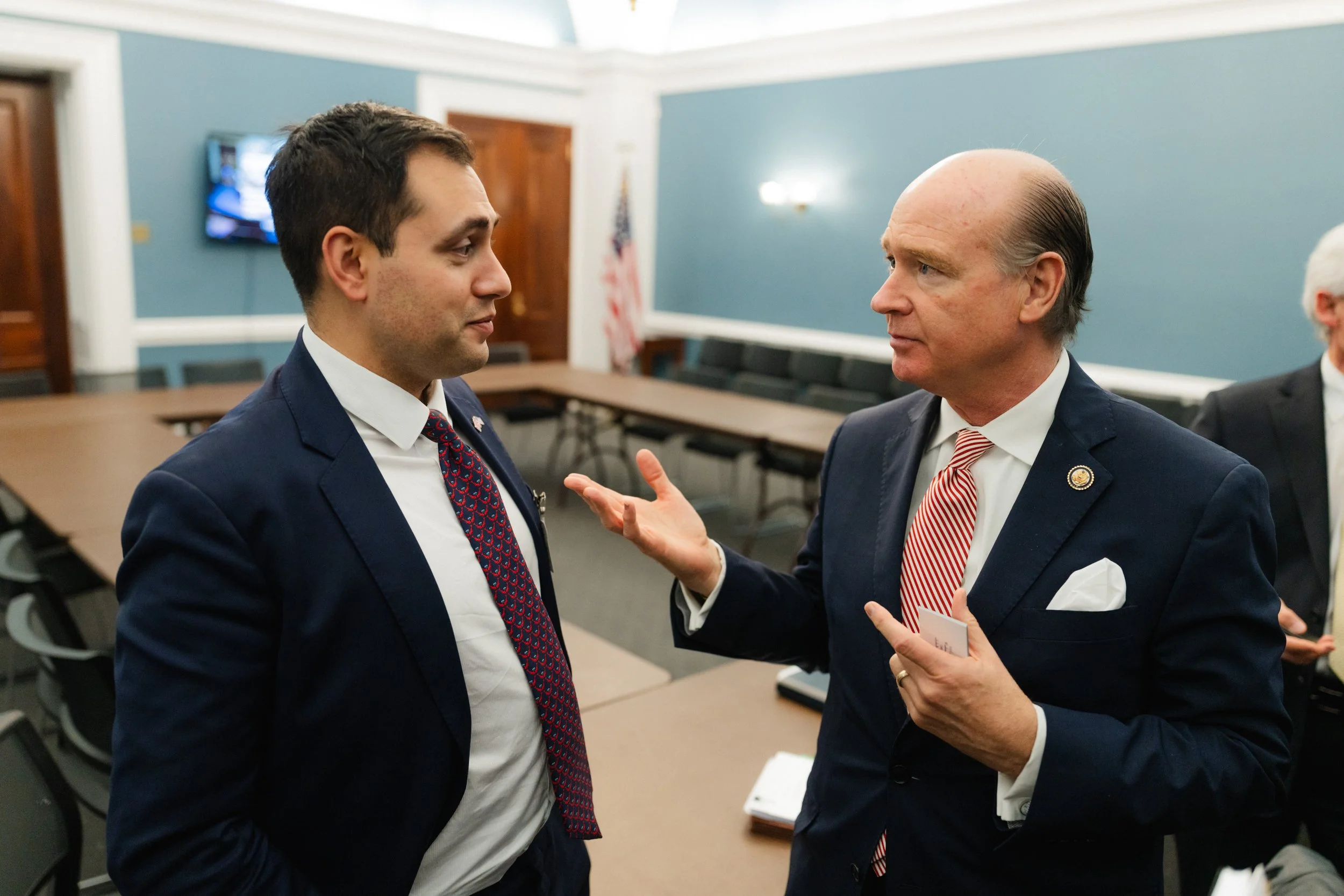
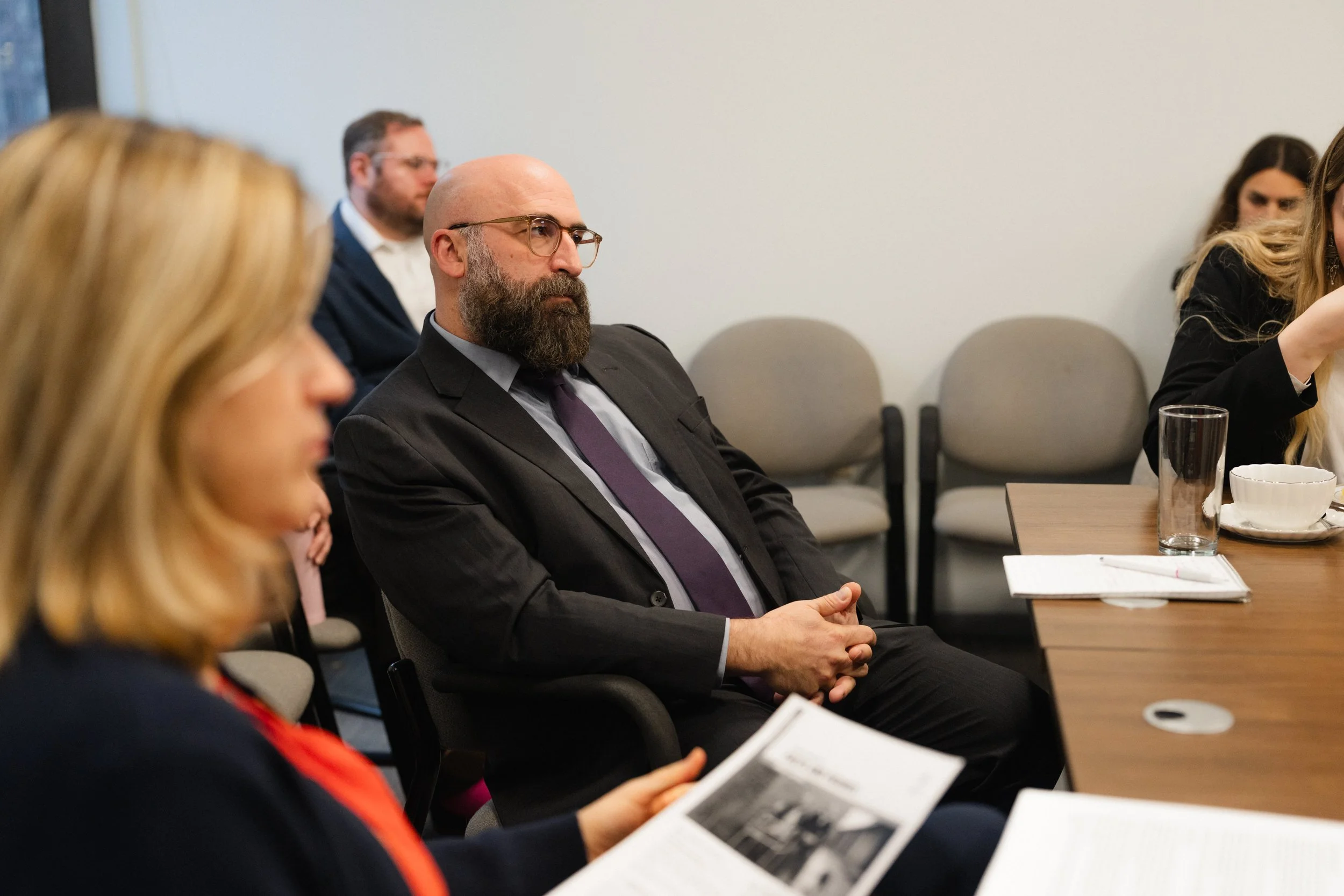
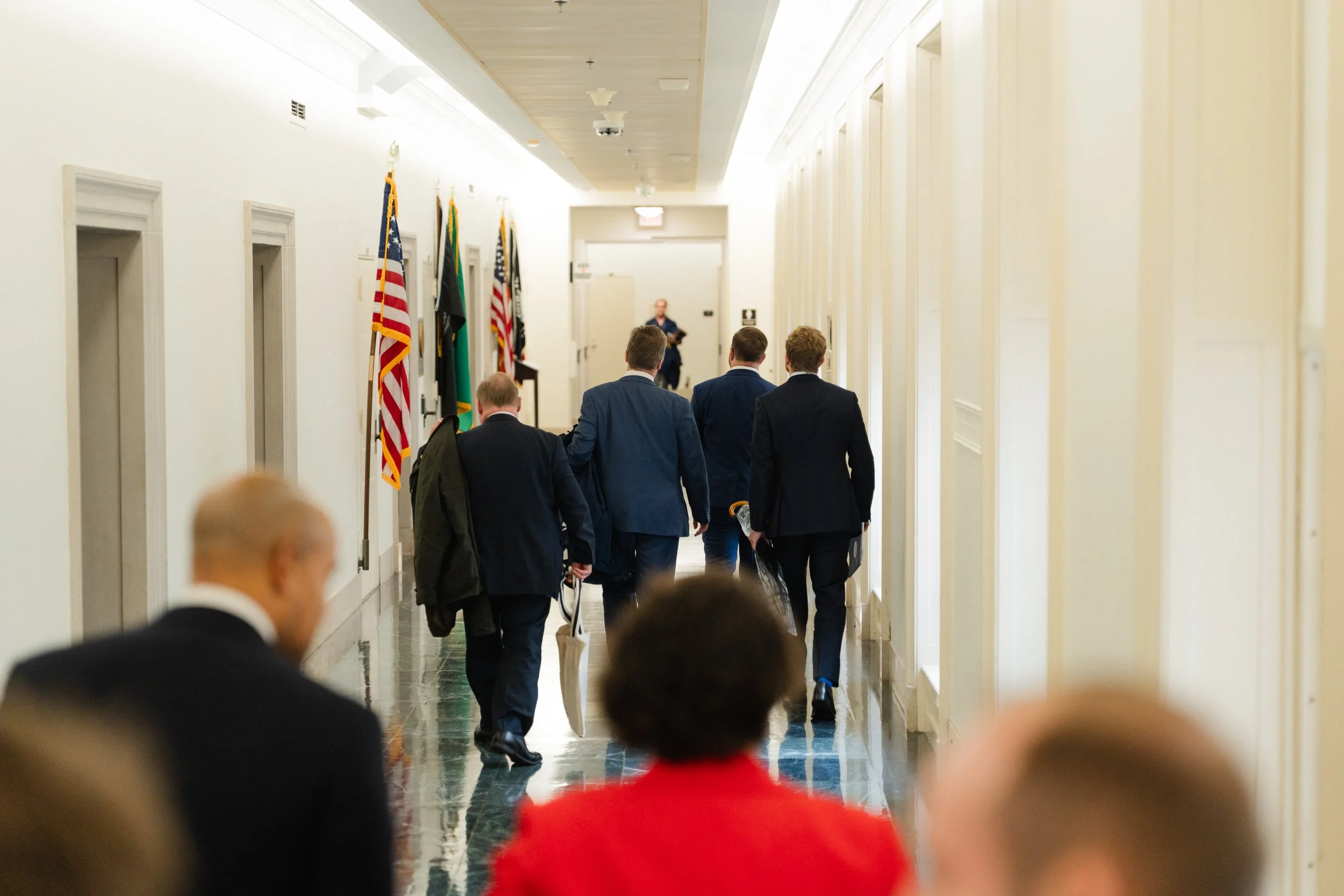
In December 2025, the Coalition for Global Prosperity facilitated a cross-party parliamentary delegation to Washington DC to explore the state of the special relationship today and its future in a new era of America First.
At a time of immense global upheaval, the deep and longstanding relationship between the United States and the United Kingdom has rarely been more important. The delegation sought to encourage constructive dialogue with the UK’s most important ally, deepen relations, and discuss policies that promote mutual security, prosperity and global leadership.
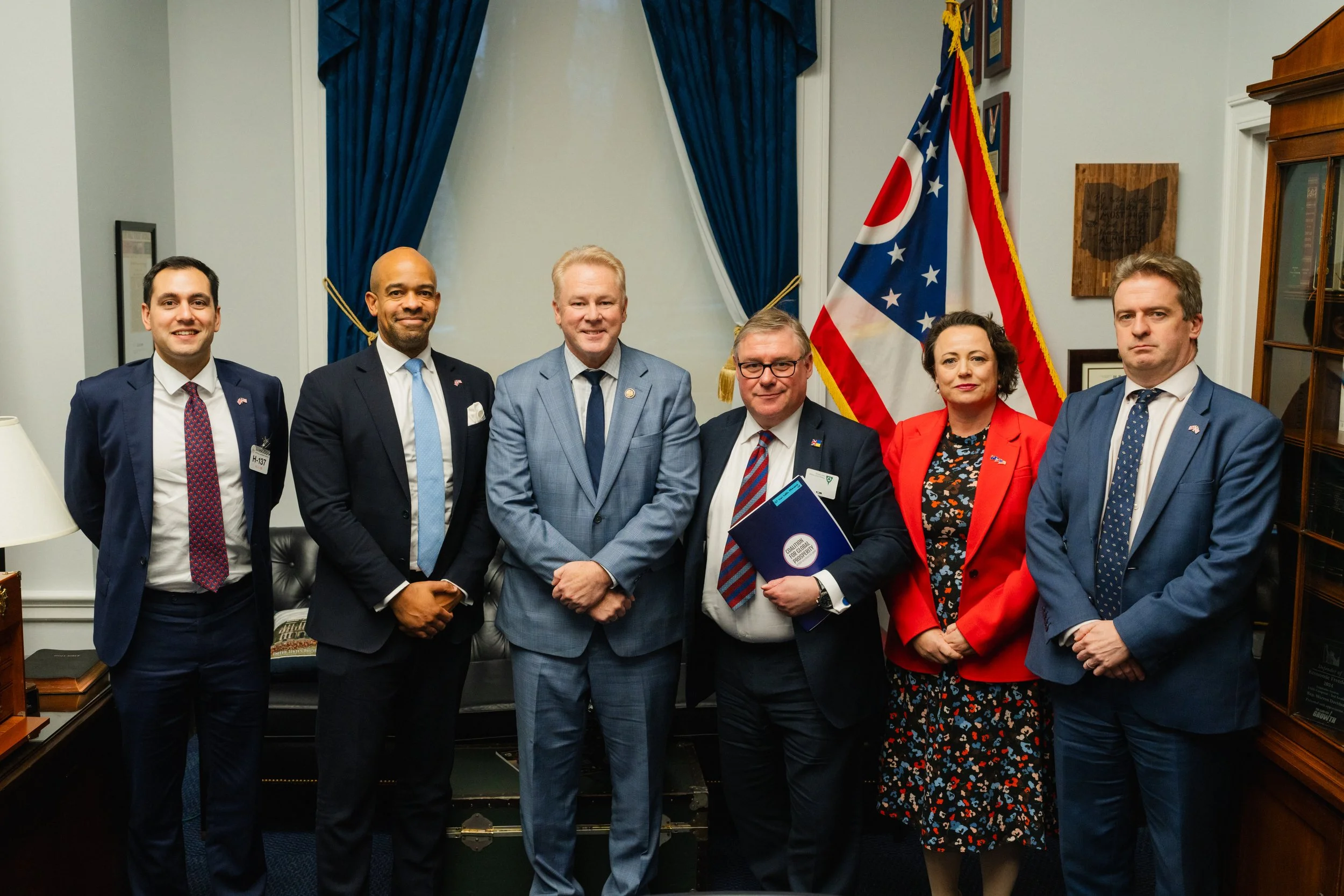
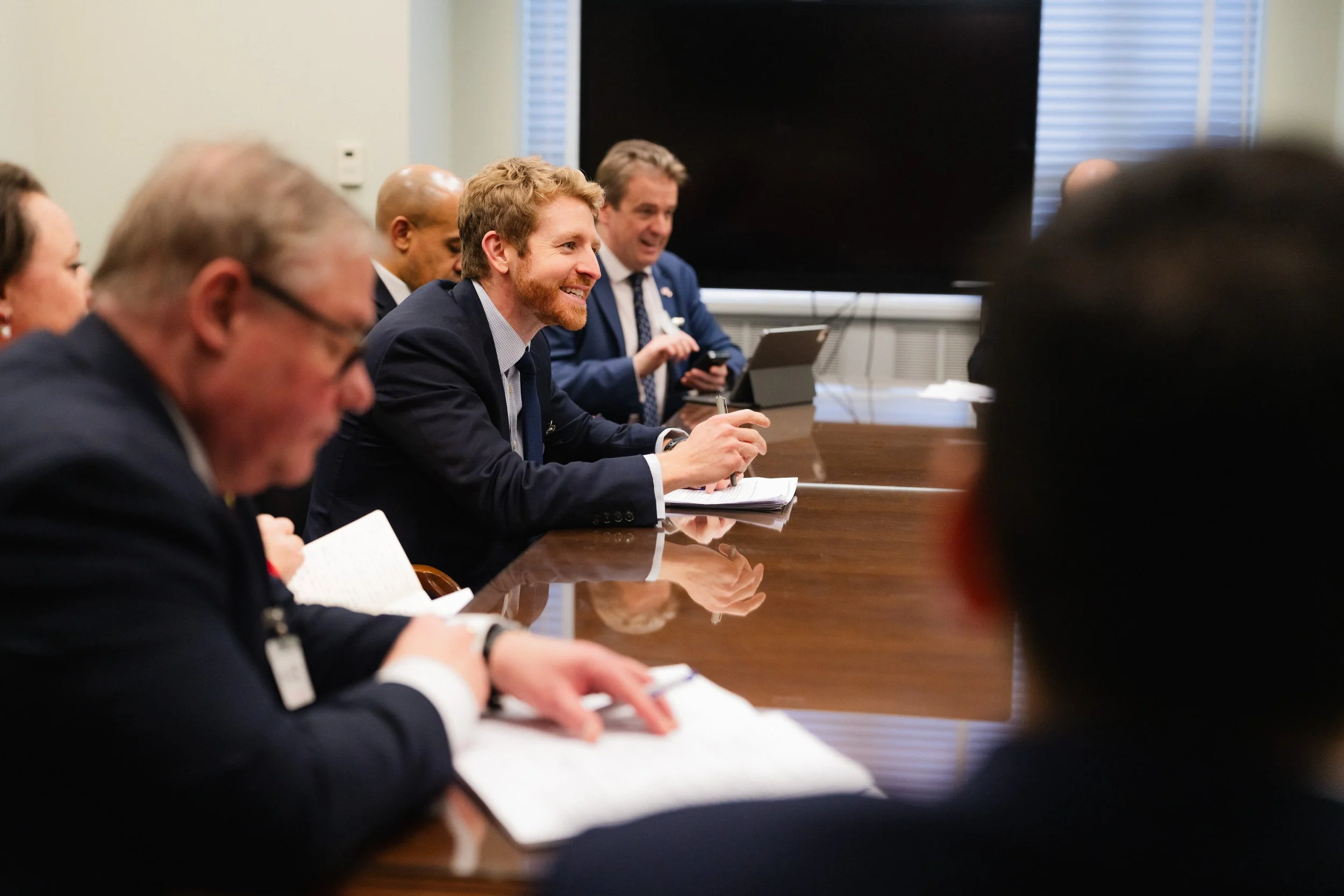
Across three days, the delegation - comprising five Members of Parliament, including three members of the shadow defence team - undertook a series of high-level engagements with Members of Congress, the State Department, British Embassy and World Bank, as well as a number of think tanks and NGOs.
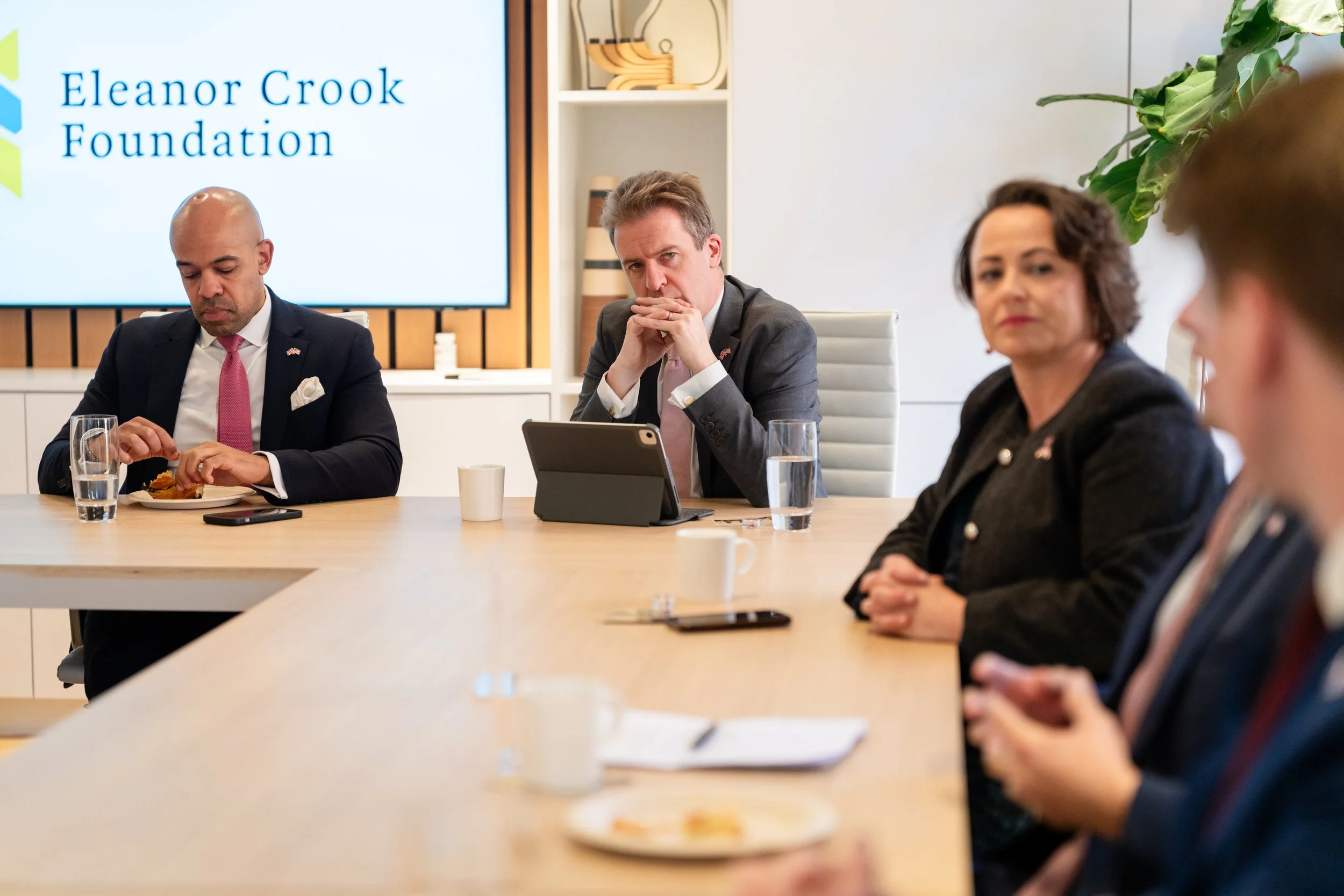
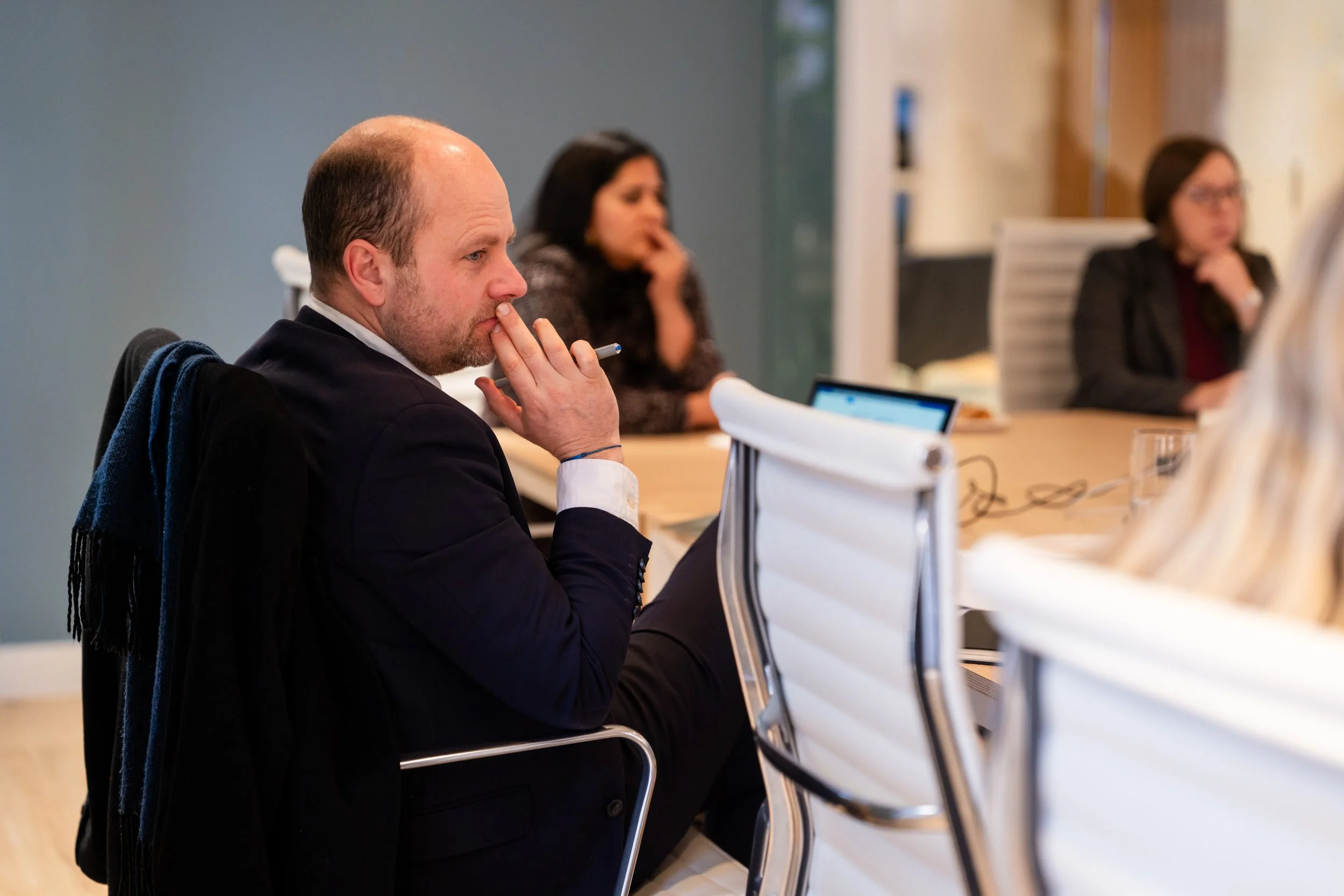
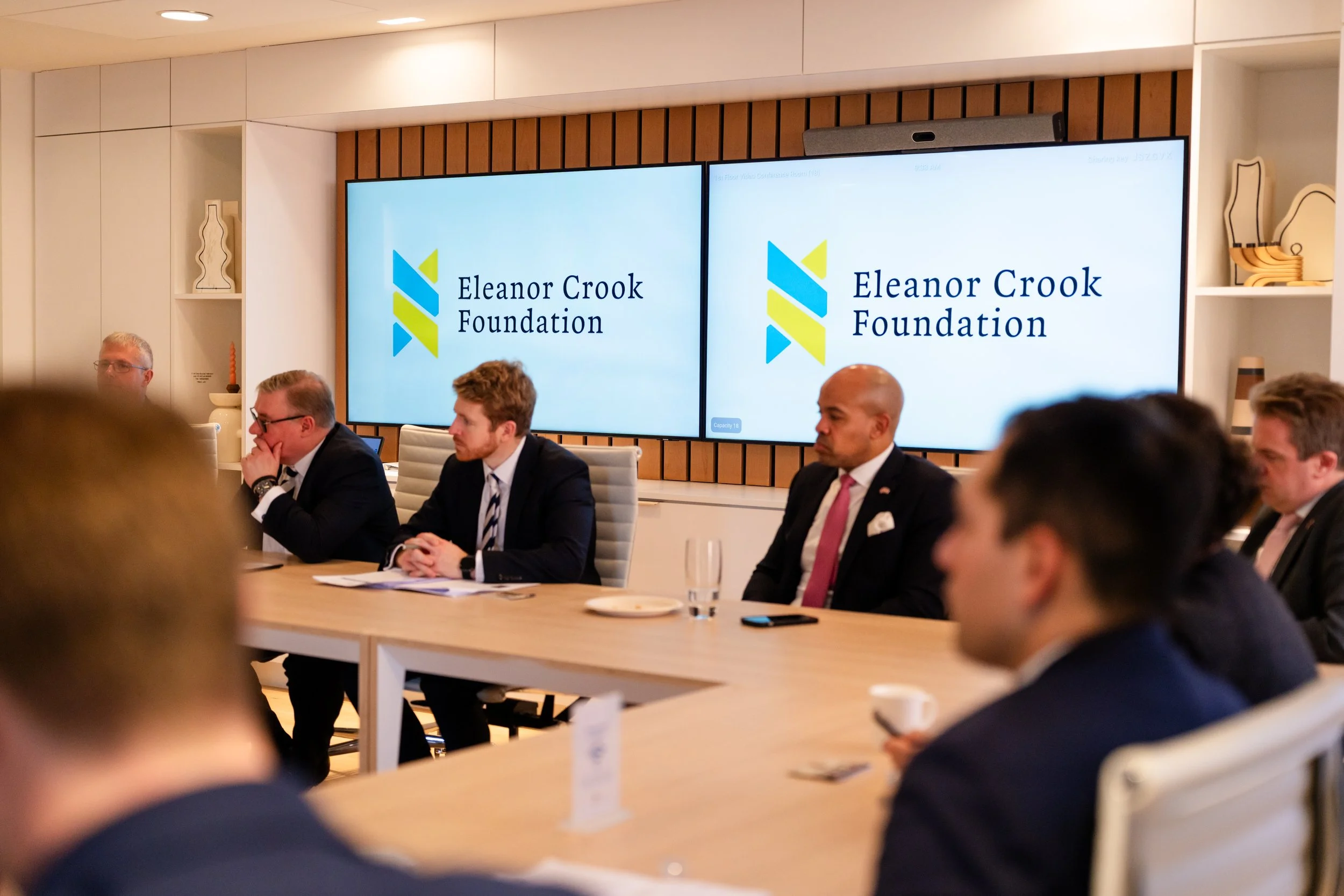
The Parliamentarians, Rt Hon Mark Francois MP, Catherine McKinnell MP, David Reed MP, Ben Obese-Jecty MP and Graeme Downie MP, began their visit at the headquarters of the Eleanor Crook Foundation. They learned about the exacerbating effect malnutrition has on global health challenges, particularly amongst children, and the impact this has on regional and global stability. Joined by experts from Helen Keller International and the Kyle House Group, the delegation discussed efforts to galvanise support globally to counter extreme malnutrition, scalable solutions like Ready-to-Use Therapeutic Food (RUTF), and the impact childhood malnutrition has on national security and economic resilience.
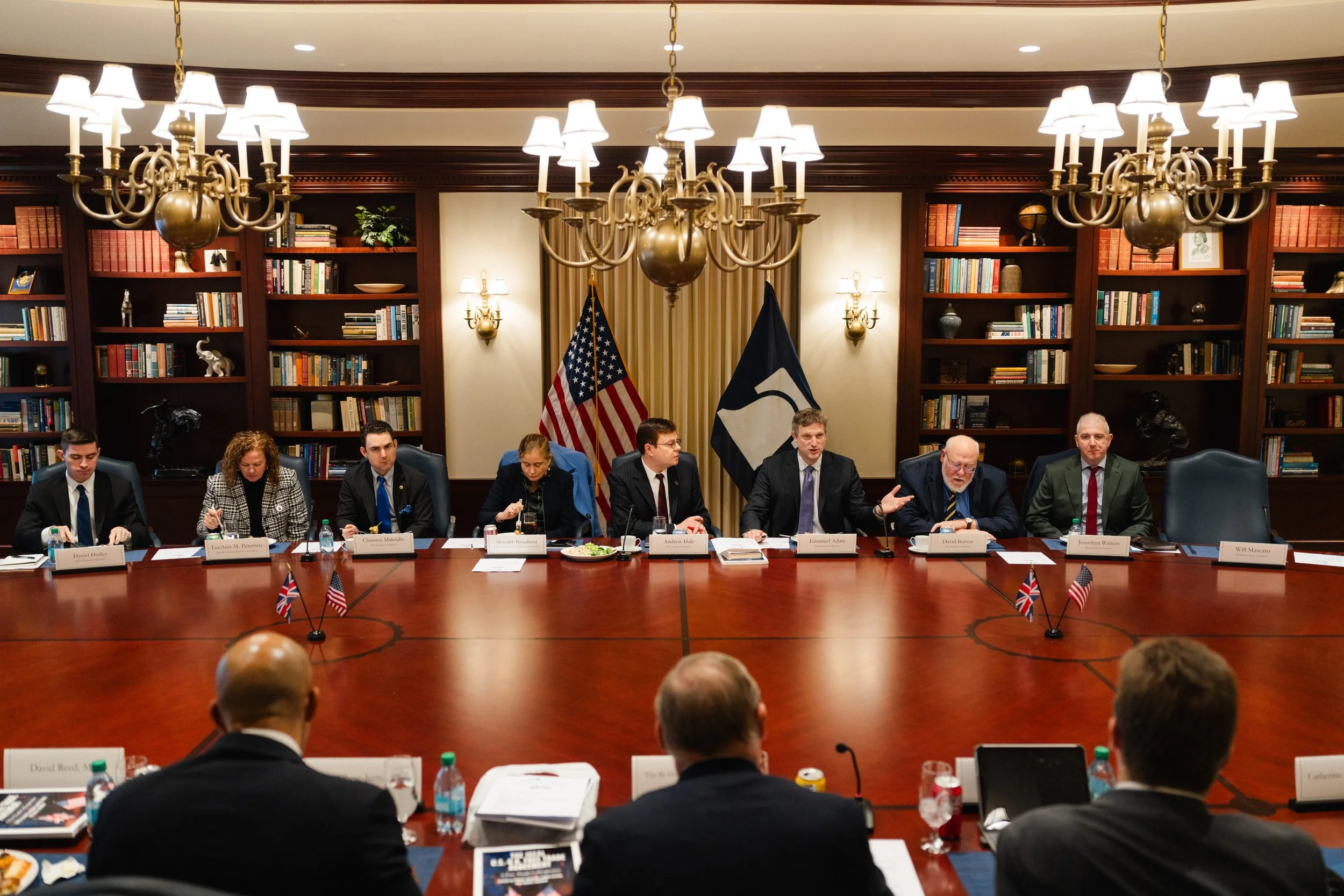
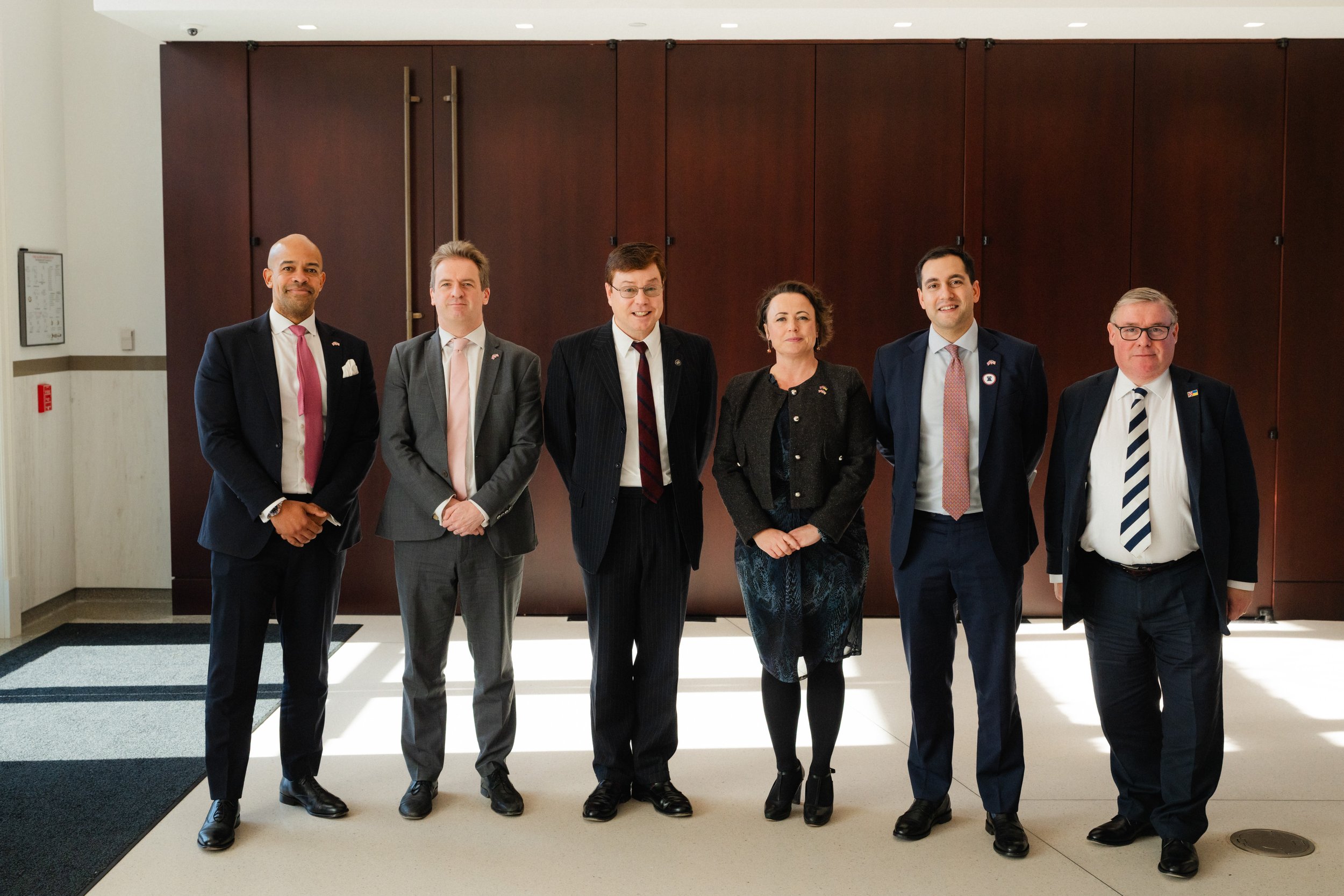
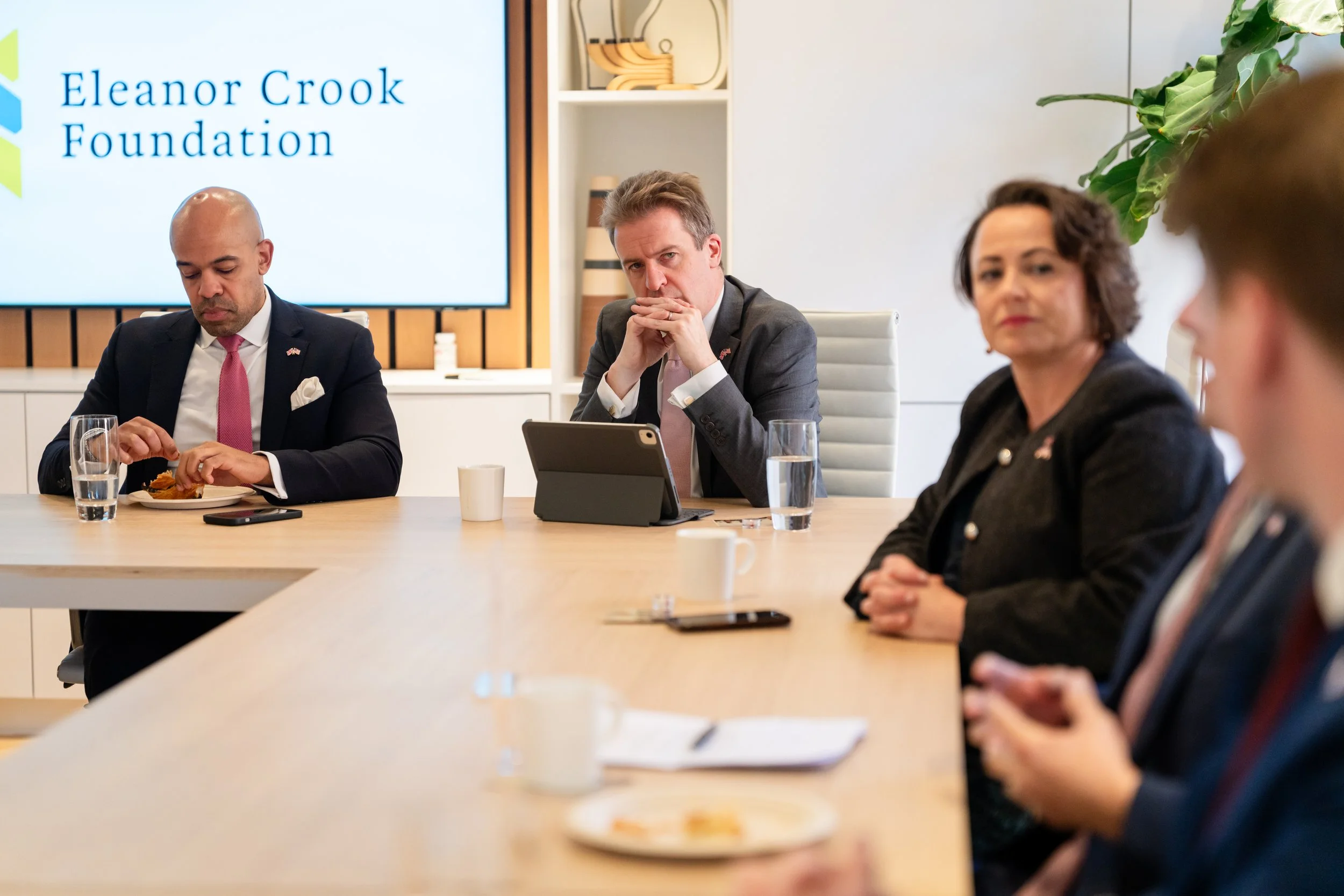
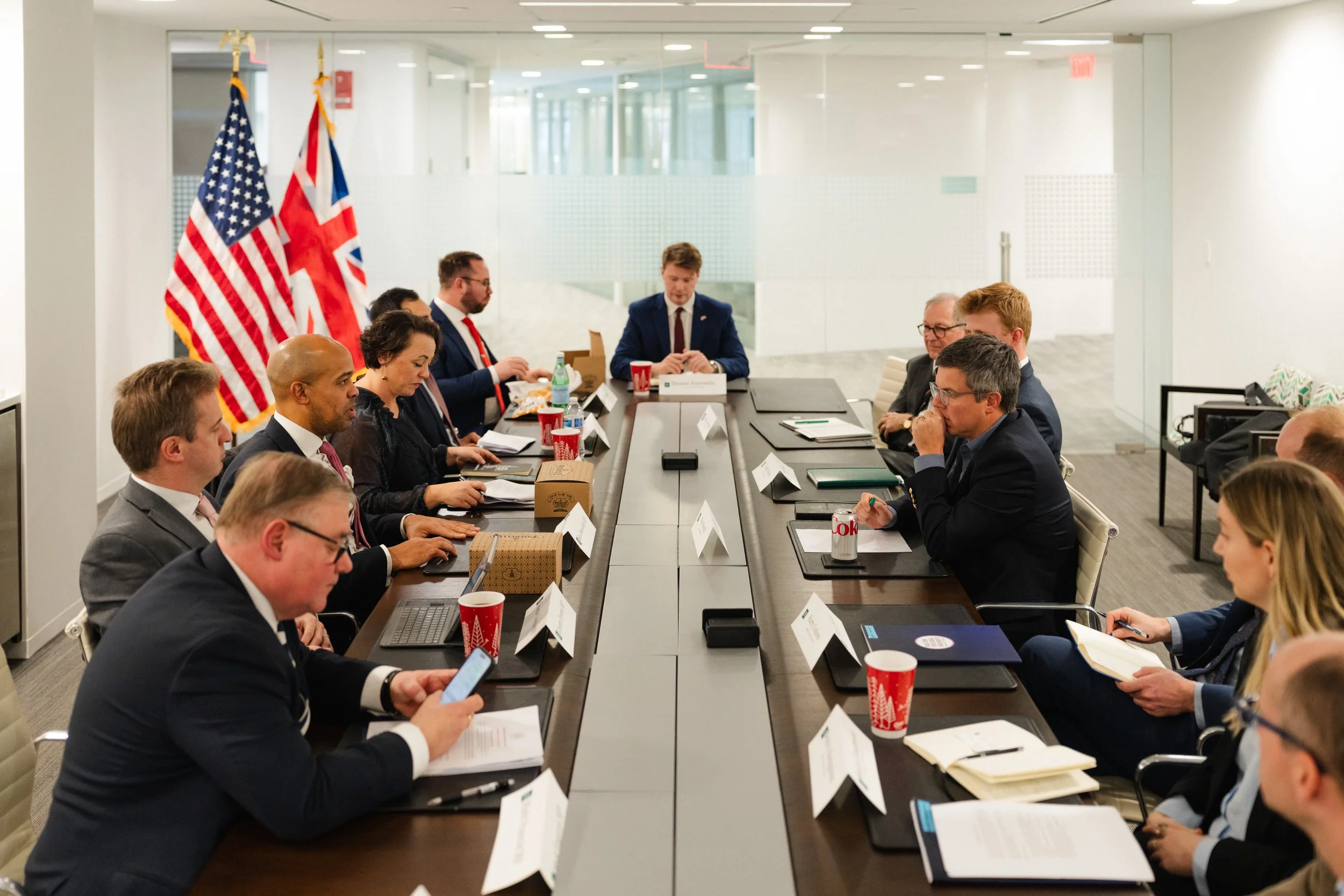
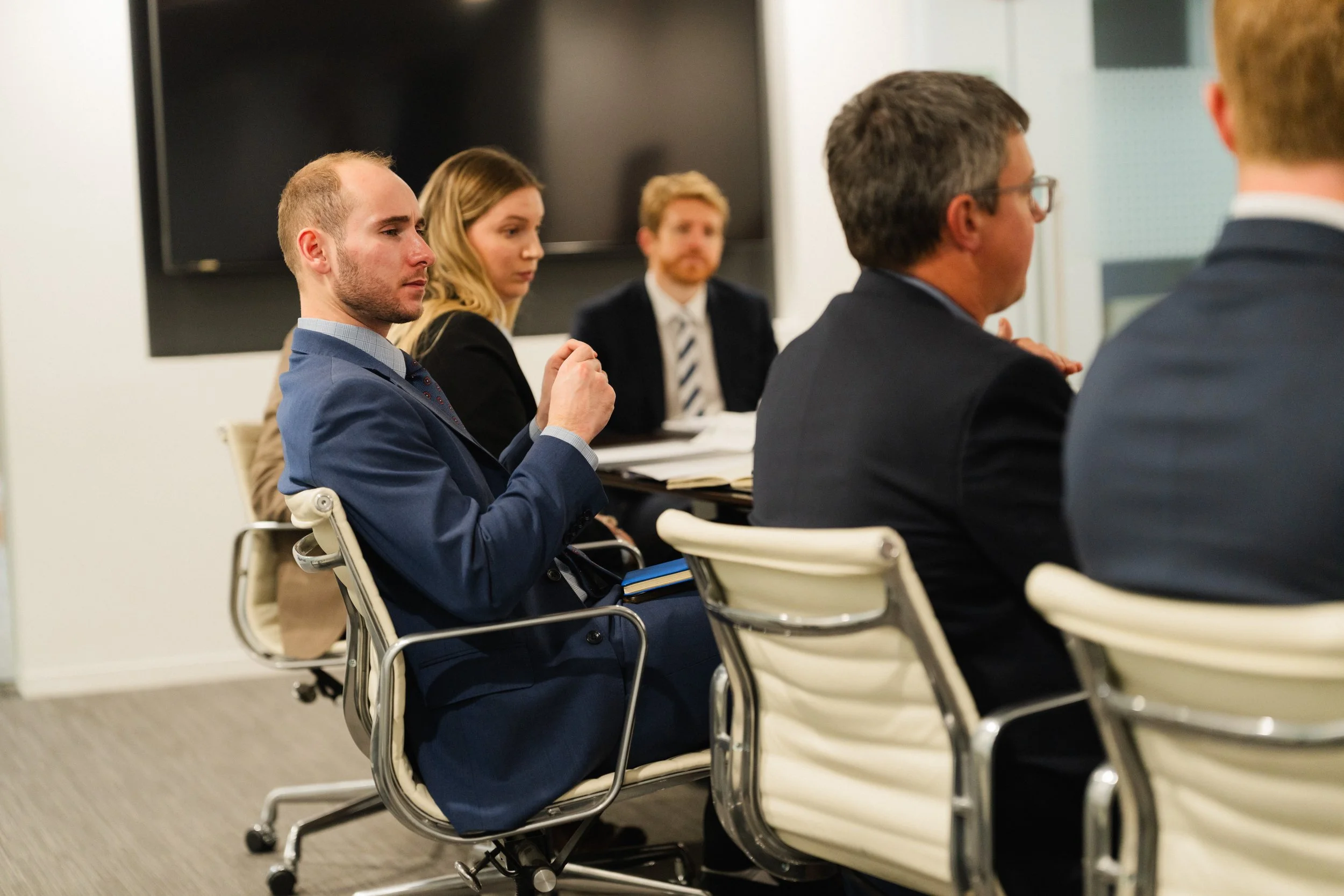
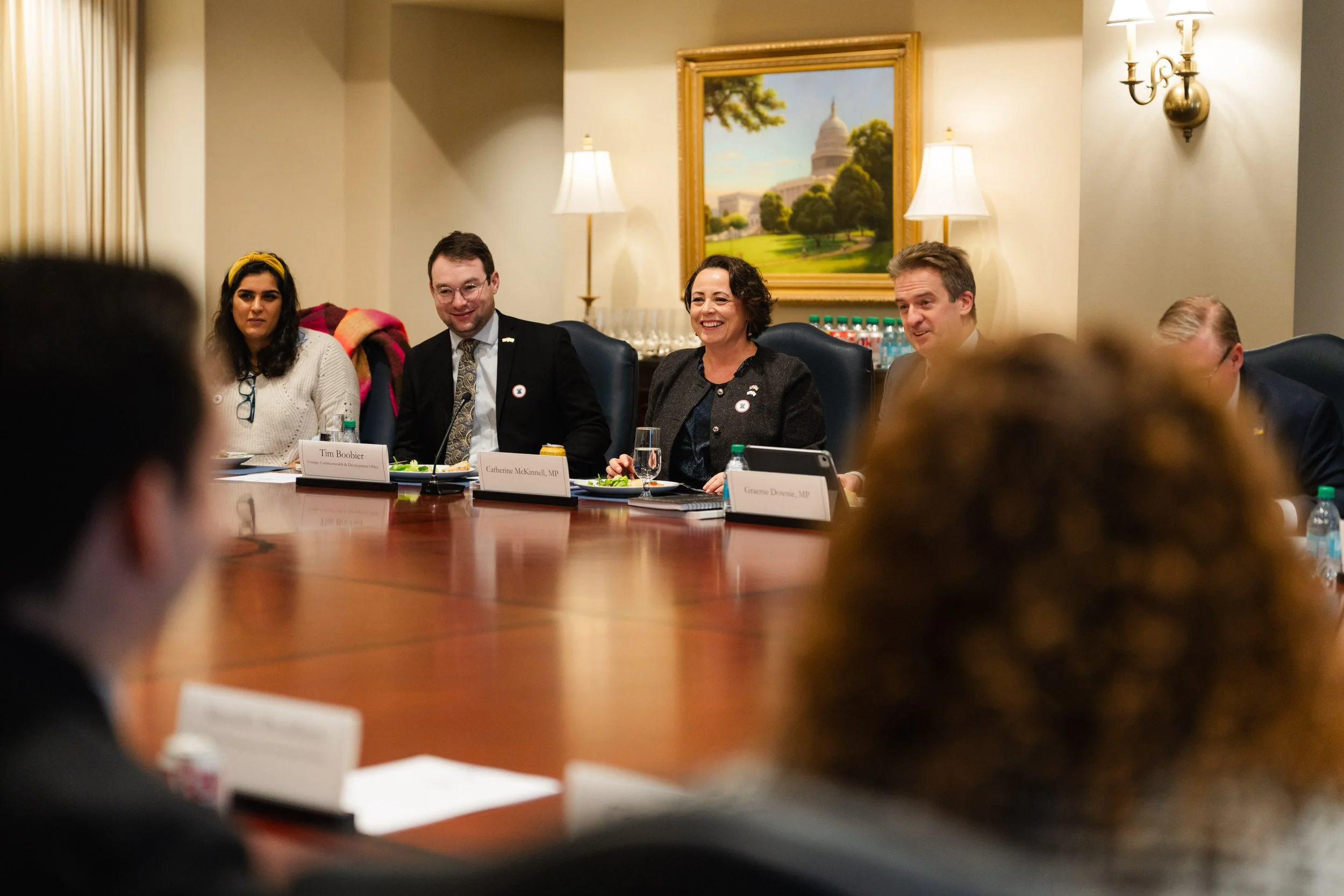
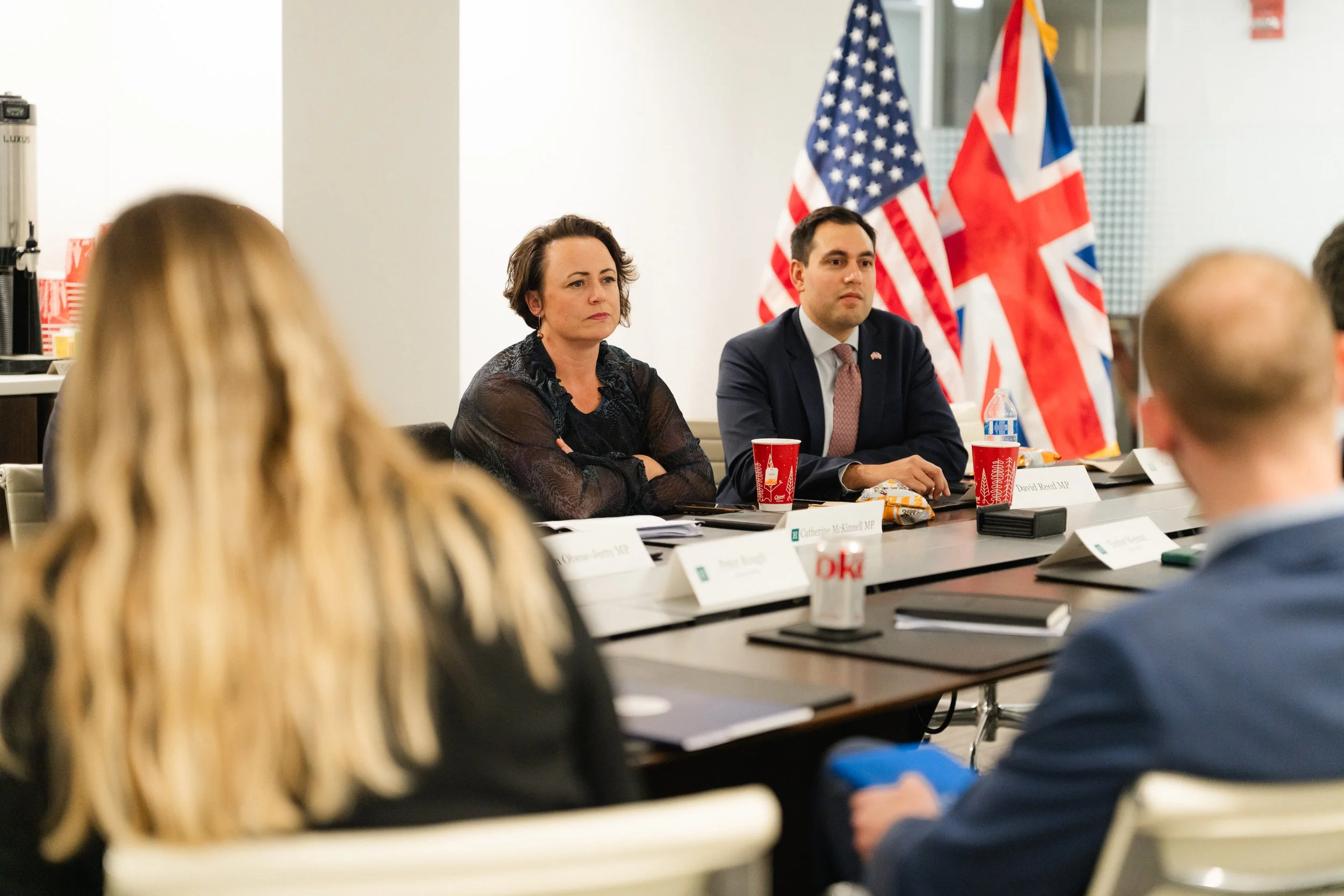
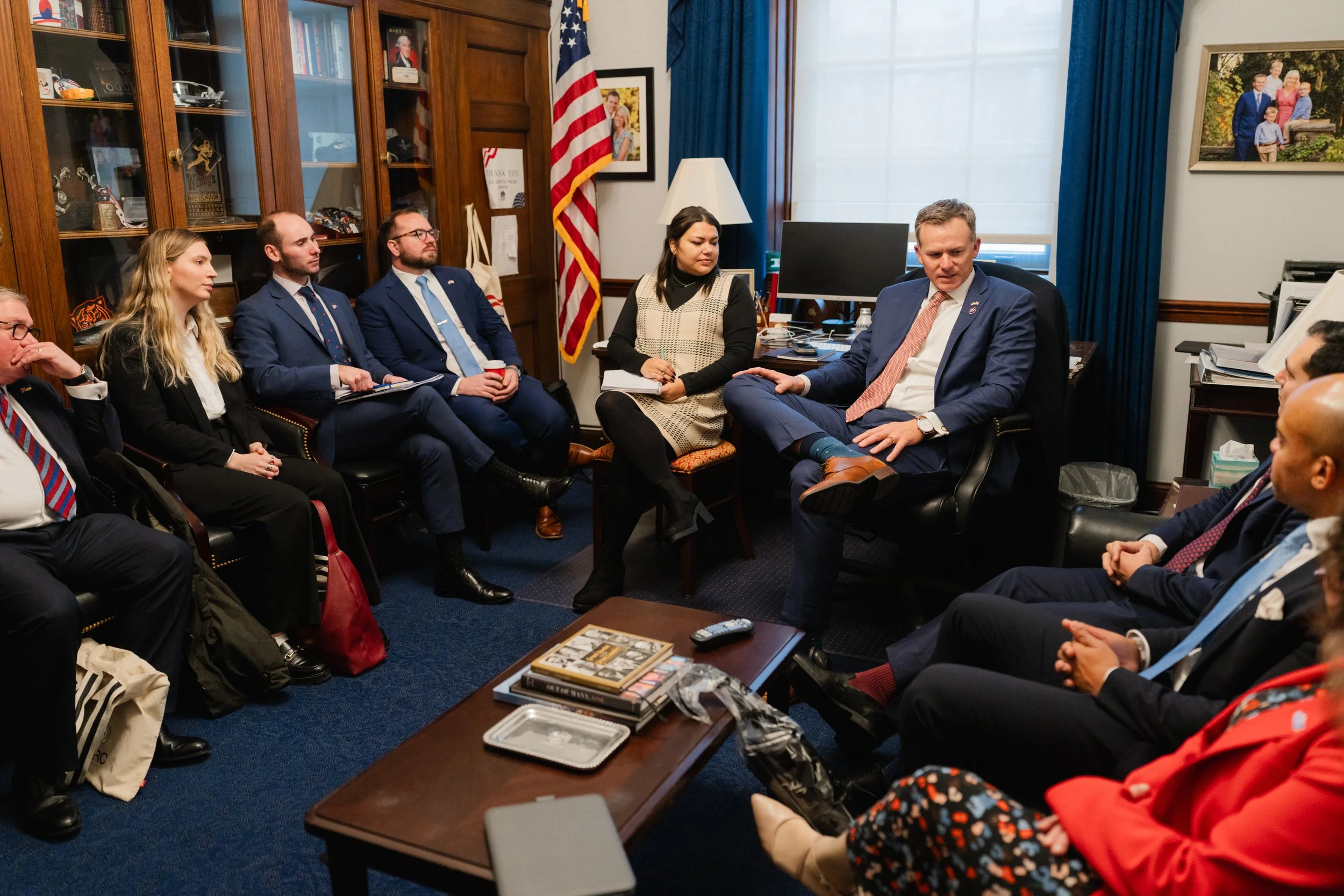
Heading over to the Hill for their first congressional meeting of the trip, the delegation met with Rep. Nick Begich (R-AK) to discuss the growing importance of the Arctic to the security and interests of the US and Europe. From its abundance of critical minerals to new trade routes, the region is taking on an increasingly prominent role and the MPs explored opportunities for further cooperation with the Congressman.
The Heritage Foundation then generously hosted the delegation for lunch to discuss the US-UK trading relationship and the impact of the Administration’s increasingly protectionist policies. The wide-ranging debate explored the recently agreed UK-US Economic Prosperity Deal, Liberation Day tariffs, the shared challenge of an increasingly burdensome deficit, DOGE, and the expansion of presidential powers.
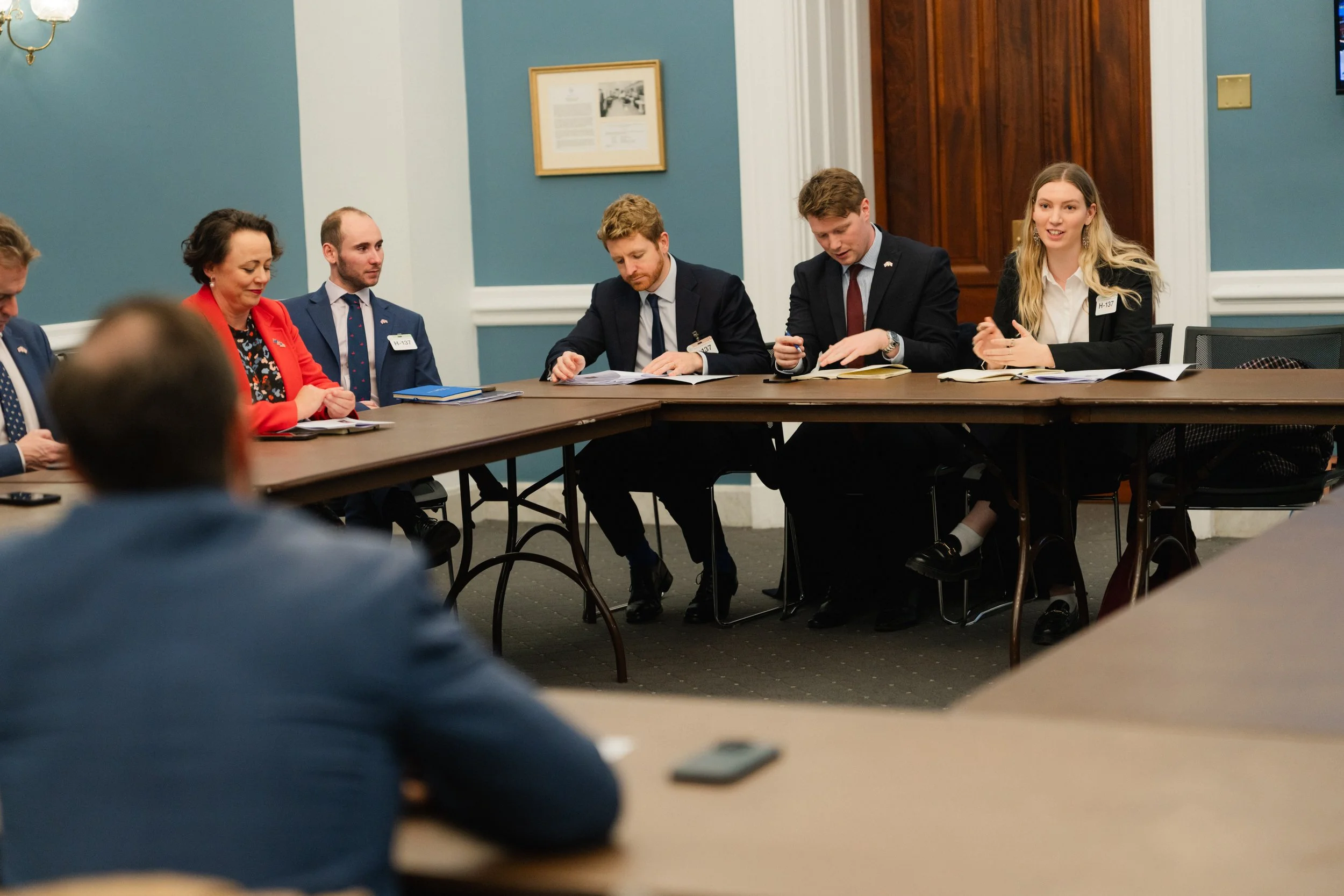
This was followed by a roundtable at the Department of State to discuss shared global priorities, opportunities and challenges. Ukraine, AUKUS and China dominated the conversation, reflecting some of the critical areas for the transatlantic relationship. The delegation were very grateful for the forthright perspectives of those in attendance, and welcomed the clear message that the UK retains an important role in driving international efforts across a variety of theatres and domains.
The final meeting of the day, at the Hudson Institute, delved into the state of the special relationship in an era of America First. NATO, Ukraine, the US-UK trading relationship, the viability of international institutions, China, and shared approaches to global challenges, amongst others, all featured throughout the discussion.
That evening, CGP was delighted to host a private dinner on ‘Challenges to global security in the late 2020s’. Guests included Ambassador Douglas Silliman, President of the Arab Gulf States Initiative, Fabrizzio Carboni, Head of the International Committee of the Red Cross’ Delegation to the United States and Canada, Dr Rachel Glennerster CMG, President of the Center for Global Development, and The Honorable Charlie Dent, Executive Director and Vice President of the Aspen Institute Congressional Program.
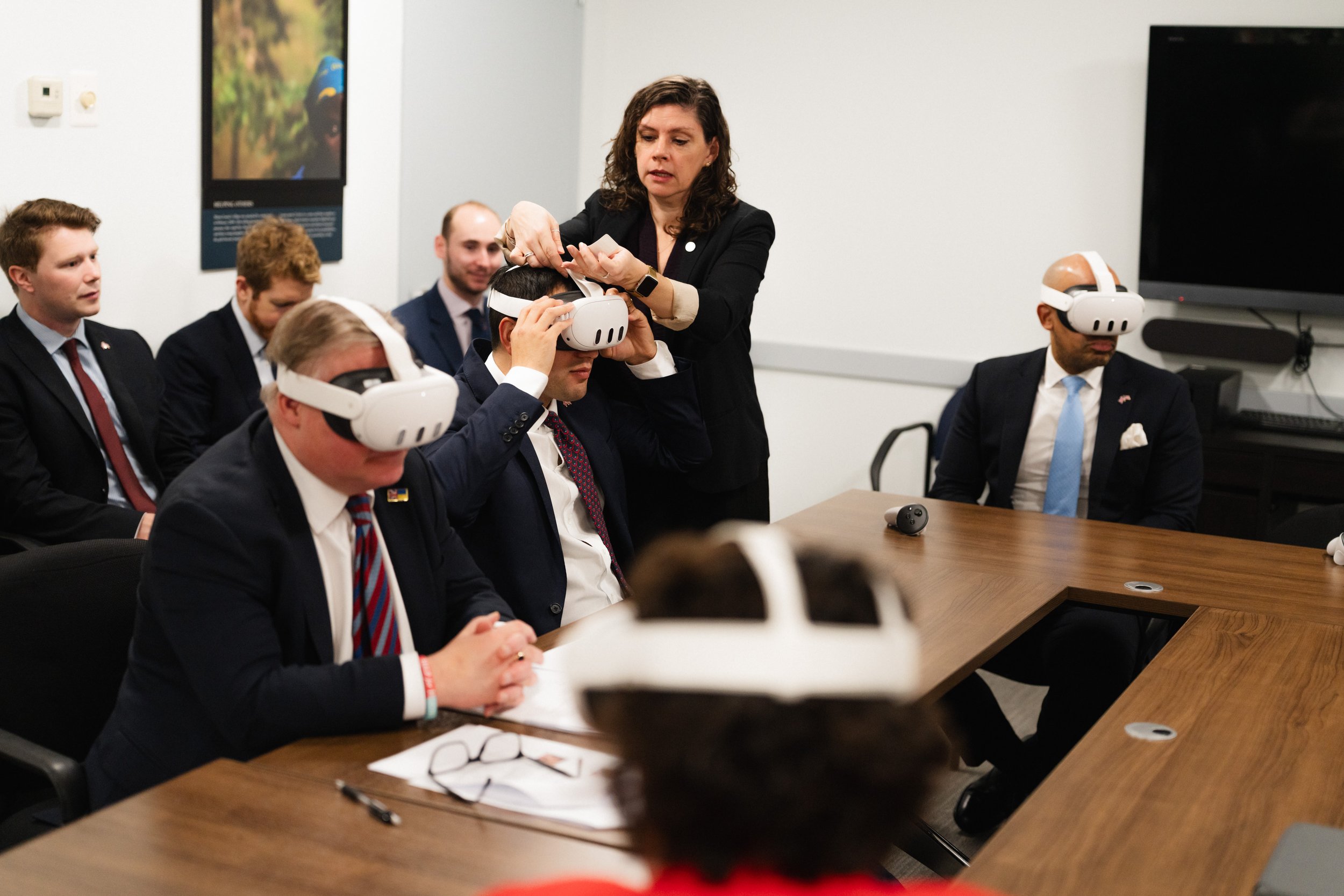
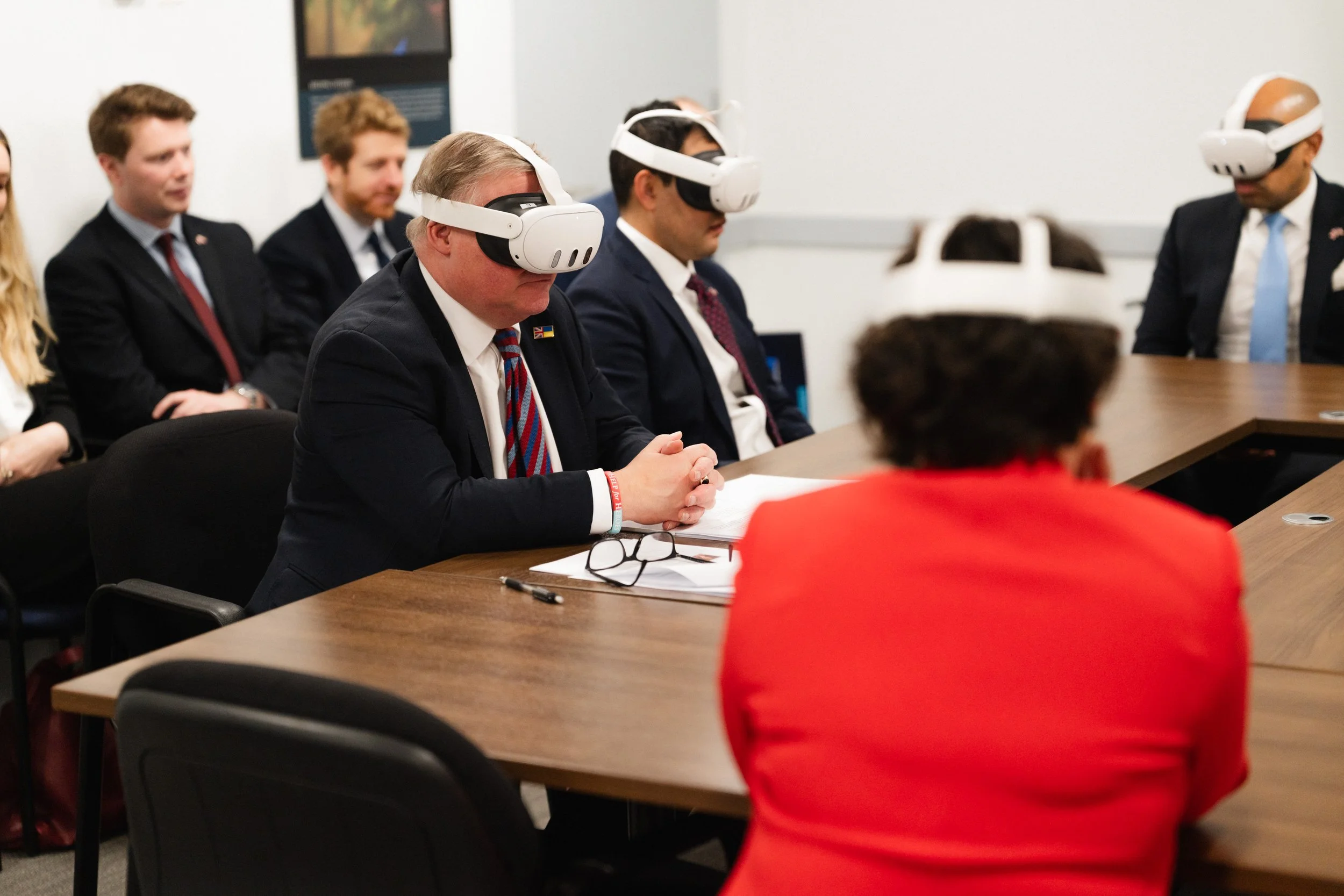
Straight into it the next day, the delegation continued some of the conversations started at dinner the evening before by joining the International Committee of the Red Cross for a breakfast roundtable. Learning about their role as a neutral intermediary between warring parties and their ongoing efforts in conflicts around the world, the MPs delved into some of the political and practical challenges facing the organisation - and wider humanitarian sector - at the moment. There was also a memorable opportunity, via VR, to witness the on-the-ground reality of the ICRC’s programmes in Afghanistan and Lebanon.
Returning to the Hill, the delegation spent most of the day meeting with their congressional counterparts. Speaking to Rep. Blake Moore (R-UT), Co-Chair of the Congressional AUKUS Working Group, the MPs welcomed the broad support AUKUS enjoys across Congress and Parliament and discussed opportunities for further collaboration under Pillar II, particularly around AI, quantum, and overcoming ITAR regulations.
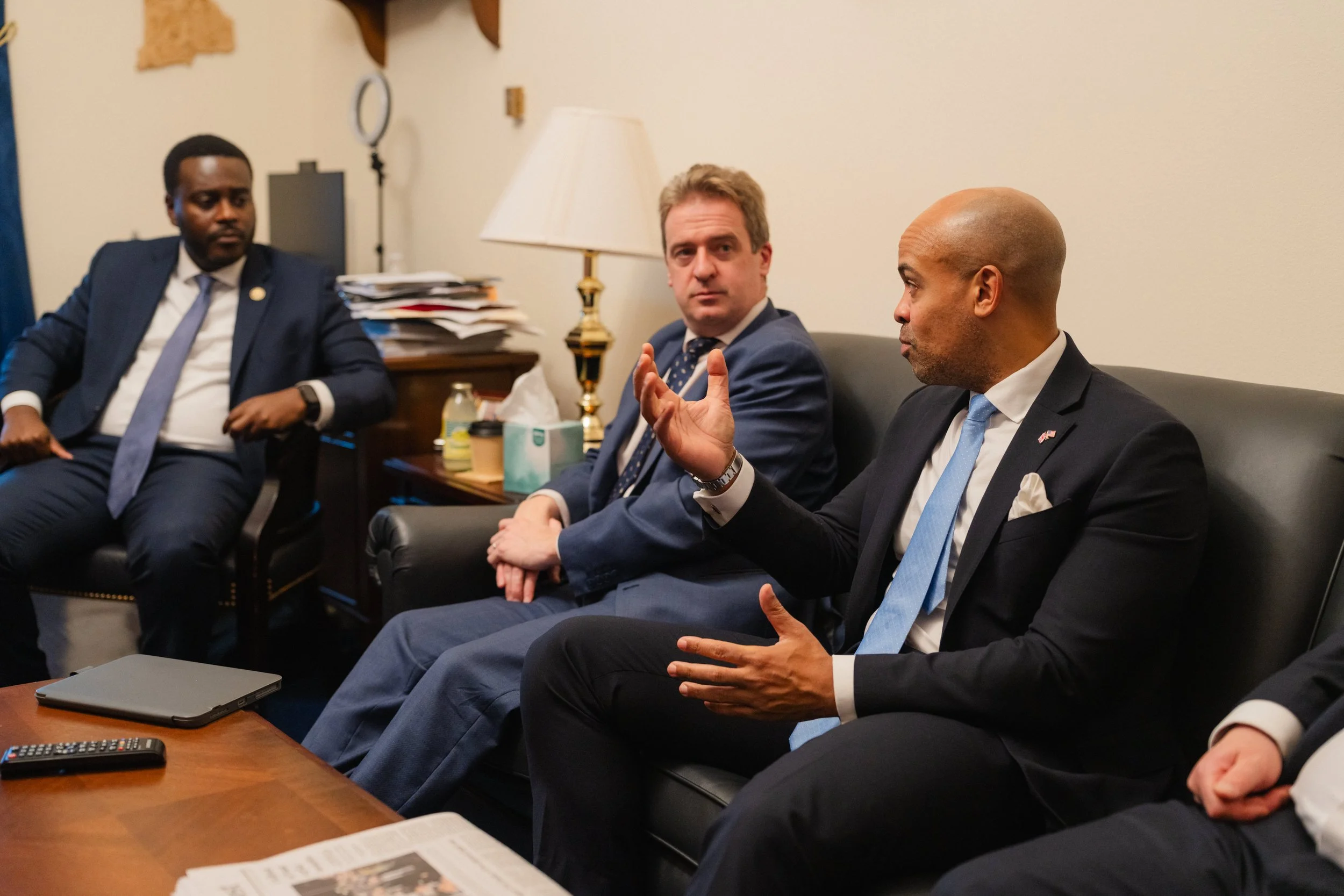
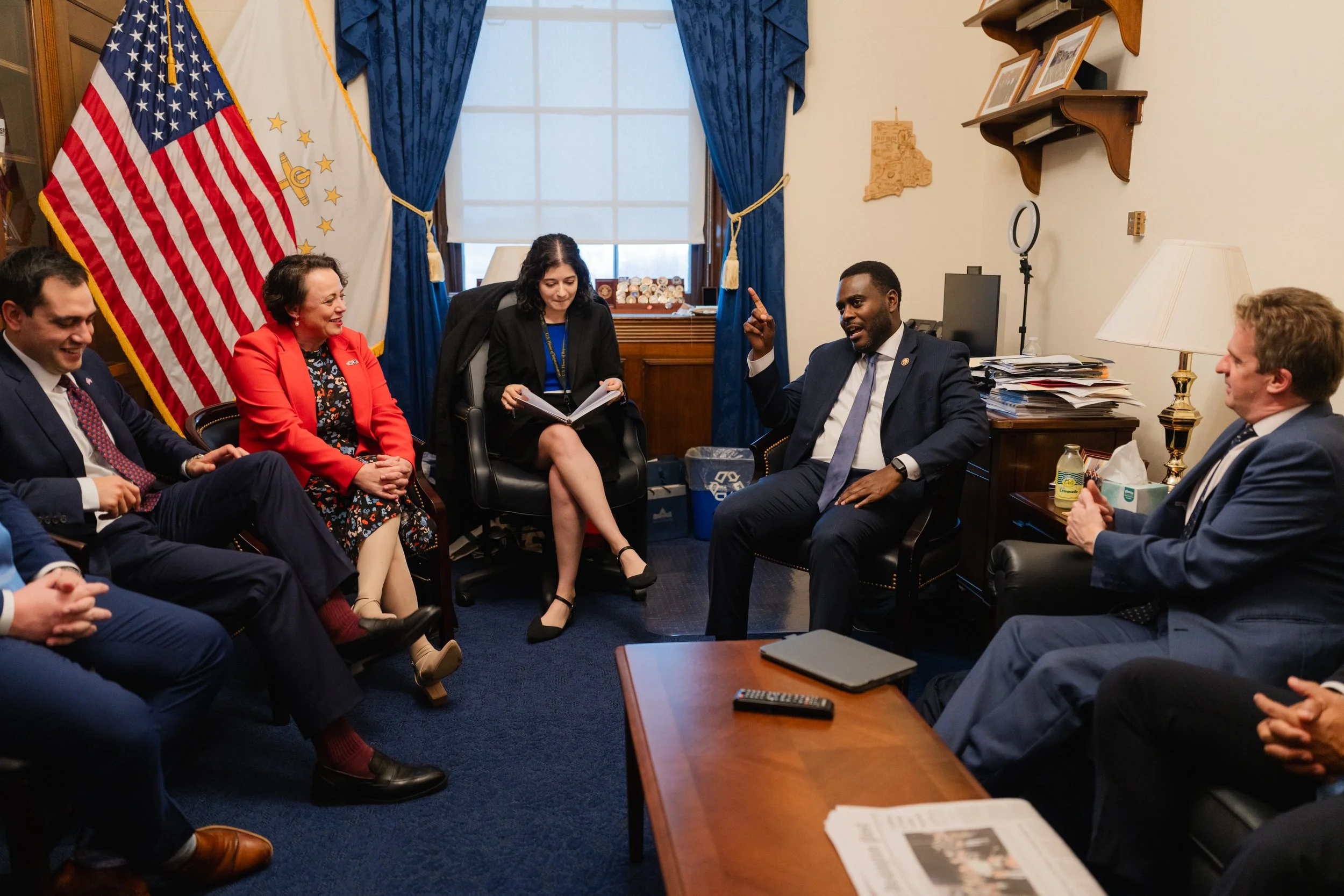
Rep. Gabe Amo (D-RI), Vice Ranking Member of the House Committee on Foreign Affairs, similarly touched on the importance of further technological cooperation, especially where the US and UK find themselves in competition with China. The conversation also addressed the USAID shutdown in the early days of the Administration, and the impact this was having on the US’ soft power and their ability to counter malign influences globally.
The British-American Parliamentary Group kindly convened a roundtable on the ongoing conflict in Ukraine. Co-Chairs Rep. Bob Latta (R-OH) and Rep. Robert Aderholt (R-AL), alongside Rep. Jason Crow (D-CO), the Ranking Member on the House Armed Services’ Subcommittee on Intelligence and Special Operations, were unanimous in their support for a durable, just and lasting ceasefire, and the need to place Ukraine in the strongest possible strategic position to achieve this.
Meeting with Rep. Warren Davidson (R-OH), a member of the House Foreign Affairs Committee, to discuss what an America First foreign policy agenda means for the special relationship, the delegation enjoyed a frank and robust debate on support for Ukraine, the future of the Republican Party, NATO’s viability, free speech and political oppression around the world.
Wrapping up meetings on the Hill, the MPs met with the Minority Staff of the Senate Foreign Relations Committee, delving into the wider US-UK relationship, the rising reach and influence of Russian disinformation, the Administration’s attempts to pull back some of its decisions on foreign assistance, especially around global health initiatives, and the White House’s concerns regarding China.
The final meeting of the day saw the group visit the Department of War’s Office of Strategic Capital, a relatively new department focussed on building a more resilient defence industrial base and promoting US technological superiority by engaging and leveraging private capital.
That evening, the delegation enjoyed a private dinner with guest speaker Richard Parker, Senior Policy Advisor at the US Global Leadership Coalition, to explore how smart investments in international assistance advance our national security.

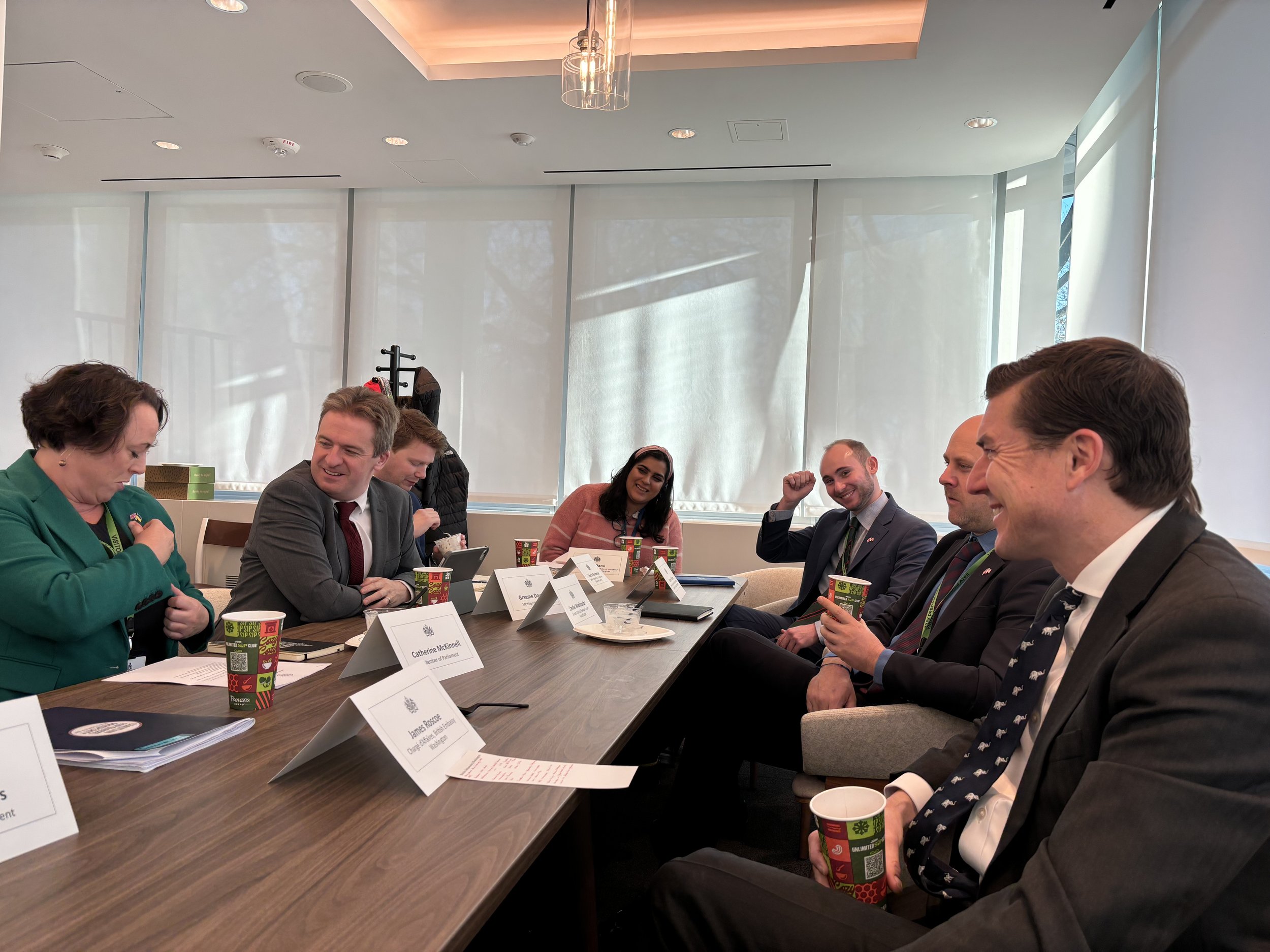
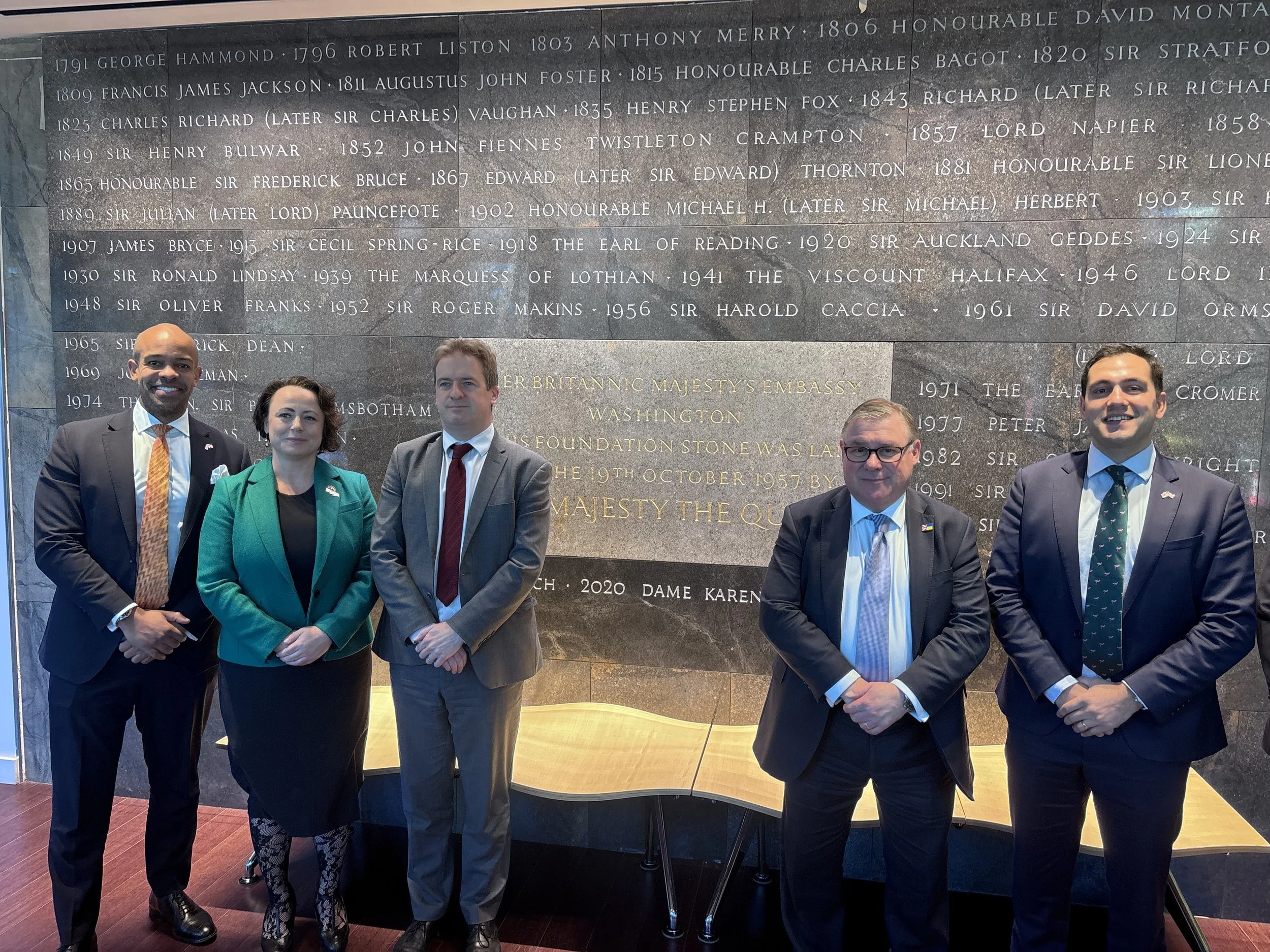
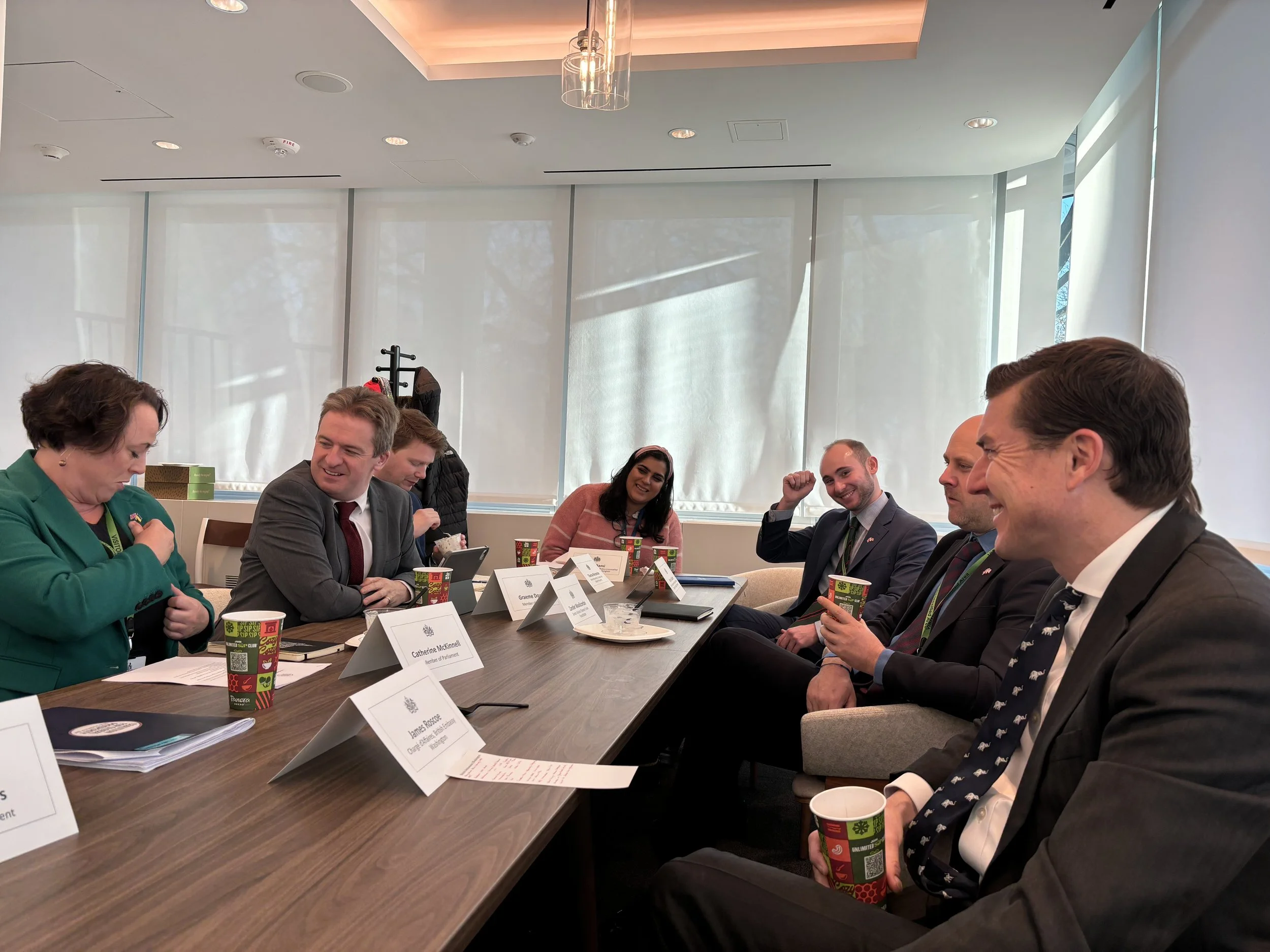
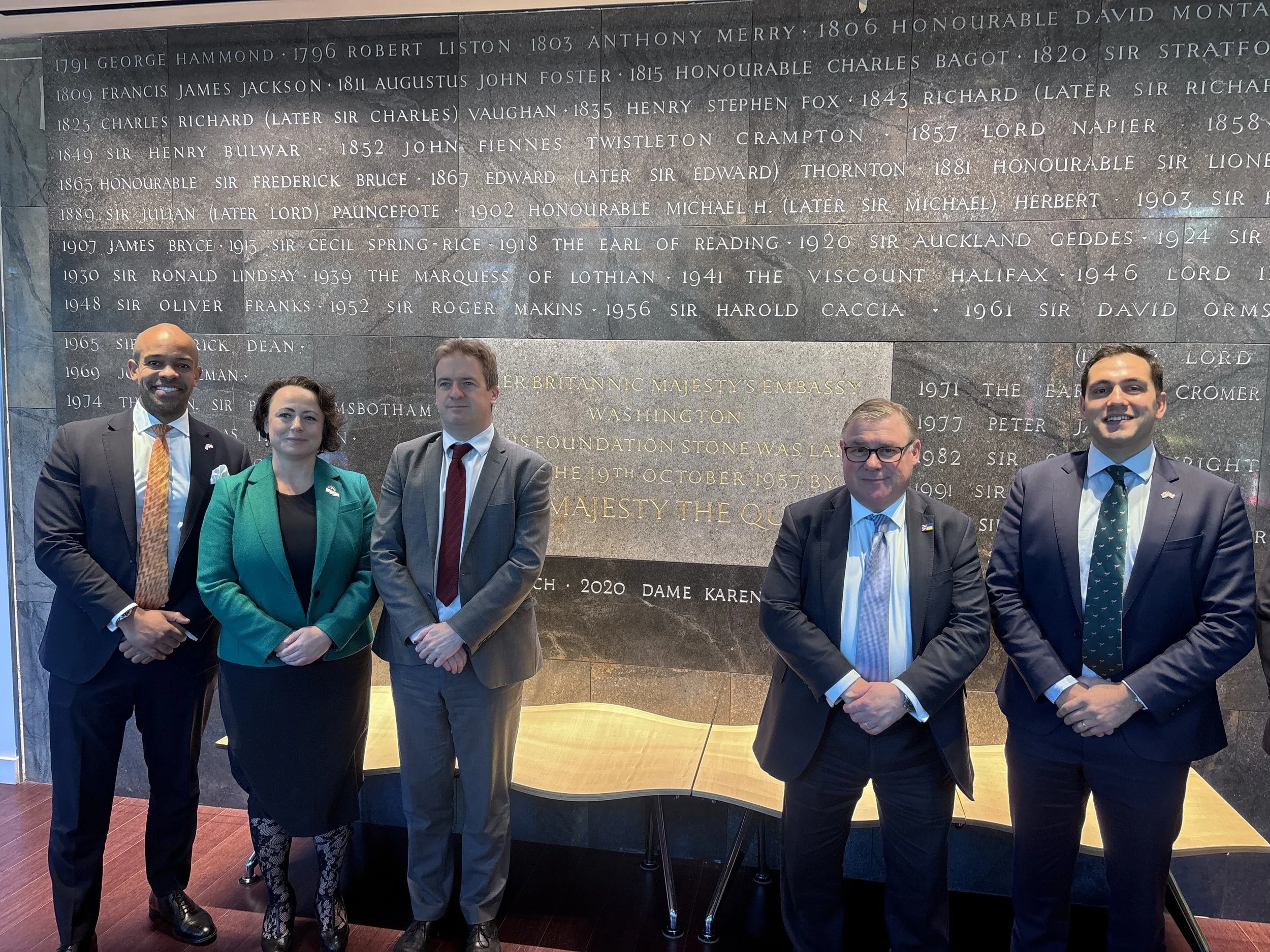
Starting off the next day at the British Embassy, the group welcomed the opportunity to sit down with James Roscoe MVO, Chargé d’Affaires (Acting Ambassador) to the United States, to gain his unique perspective on the state of the special relationship amidst significant global turmoil. It was a really useful opportunity to reaffirm the strength of the ties between the two nations and discuss some of the shared opportunities and challenges that lie ahead.
Heading over to the World Bank, the delegation had a series of high-level meetings with Vel Gnanendran CMG, UK Executive Director, Xavier Devictor, Co-Director of the 2023 World Development Report, and Ed Mountfield, Vice President for Finance, Risk, Economics, and Sustainability at MIGA. The conversations focussed on the UK’s priorities at the World Bank, multilateral development bank reform, mobilising private capital, migration, and de-risking investments in fragile and low-income environments.
For their penultimate meeting of the visit, the delegation took part in a roundtable at the Atlantic Council, where once again Ukraine dominated the conversation. It was a timely discussion, held shortly before the publication of the latest US National Security Strategy, covering the ongoing US peace efforts, European defence postures, the US commitment to NATO, growing interest in the High North, and the seizure of frozen Russian assets.
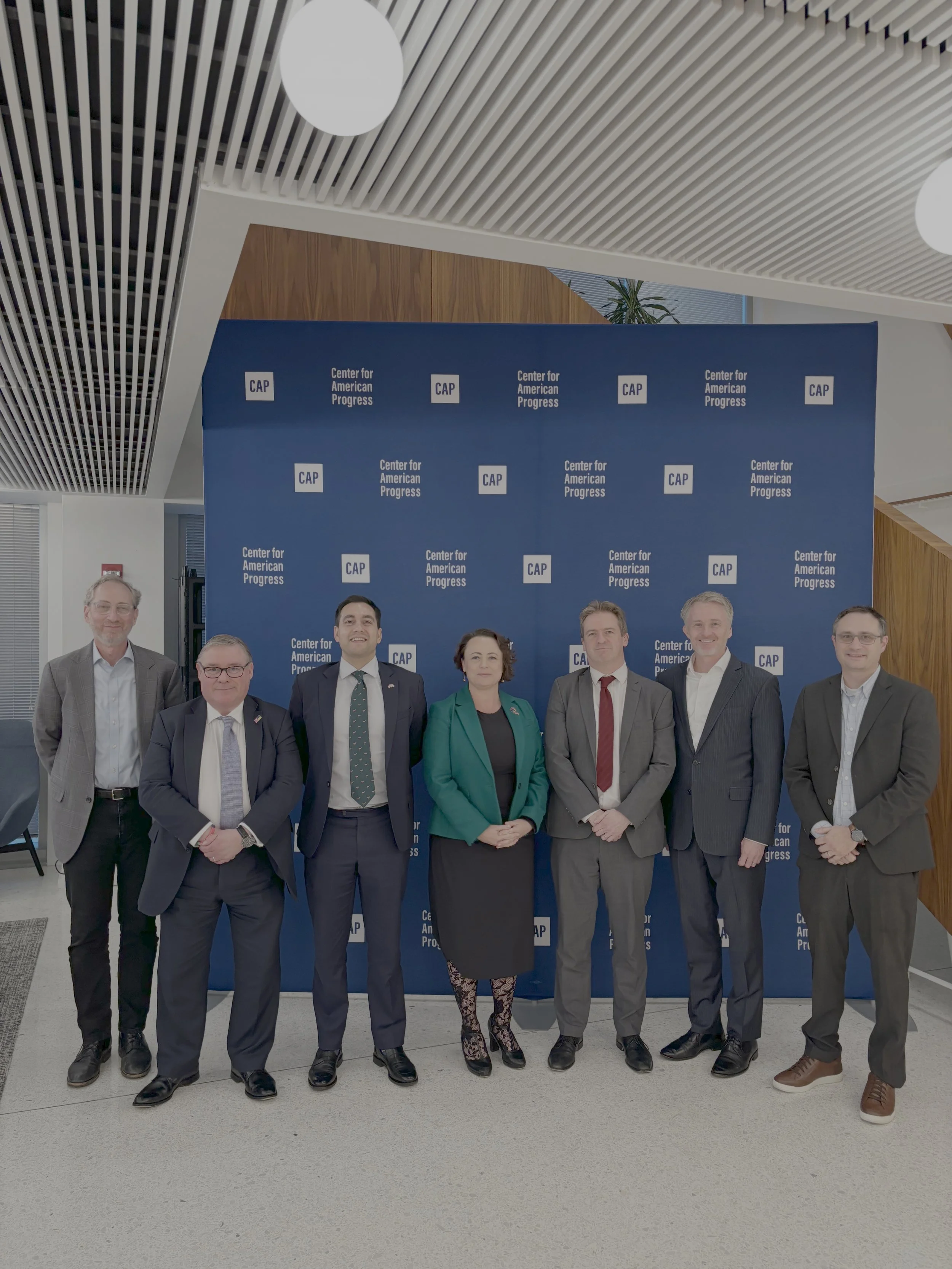
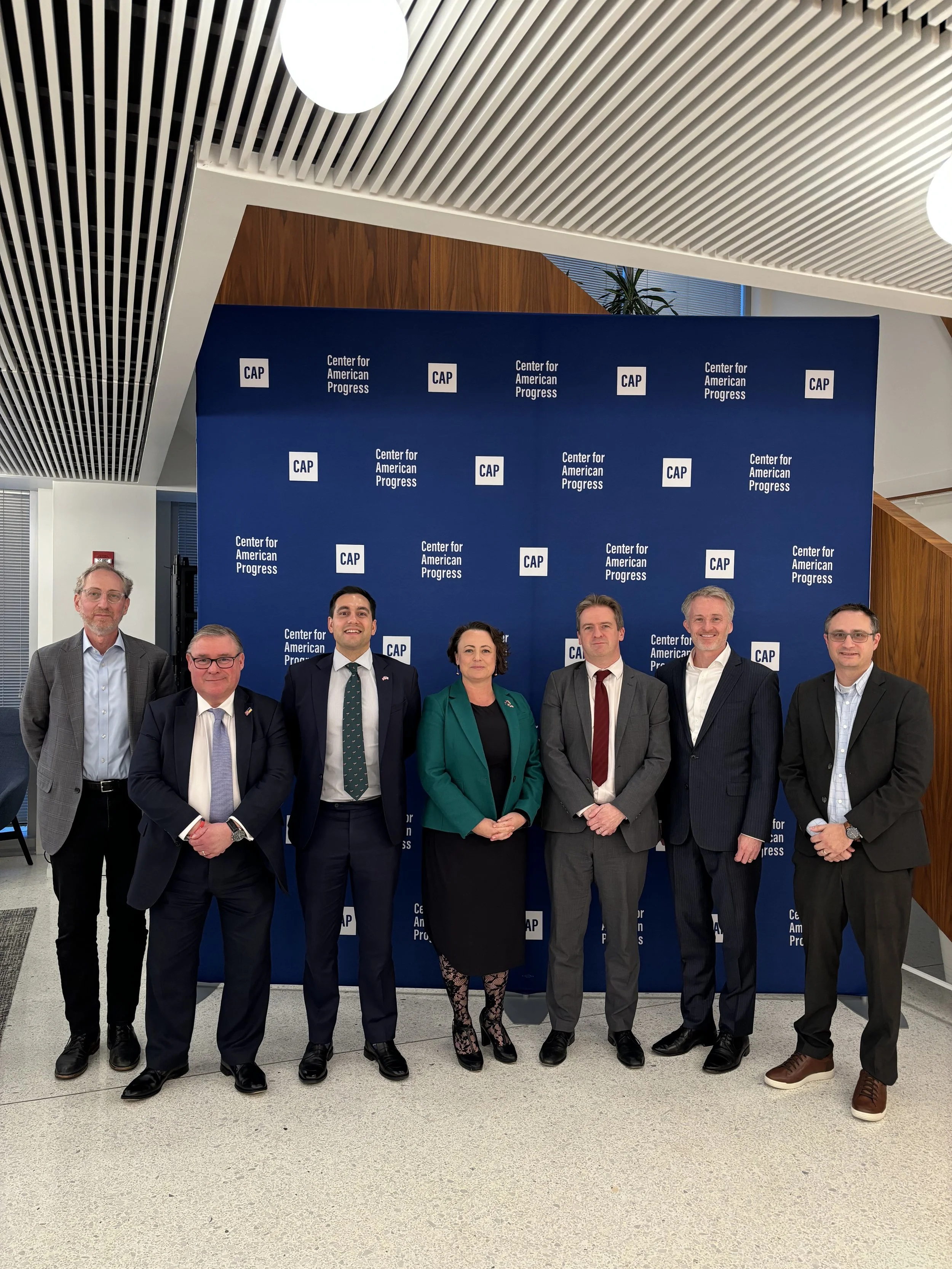
The Center for American Progress then hosted a meeting on soft power, alongside a wider conversation about the current state of US domestic politics and the possible directions of travel for the Democrats over the coming years.
That evening, Rep. Nathaniel Moran (R-TX) very kindly provided the delegation with a brilliant private tour of the United States Capitol, highlighting the democratic values and deep historical ties that underpin the special relationship.
The final visit of the trip was to Arlington National Cemetery, the largest in the United States, where the MPs paid their respects at the Tomb of the Unknown Soldier, visited the gravesite of President John F Kennedy, and viewed the memorial to Field Marshal Sir John Dill, the highest-ranking foreign military officer buried at Arlington.