A Fracturing Alliance? The Future of UK-US Relations
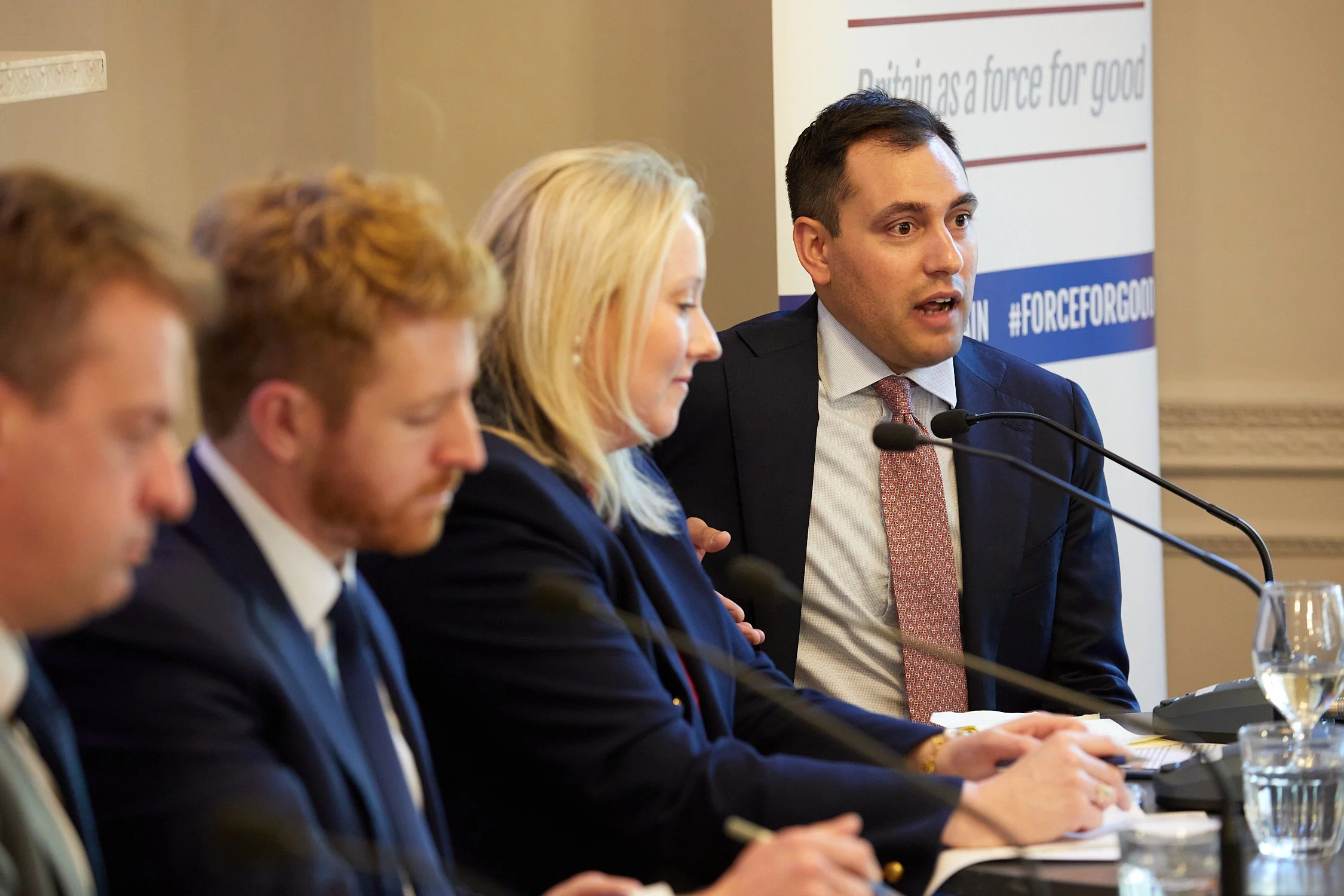
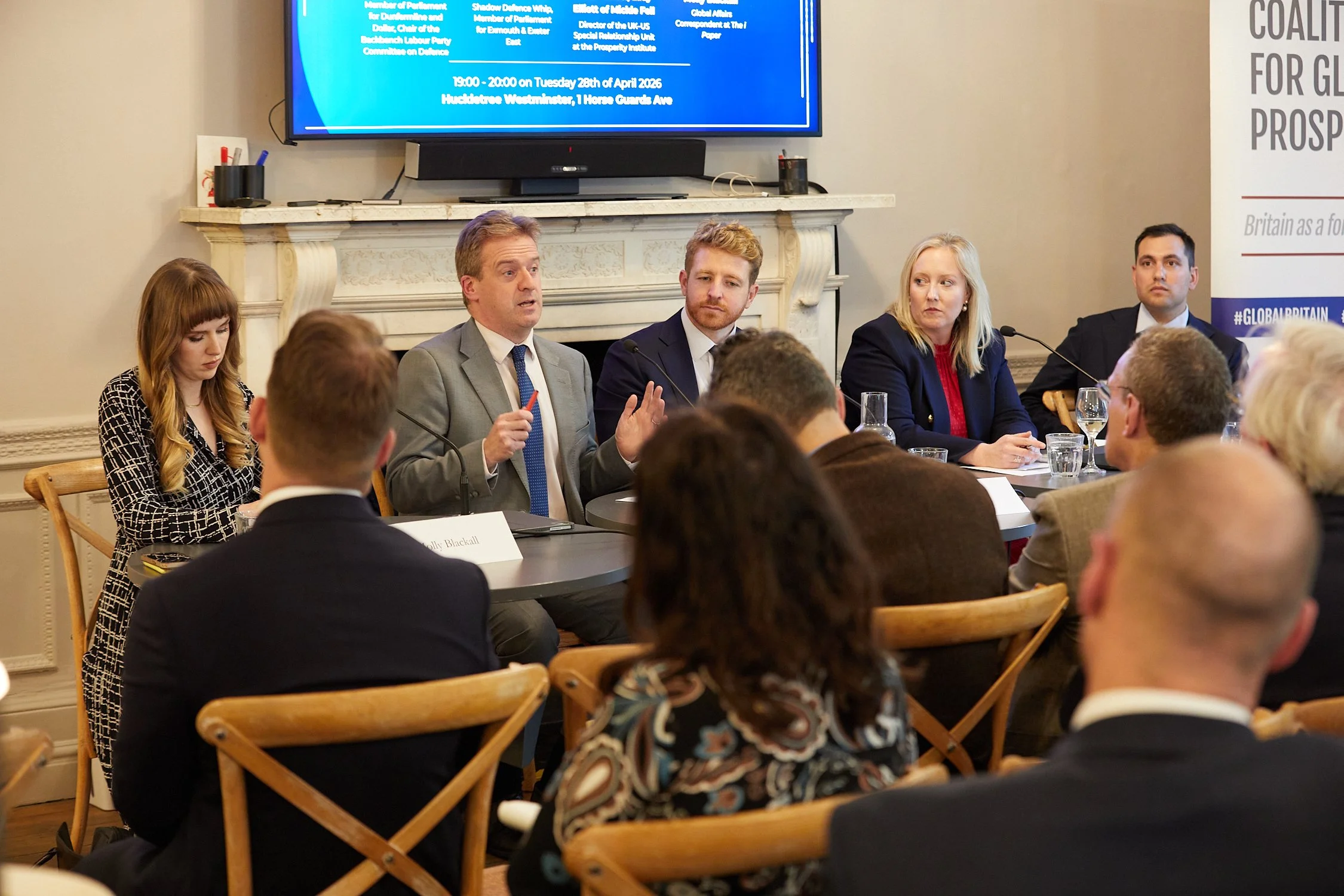
As King Charles embarked on his State Visit to the United States, a CGP panel convened in London to address a question that transcended the ceremonial warmth of the occasion: is the 'special relationship' between Britain and the US still special? The timing proved apt. With military and intelligence partnerships enduring, and cultural ties running deep, the fundamental strength of the transatlantic bond appeared secure. Yet the panel's discussion revealed a more complex picture - one in which shared history and institutional links are being tested by shifting geopolitical realities, diverging values, and an increasingly volatile political landscape. This timely panel offered a wide range of perspectives and challenged many foregone conclusions about what the relationship means, and what it will require to strengthen it in the years ahead.
On one hand, panellists were keen to emphasise the ongoing strengths of the relationship. The panellists pointed to several examples that show the fundamental aspects of the transatlantic relationship are not under threat: the warm welcome of the State visit, strong ongoing military contracts such as building nuclear submarine parts, the endurance of the relationship that has already survived the ups and downs of history’s personalities.
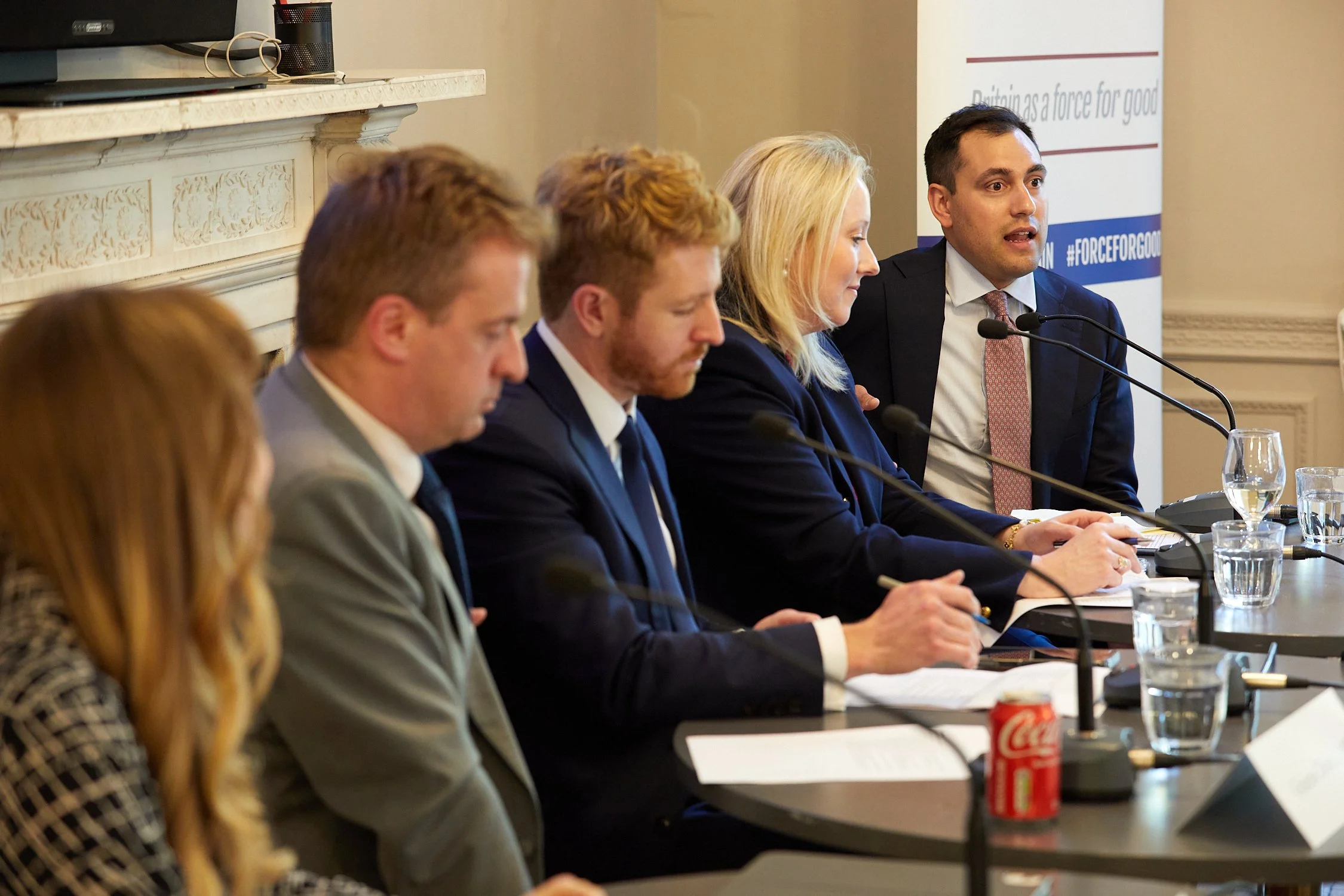
However, Molly Blackall noted her scepticism of the optimistic approach, considering the relationship to be in "unchartered territories.” Despite cultural and historical ties, Blackall pointed to the “nuts and bolts” of the relationship having changed. For example, foreign policy has historically stood apart from that in the relationship, as something which was consistent and strategic. For Blackall, this is no longer the case, exemplified by Trump’s irrational and volatile foreign policy. She noted that historically some things have remained fundamental to the relationship including support for NATO, the UN, and free trade, and yet in the worst cases these are things that the current US administration has actively undermined, therefore signally a clear divergence in values.
While the institutional links in the military and intelligence, and the importance of a shared heritage were underlined by all, there were differing views on what ‘shared values’ actually means, and the degree to which it underpins the relationship. On one hand, Ryan Henson, underlined that the relationship has to some degree always been transactional - something fundamental to diplomacy in general. Sarah Elliott noted a divergence of shared values particularly around China, emphasising that the American public do not understand why the British public do not see the Communist threat in the same way as them. She suggested this was “a civilisational issue to the Americans”, linking the need for a stronger economy to a stronger defence. Any criticism from the US to the UK Elliott placed in the context of America seeing it “as saving a civilisation ally”, an idea also linked to the UK’s increasing levels of immigration and changing attitudes towards Israel. For Elliott, these are the civilisational issues that the special relationship is grappling with.
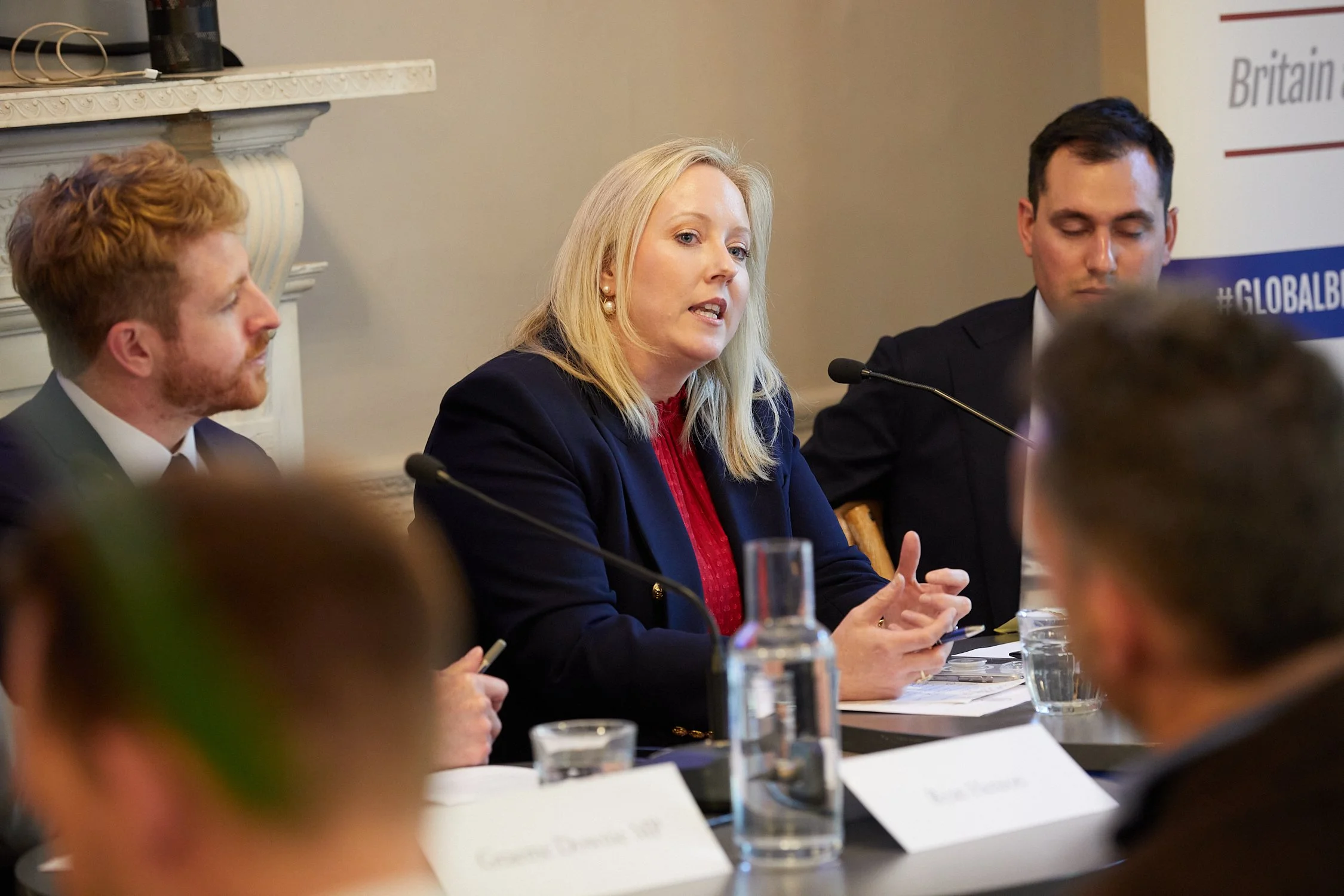
Molly Blackall challenged this view noting that the ideas around “civilisation ally” which emanated from the US’ National Security Strategy had been linked to white supremacist beliefs, and therefore had led to widespread concern in Britain about the extent to which there were shared values between the UK and the US, under the current administration. Grame Downie also expressed concern around the maneuvering space for the relationship between the US and UK to grow stronger in the current political climate, noting that President Trump’s current approach was “not how you build coalitions”. Sarah Elliott conceded that “the Truth Socials do not help”.
At the same time there was broad agreement that Britain urgently needed to reduce its dependency on the US for defence, for its own security but also to redress the imbalances in the UK-US relationship. David Reed MP reflected on the shifts he’s seen in his lifetime, from a world in which capitalism and liberalism secured Britain’s freedom and prosperity, but in reality was being underwritten by US taxpayers. Using the analogy of the “boiling frog”, Reed noted that America had woken to the fact that China was increasingly a peer competitor, and that the changes in the world order are all a reflection of this new reality. At the same he argued that Europe is now “trying to catch up to the world as it is”, one in which there is war in Ukraine, war in the Middle East, across Africa, increasing geopolitical tension with China, together with the impact of climate change and emerging technologies we are struggling to contend with.
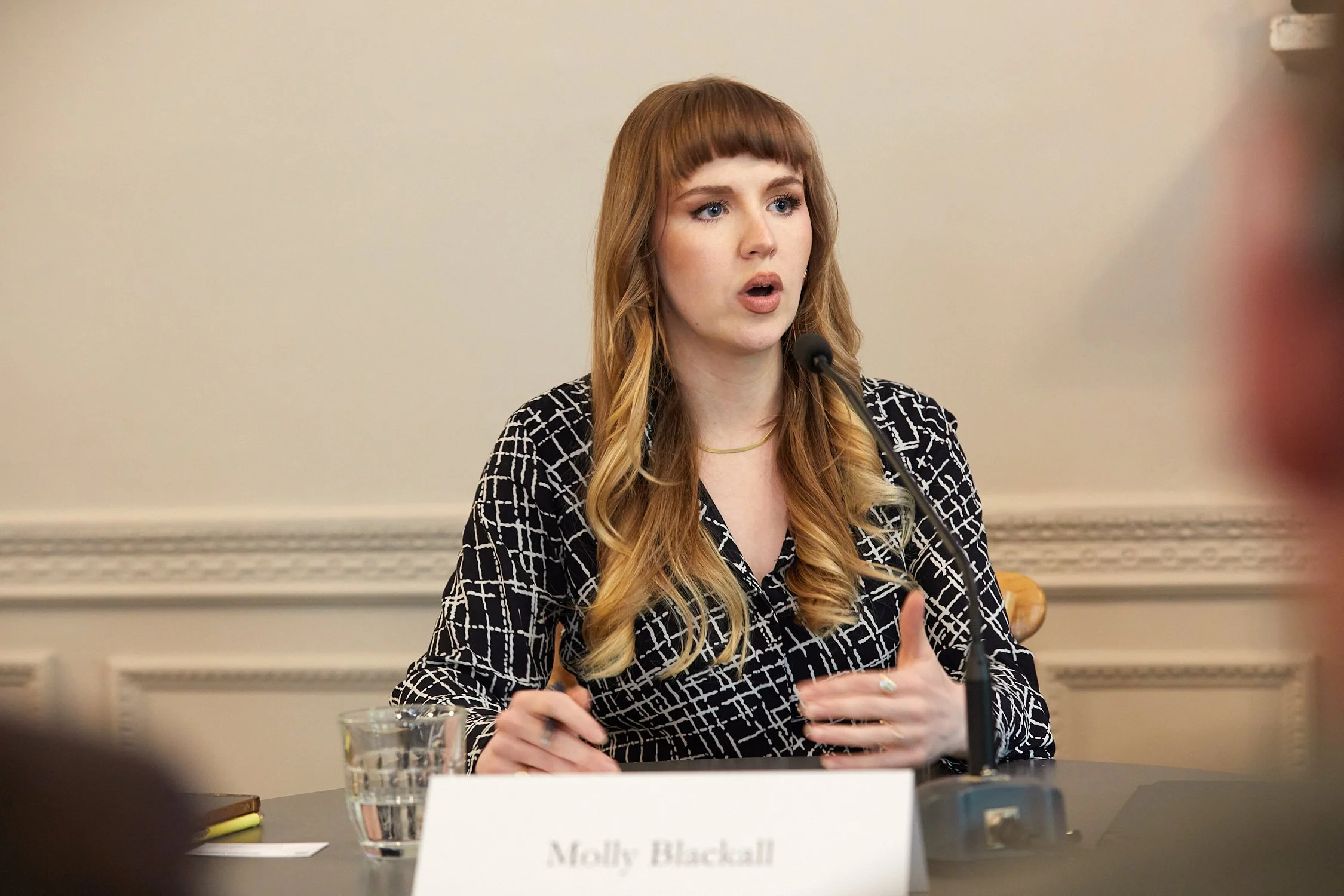
Yet, for this “catching up” to occur, panellists noted a gap in public preparedness. Graeme Downie MP and David Reed MP were keen to emphasise the cross-party consensus on increasing public awareness of the threats from Russia and China. As Downie stated: “We’ve not been as honest as we should have been with the public on the threats that face us”. It was noted that despite a very strong understanding within the security services and at the highest levels of government around the threats that face the country, that information has not been appropriately disseminated to the public.
Downie reasserted how challenging that conversation with the public will actually be. He argued that if governments are looking at the difficult decisions that are going to be made around increasing taxes, or cutting spending, even the most politically challenging areas need to be looked at, for example, looking at the triple lock on pensions.
As the discussion drew to a close, Molly Blackall posed a question that captured the essential challenge ahead: "How do we make ourselves an ally the US wants?" The answer, the panellists suggested, lies not in nostalgia for the special relationship as it was, but in Britain's willingness to strengthen its own strategic position and demonstrate renewed relevance in a rapidly changing world.