Egypt - August 2026
Egypt sits at the centre of some of the region's most pressing challenges: hosting the largest refugee population fleeing the Sudan conflict anywhere in the world, navigating the economic fallout of Red Sea shipping disruption, and playing an increasingly important role in shaping regional stability.
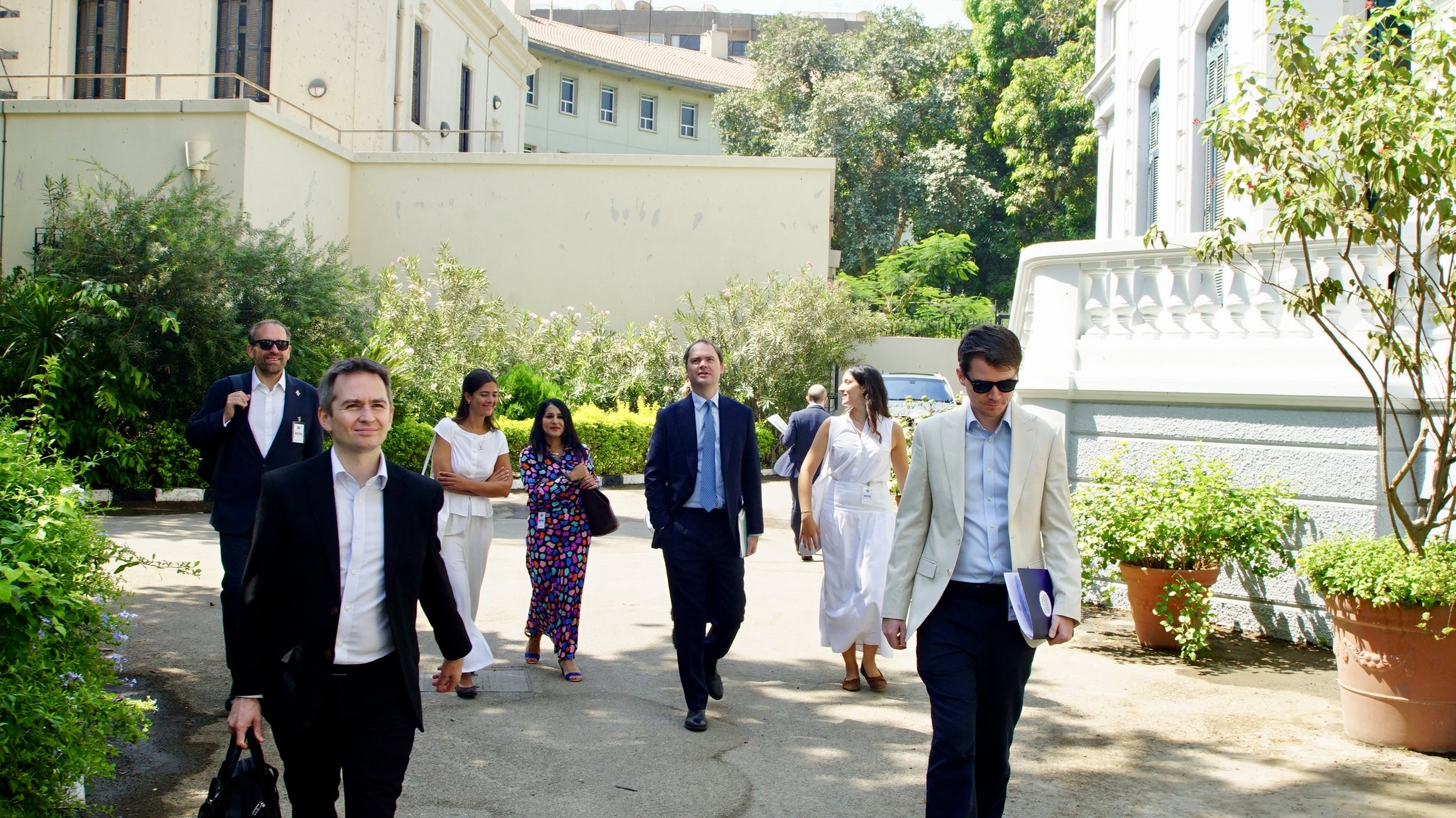
The Coalition for Global Prosperity facilitated a cross-party delegation of British Parliamentarians to Egypt, including Gordon McKee MP, Naushabah Khan MP and Mark Sewards MP, alongside Stewart Harper, Vice President of the National Conservative Convention. The delegation met with UN agencies, international financial institutions, British diplomats, and Egyptian officials to examine how the UK's development, diplomatic, and defence relationships with Egypt are adapting to this shifting landscape.
At the British Embassy in Cairo, meetings with Catherine Carr, Deputy Head of Mission, and the UK's Defence Attaché, explored growing defence cooperation between the Egyptian and British Armed Forces, and Egypt's wider diplomatic position in the Middle East. Discussions also turned to the outcomes of former Foreign Secretary Yvette Cooper's visit to Egypt in June 2026, which included over $15 million of funding to support the country's humanitarian response and economic resilience.
Egypt is an attractive market for British investment, underpinned by its large population, strategic location, access to regional and international markets, and young, skilled workforce. British International Investment (BII) outlined its approach to supporting private-sector growth through investments that deliver both commercial returns and development impact. Climate is one of its largest investment areas, alongside a strong focus on expanding access to finance for women and SMEs.
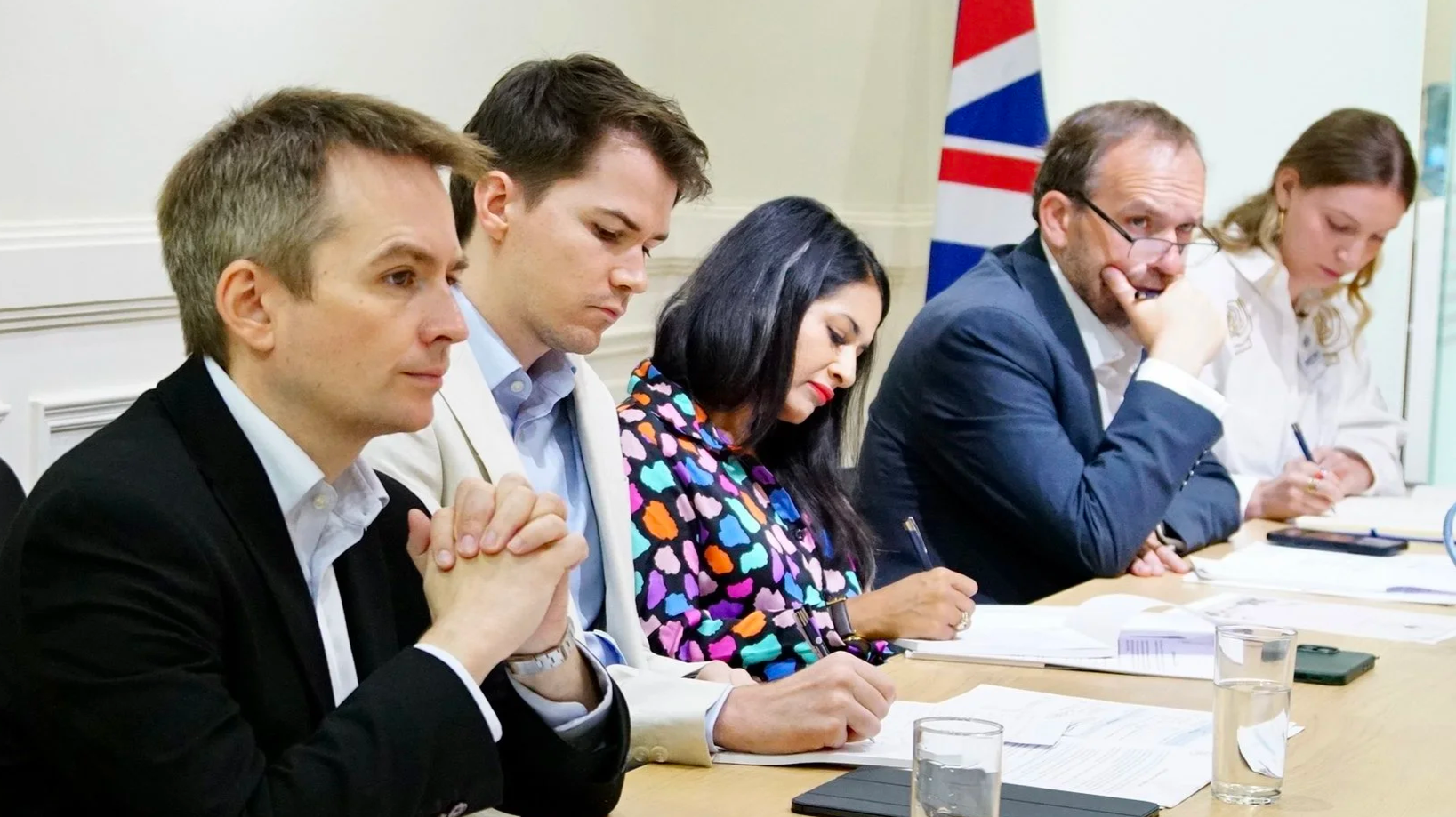
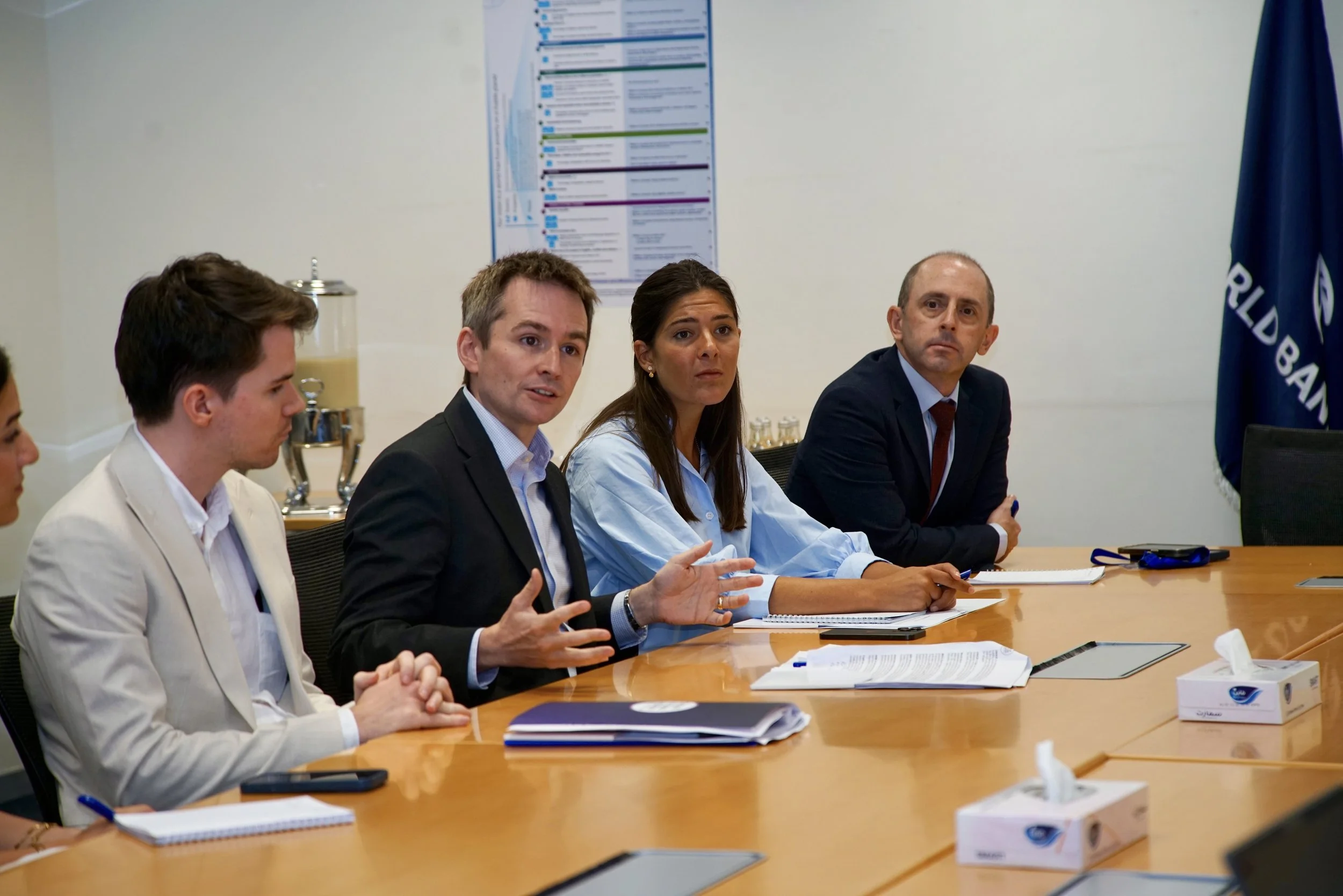
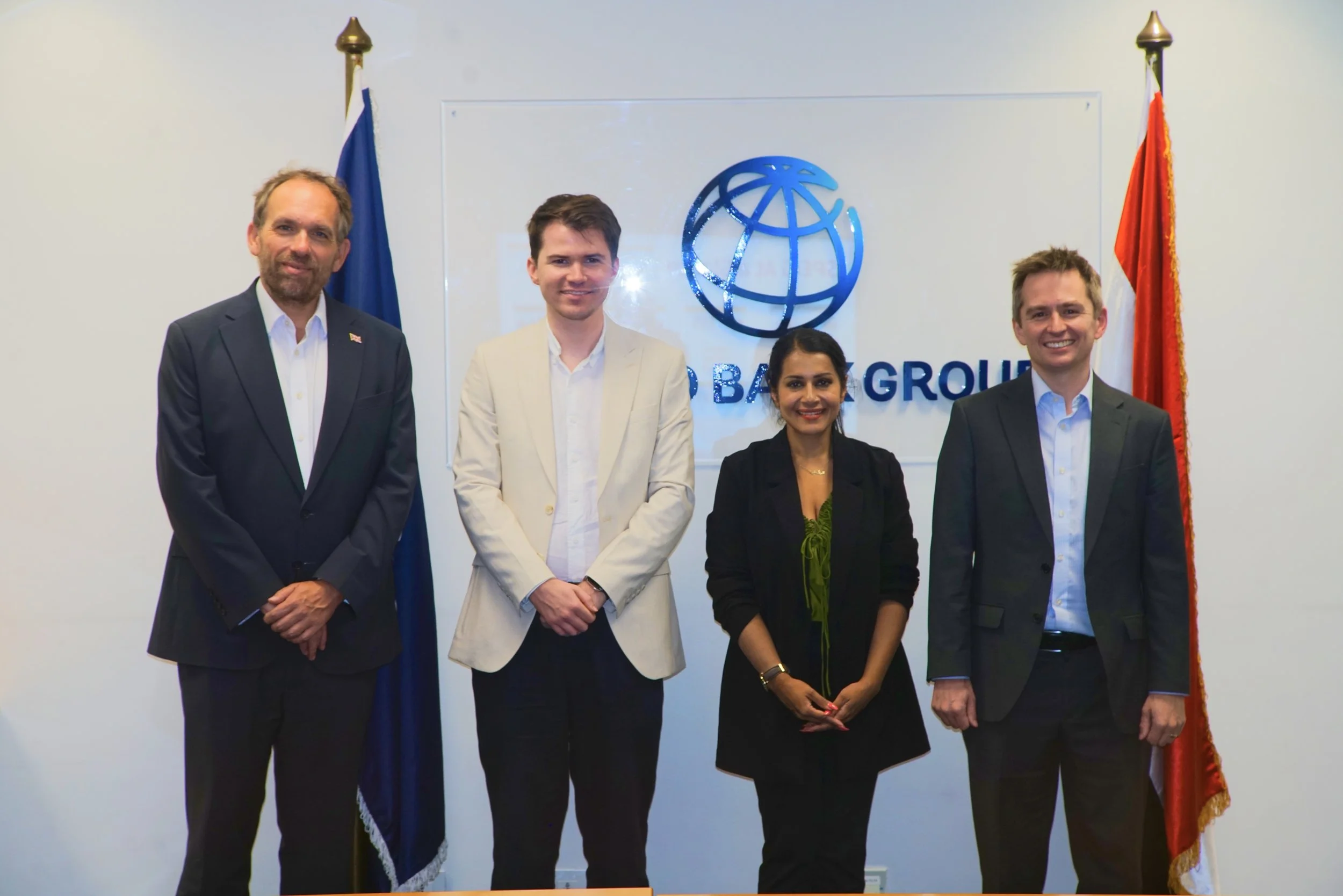
Economic discussions continued at the World Bank, where the delegation explored the UK's partnership with the Bank on economic reform and trade. Egypt's Country Partnership Framework sets out three high-level outcomes guiding the World Bank Group's strategy: more and better private sector jobs, enhanced human capital outcomes, and improved resilience to shocks. The Bank's strategy has increasingly turned to the intersection of climate and development, including through Egypt's own Nexus of Water, Food and Energy programme.
Water security and climate threats facing the region were also explored, including through the UK Climate Finance Accelerator (CFA), an ODA funded programme that supports sustainable growth while expanding UK trade and investment relations. The CFA provides expertise in green growth and gender inclusion to local business accelerators, including Renile, an Egyptian agricultural business now entering the UK market. PwC’s support for this private sector led growth demonstrates how ODA, expertise and investment can help Egyptian businesses scale while strengthening commercial ties with the UK.
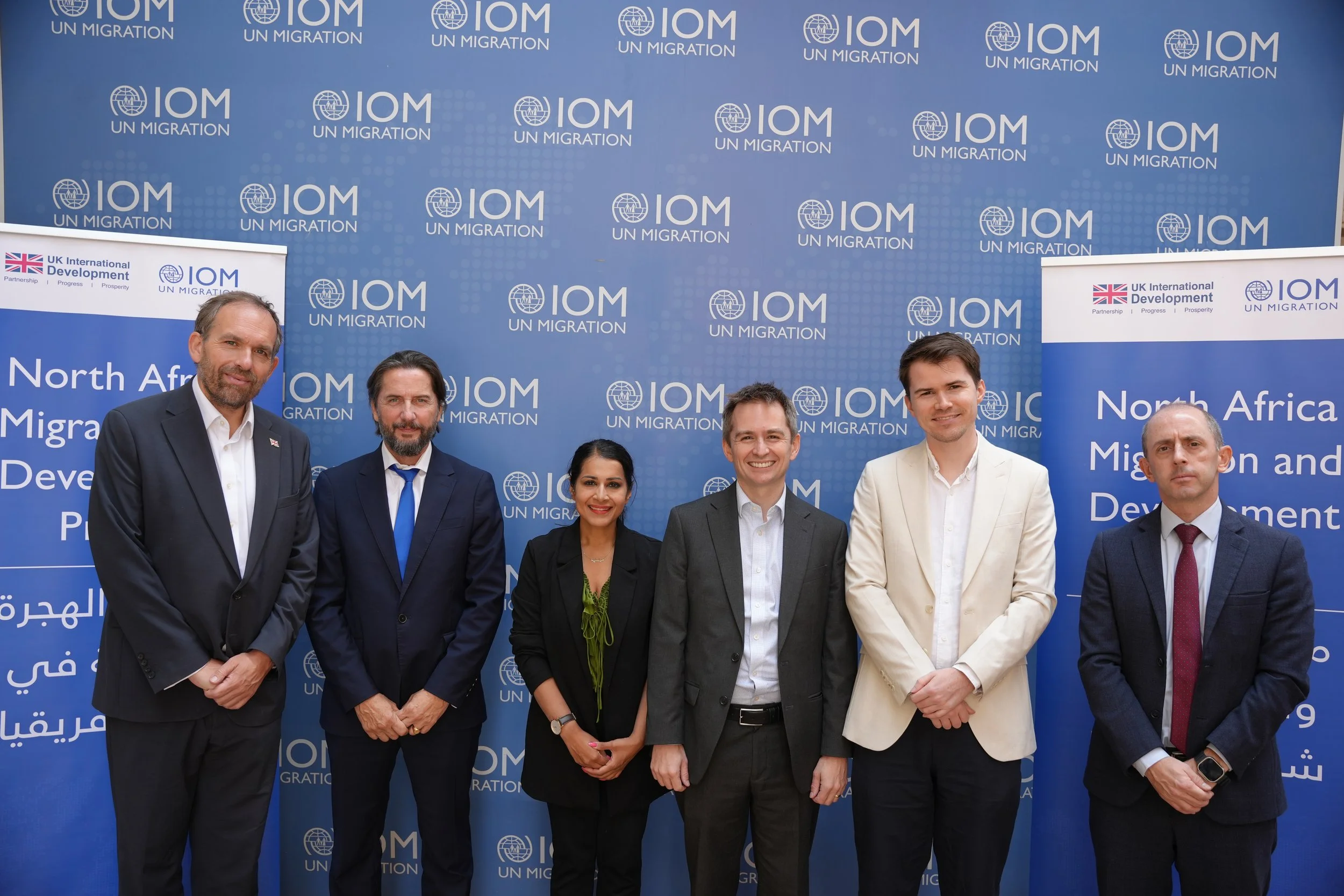
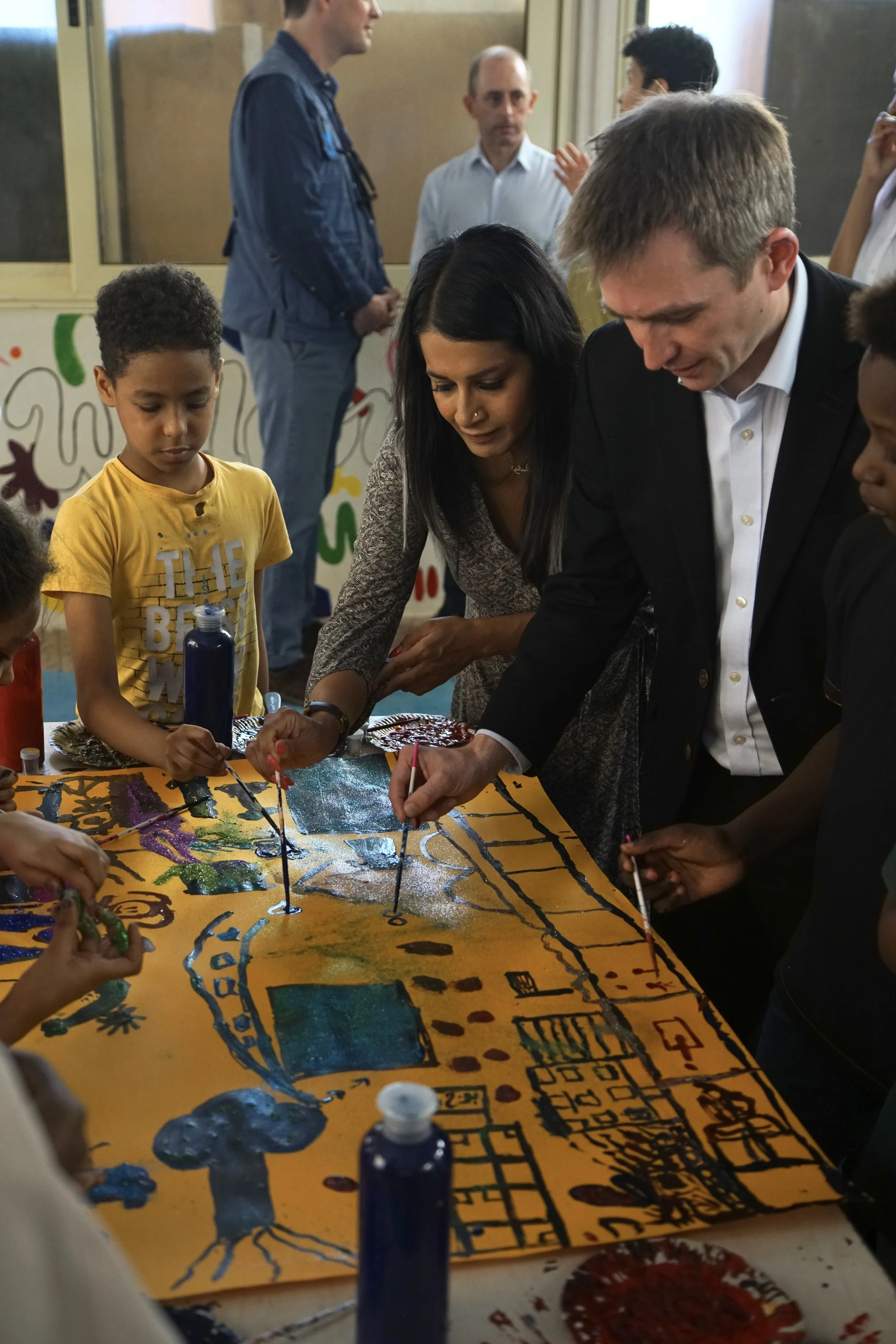
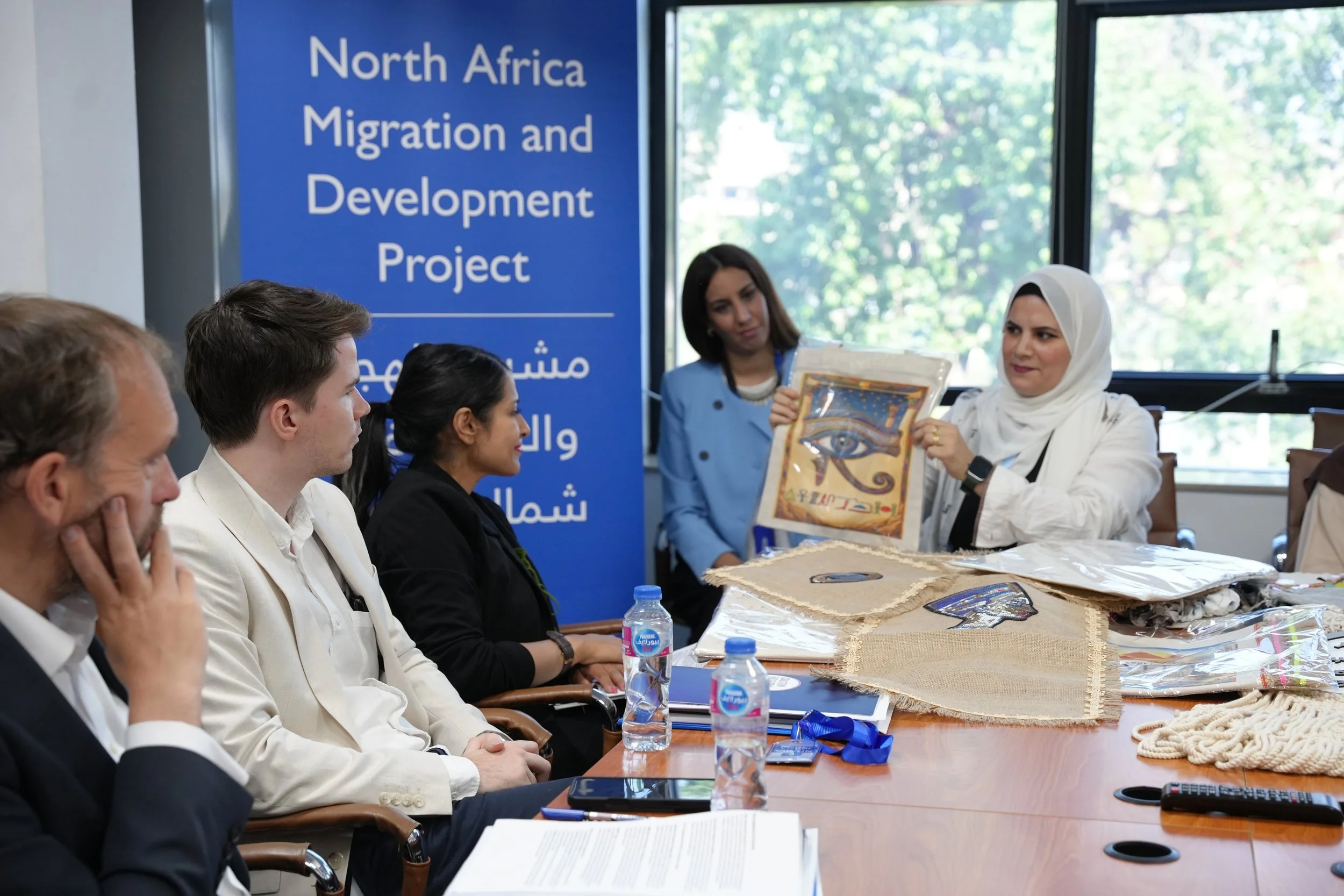
At the International Organization for Migration (IOM), the delegation met with Sudanese migrants and Egyptian host community members supported by the FCDO-funded North Africa Migration and Development (NAMAD) project. In Egypt alone, NAMAD has supported over 22,400 migrants and host community members since 2024 - through protection services, cash assistance, and livelihood training. The project’s work has taken on added urgency amid the ongoing displacement of Sudanese nationals into Egypt.
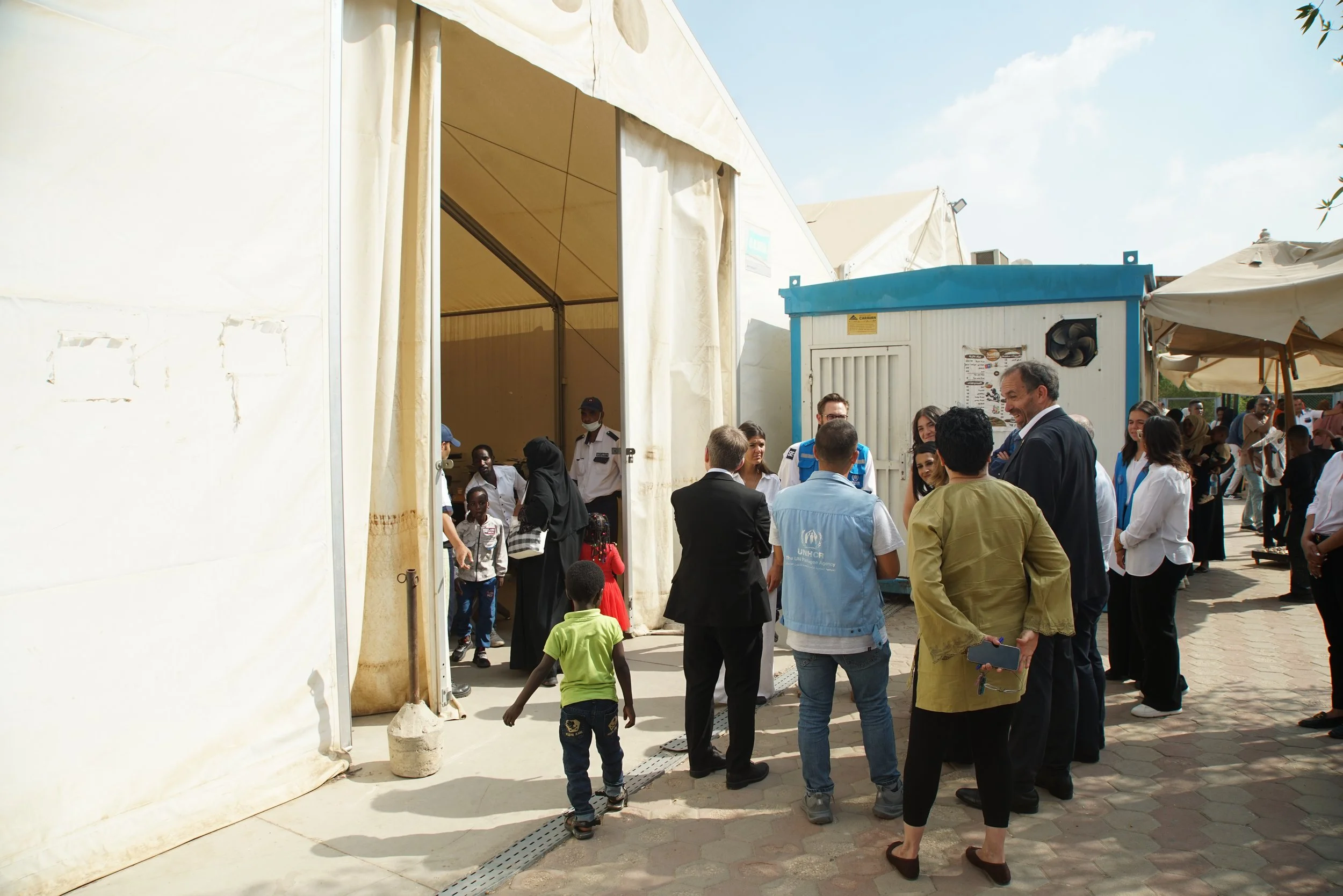
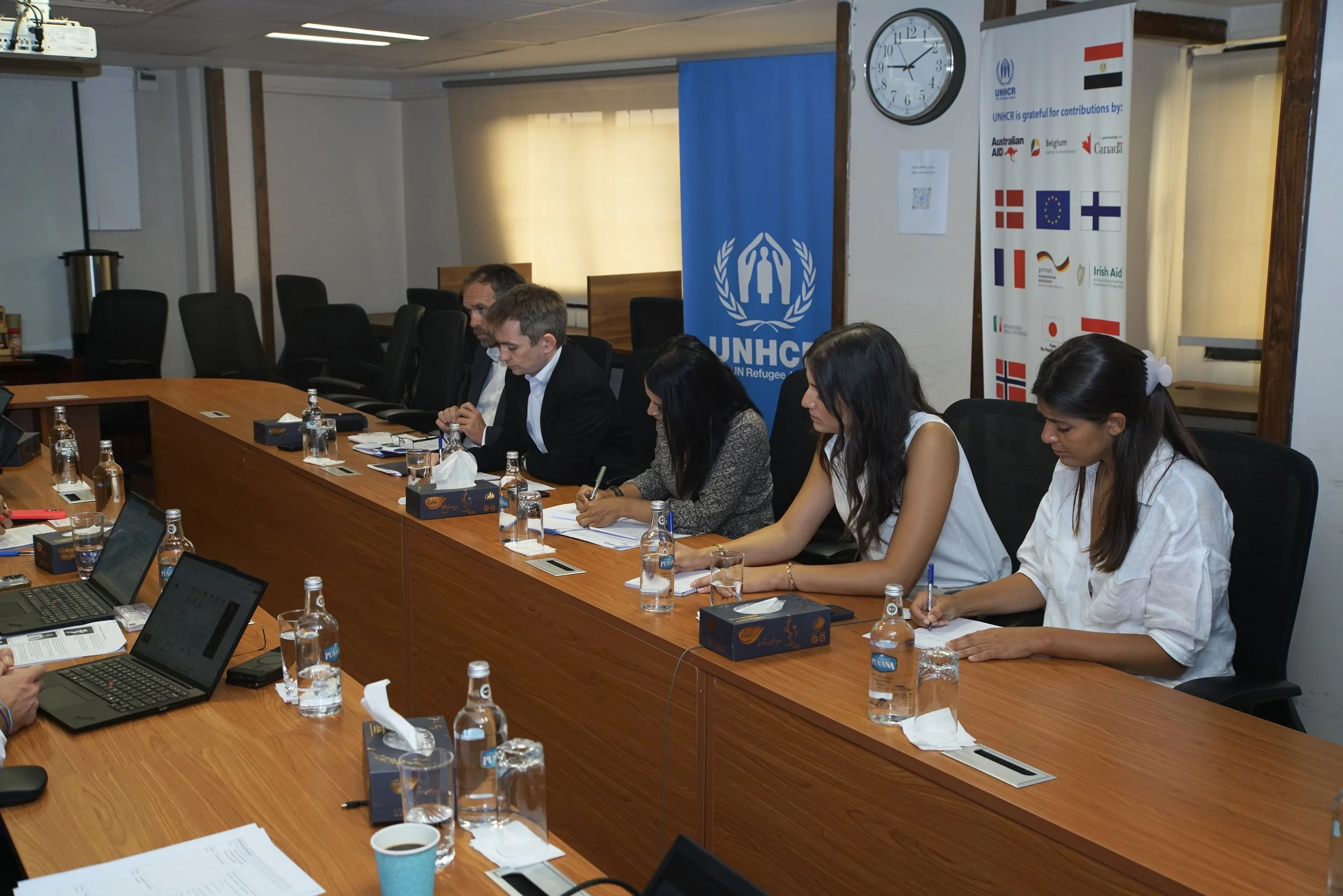
The delegation further witnessed the scale of Egypt's refugee crisis at a UNHCR registration centre. Egypt now hosts approximately 1.5 million registered refugees and asylum-seekers, over three-quarters of them Sudanese (UNHCR Egypt), following a fourteen-fold increase since the Sudanese conflict. Egypt has become the top recipient country for people fleeing Sudan, and the second-highest recipient of new asylum applications globally - yet UNHCR's Egypt operation remains only 26% funded against its $133.5 million requirement for the year. Accompanied by the Deputy Representative and the wider protection team, the delegation met with Sudanese asylum-seekers and refugees, discussing the protection services offered by UNHCR.
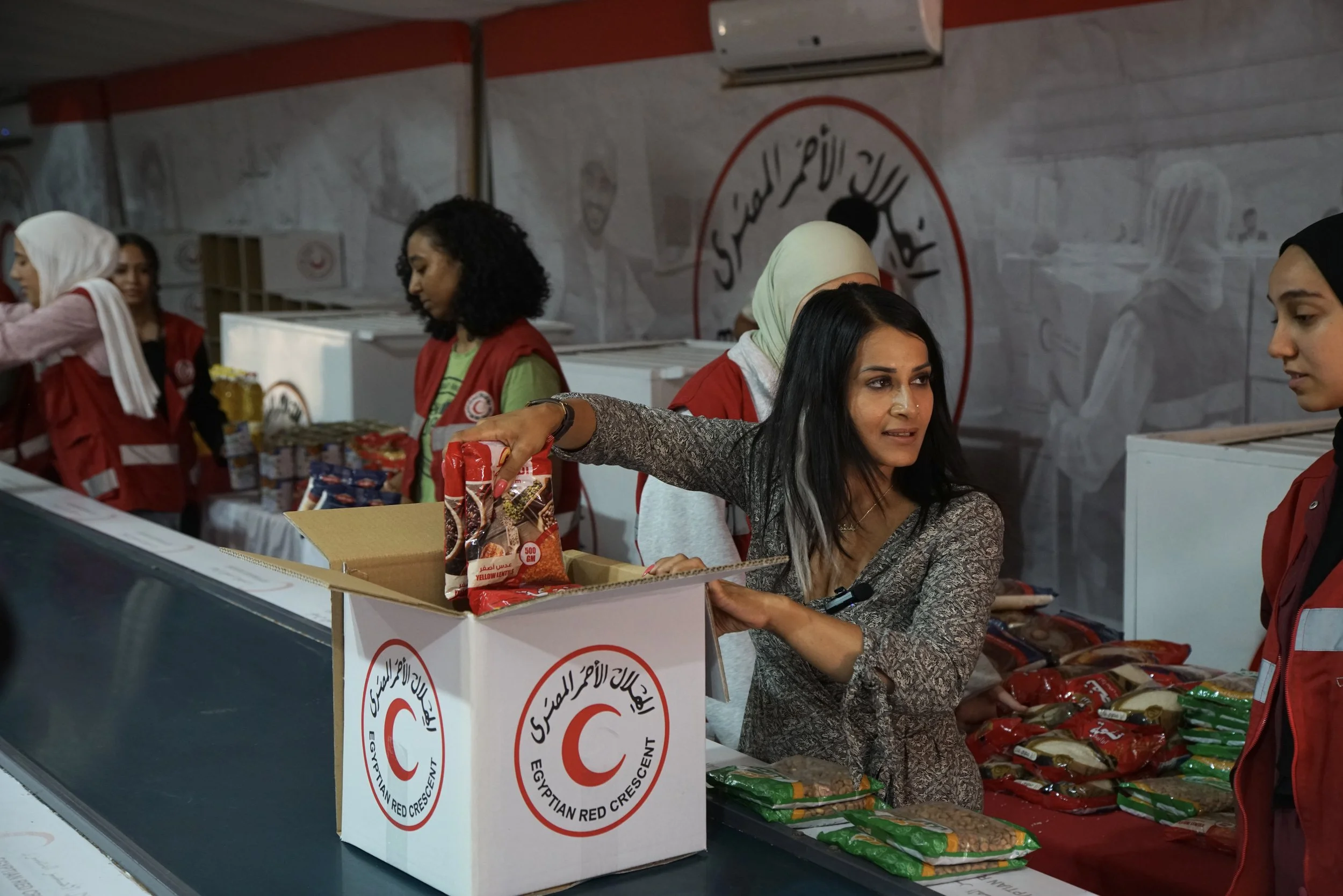
At the forefront of the humanitarian response to Gaza, the Egyptian Red Crescent (ERC) highlighted their work as Egypt's national coordinating mechanism for aid delivery, working with UN agencies, international humanitarian organisations, and the Egyptian Armed Forces to get food, medicines, fuel, and essential medical supplies into Gaza. In June 2026, the UK announced £3 million in funding to support humanitarian efforts for Gaza in Egypt, including support for ERC’s operations.
Meetings at the BBC World Service in Cairo highlighted a critical moment for British influence abroad. The Service provides a vital “lifeline” through its radio programming during major crises and conflicts, delivering verified news to people living in conflict zones, including Gaza and Sudan. It now reaches over 500 million people worldwide - a formidable asset in an era of hostile state narratives from Russia and China. Yet that reach sits in tension with its budget having fallen 21% in real terms over the past five years, despite a new three-year FCDO settlement announced this March.

The delegation also met with the British Council in Egypt, the oldest British Council in the world, established in Cairo in 1938. With 60% of Egypt's population under 30, the delegation heard how the Council connects young Egyptians with UK education and skills opportunities. Egypt ranks fourth globally as a host for UK transnational education, with around 39,000 students now enrolled in UK branch campuses.
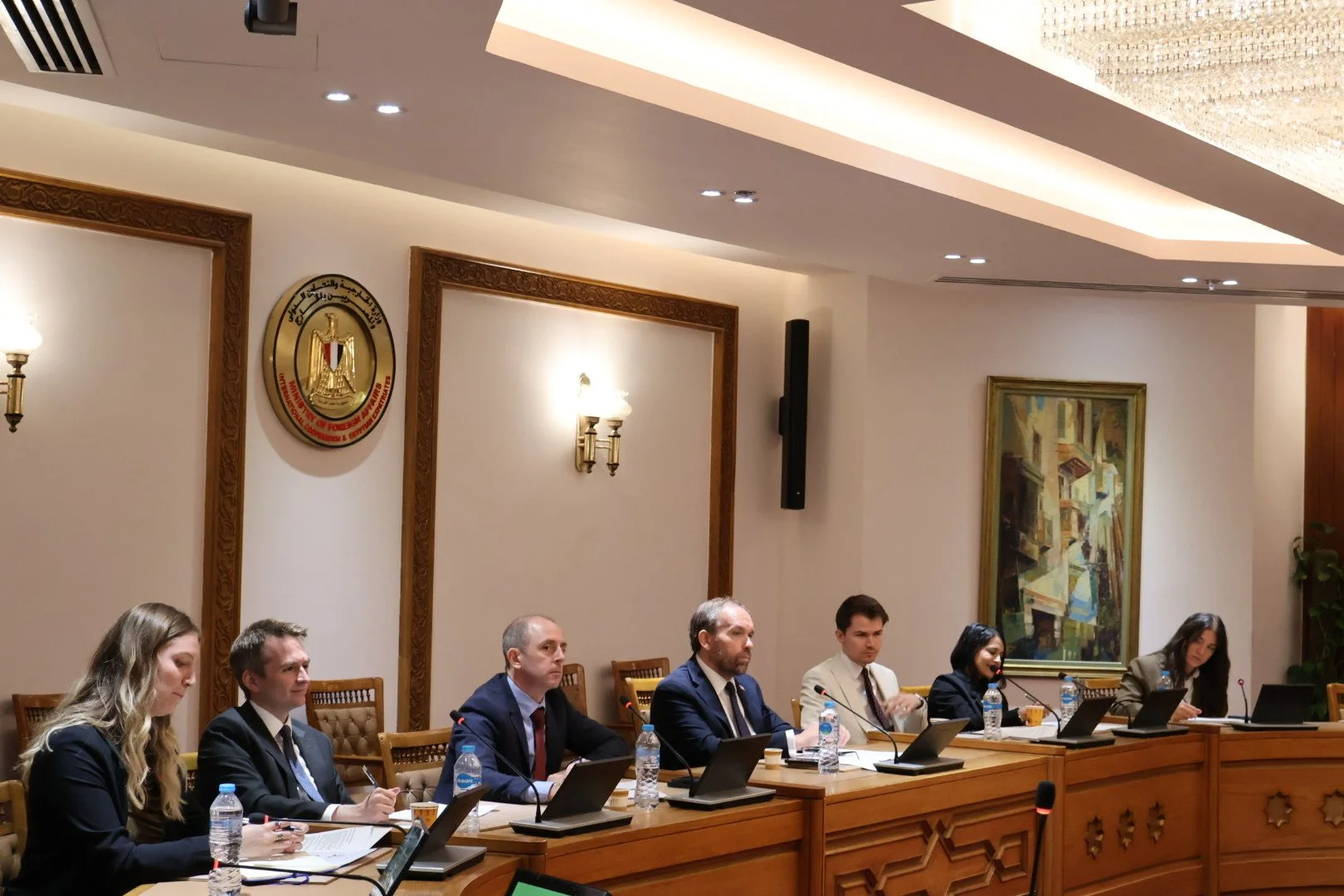
The delegation travelled to Egypt's New Administration Capital for meetings at the Ministry of Foreign Affairs, International Cooperation and Egyptian Expatriates, discussing the UK-Egypt cooperation on regional security, migration, and trade.
The visit reaffirmed Egypt's place as one of the UK's most consequential partners in the region. It is a country absorbing the world's largest active refugee crisis and building a private sector ready to deepen ties with Britain. As migration pressures are mounting and competition for global influence is intensifying, the relationship the delegation encountered will only grow in importance.