Kenya - May 2026
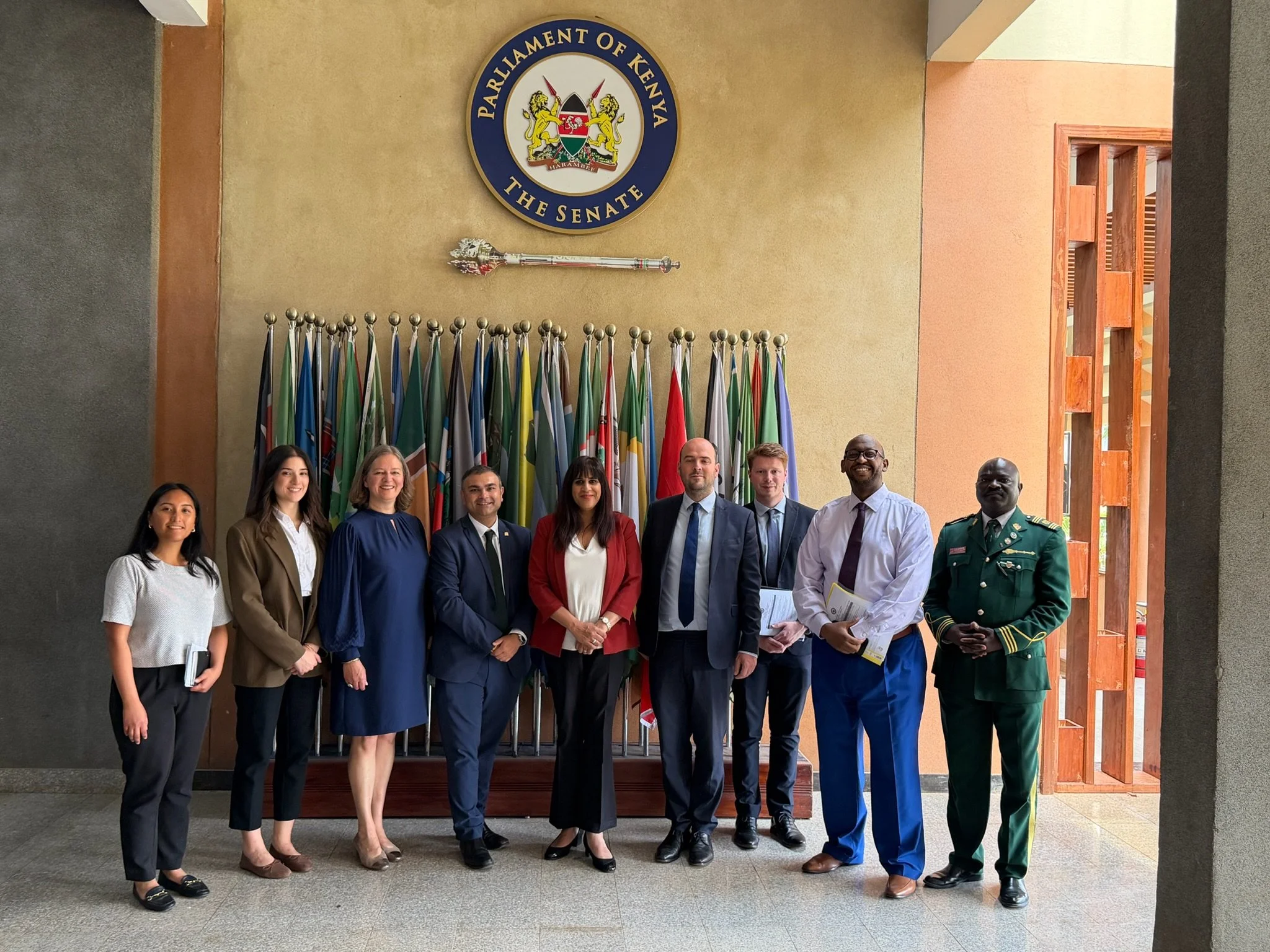
In May 2026, the Coalition for Global Prosperity facilitated a cross-party parliamentary delegation to Kenya, at a time of growing geopolitical, security and economic volatility across the Horn of Africa. Joined by 4 parliamentarians including Fleur Anderson MP (LAB), Rt Hon Richard Holden MP (CON), Peter Bedford MP (CON), and Sureena Brackenridge MP (LAB), the delegation engaged in a range of high-level meetings and visits which explored the breadth of the UK-Kenya bilateral relationship across trade and investment, security and defence, development, and the humanitarian response to regional displacement.
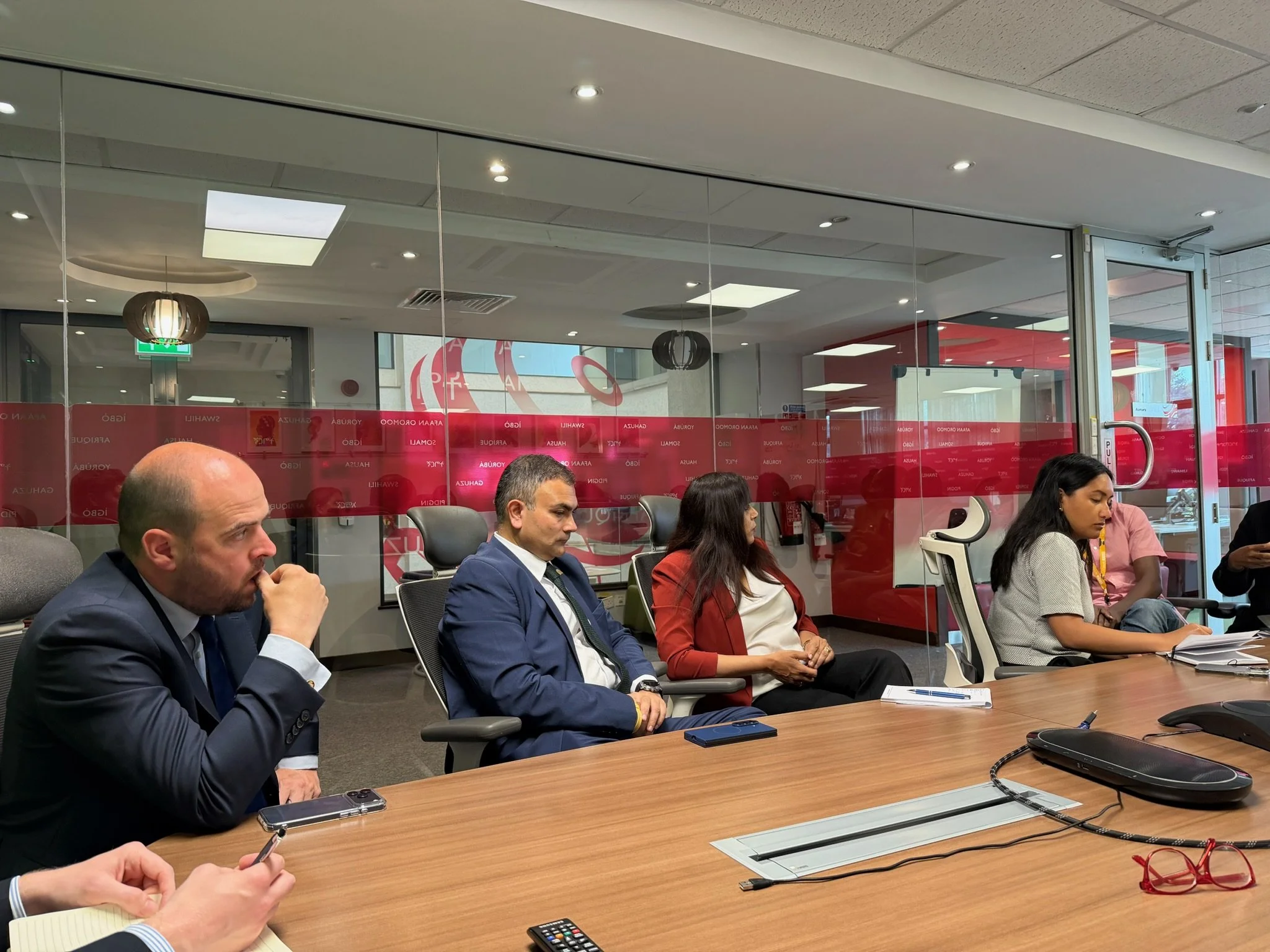
The delegation met with senior representatives at the British High Commission in Kenya to discuss the four pillars of the UK-Kenya Strategic Partnership: investment and trade, climate resilience, science and technology, and security, and the role of ODA in supporting them. Discussions highlighted the UK’s increasing focus on integrating development objectives across all pillars of the partnership, while leveraging trade and investment to drive growth as aid budgets decline. Representatives pointed to Kenya’s significant economic potential, particularly in renewable energy and highlighted opportunities to deepen two-way investment between the UK and Kenya.
Kenya's role as a key security partner also featured prominently. A briefing from the UK's Deputy Defence Attaché highlighted the contribution of the British Army Training Unit Kenya (BATUK) to strengthening the capabilities of the Kenyan Defence Forces and supporting wider regional counter-terrorism efforts. Discussions underscored the importance of the defence relationship in promoting security and stability across East Africa.
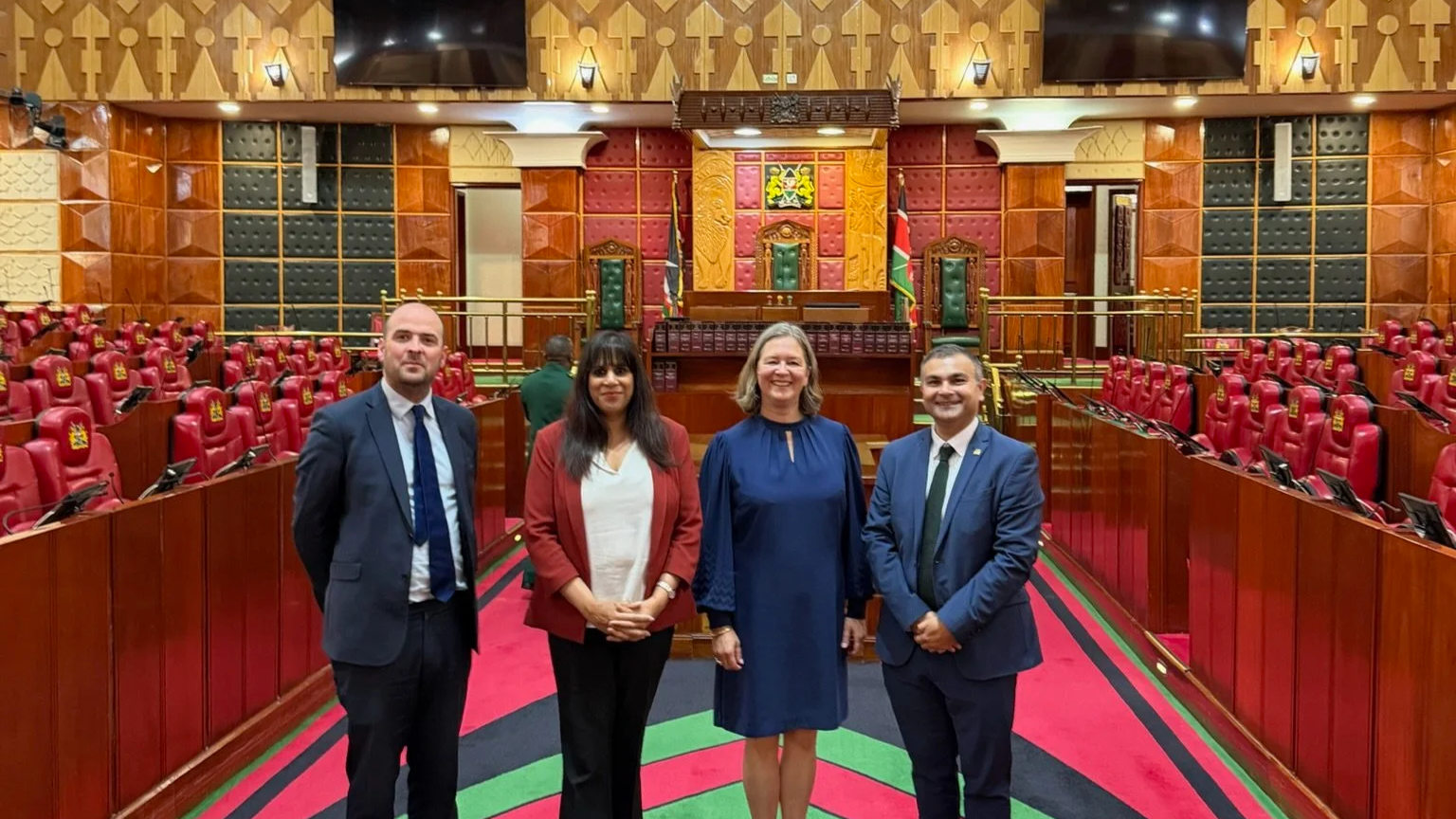
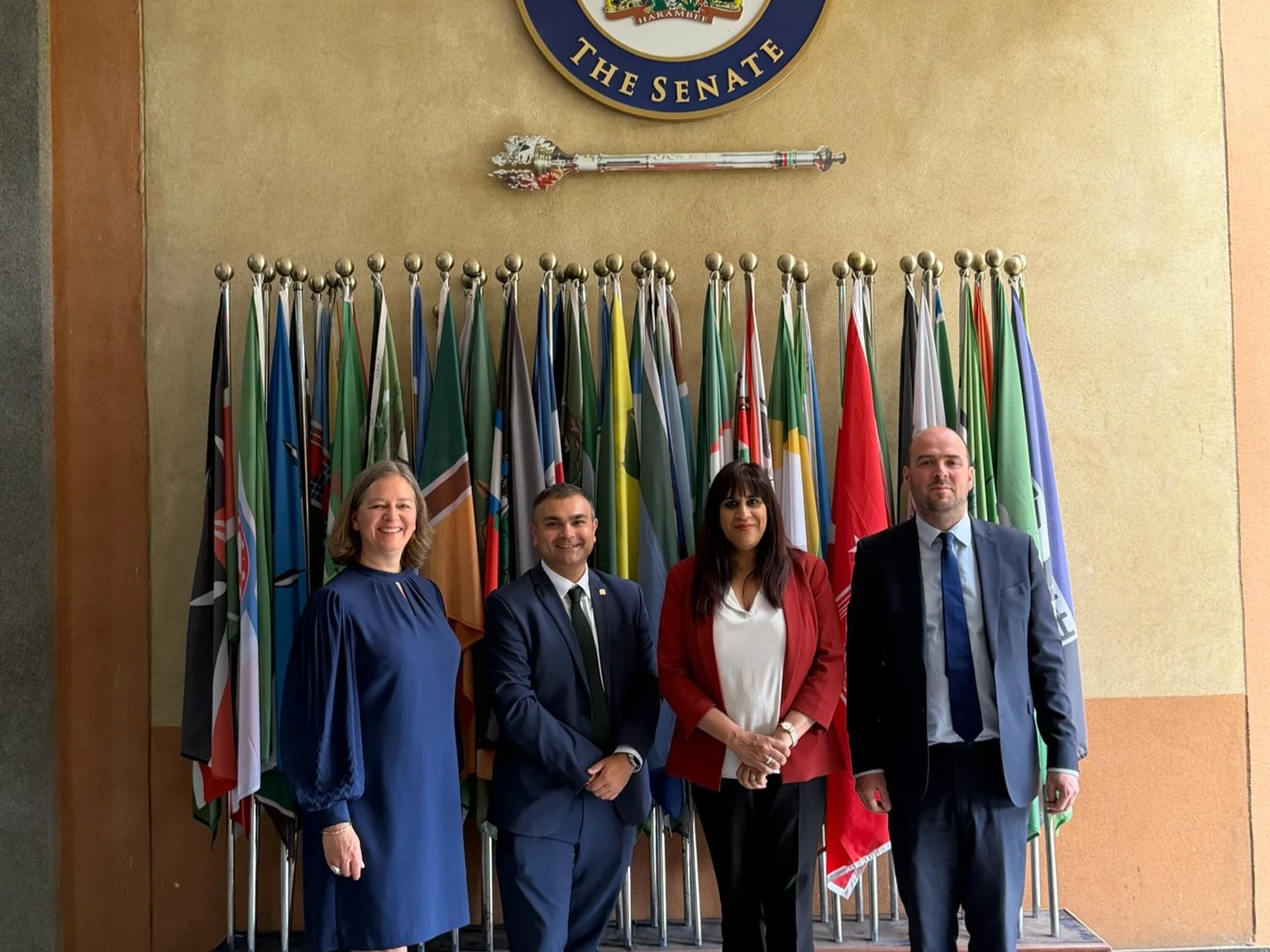
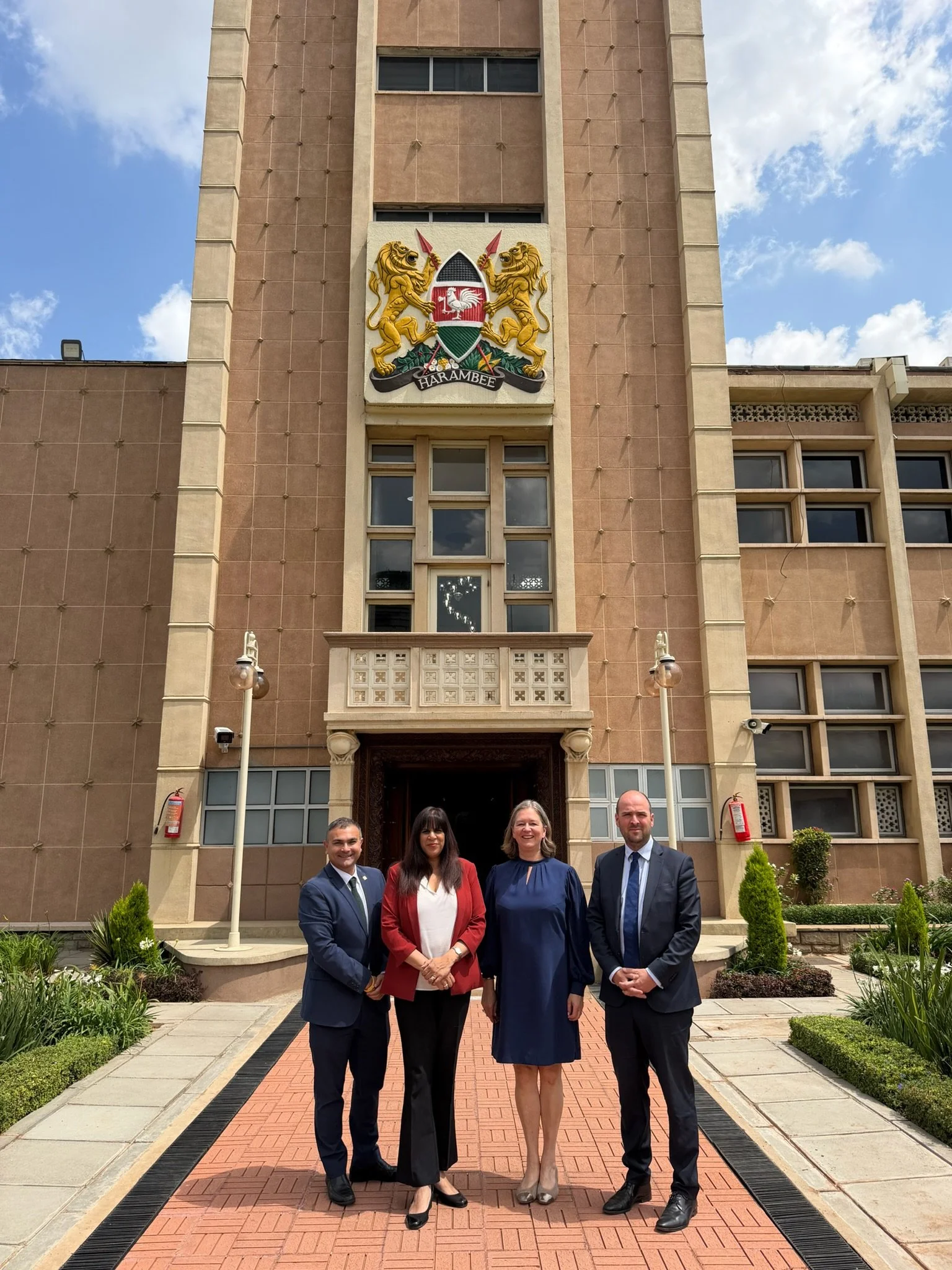
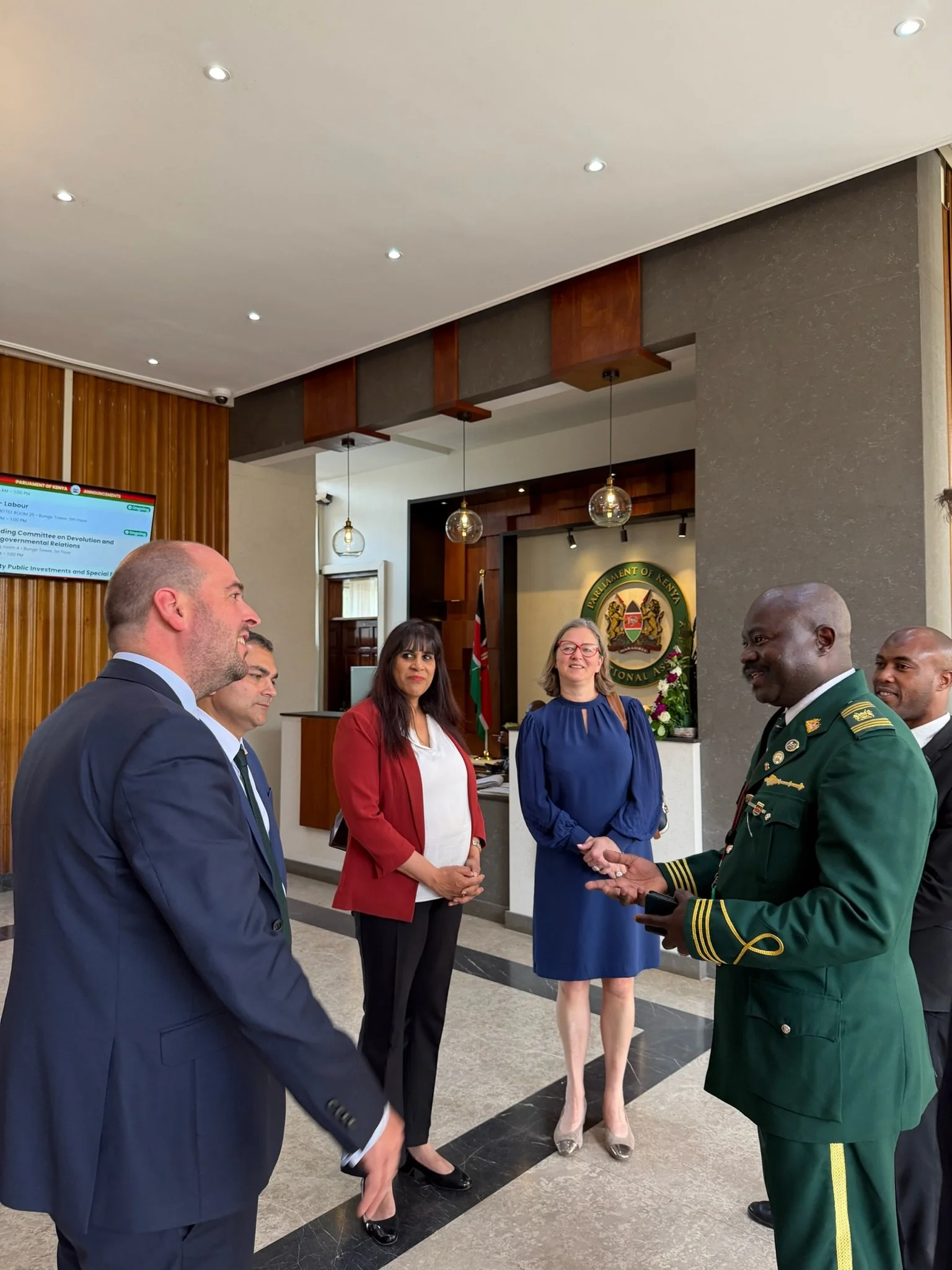
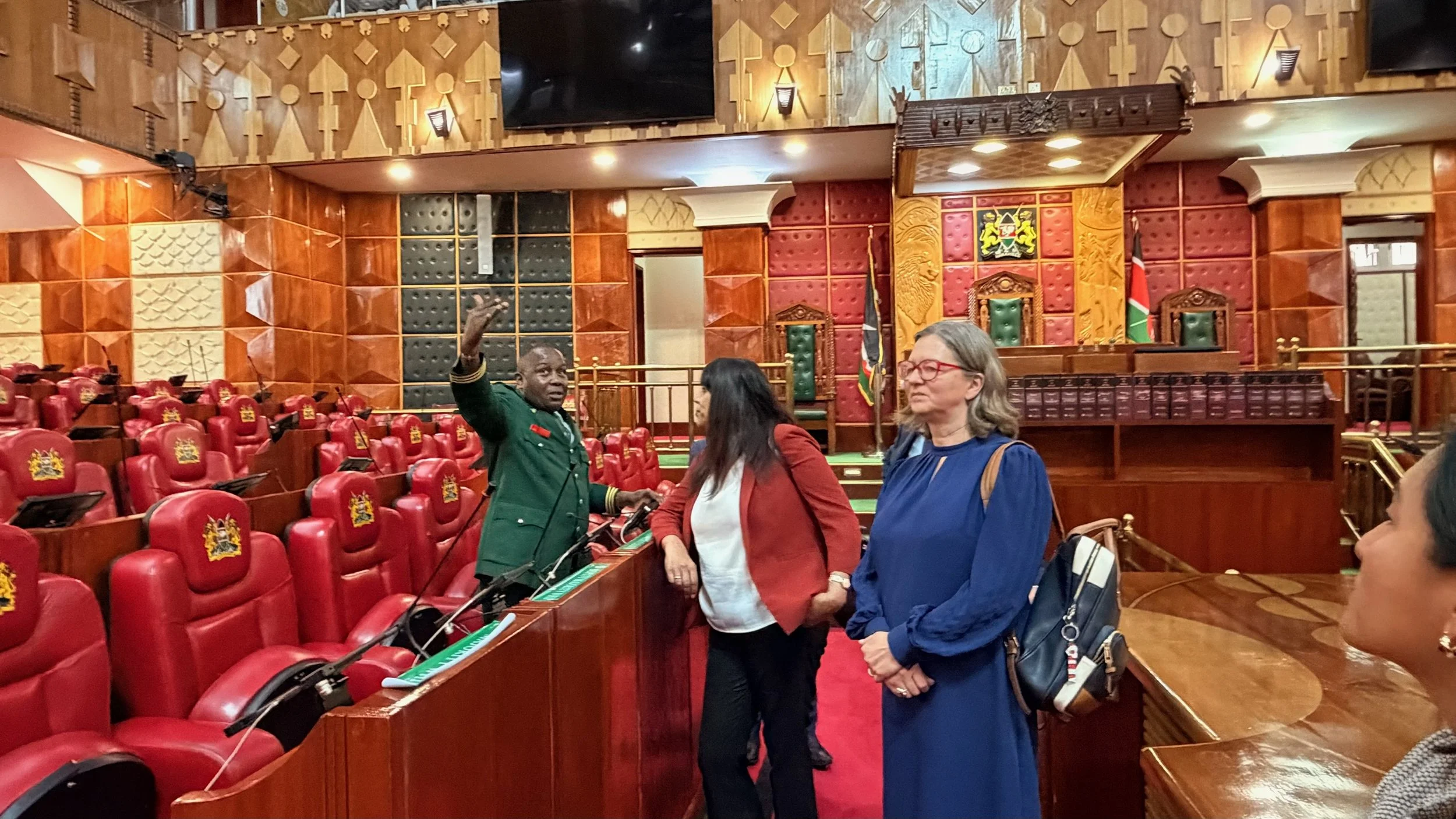
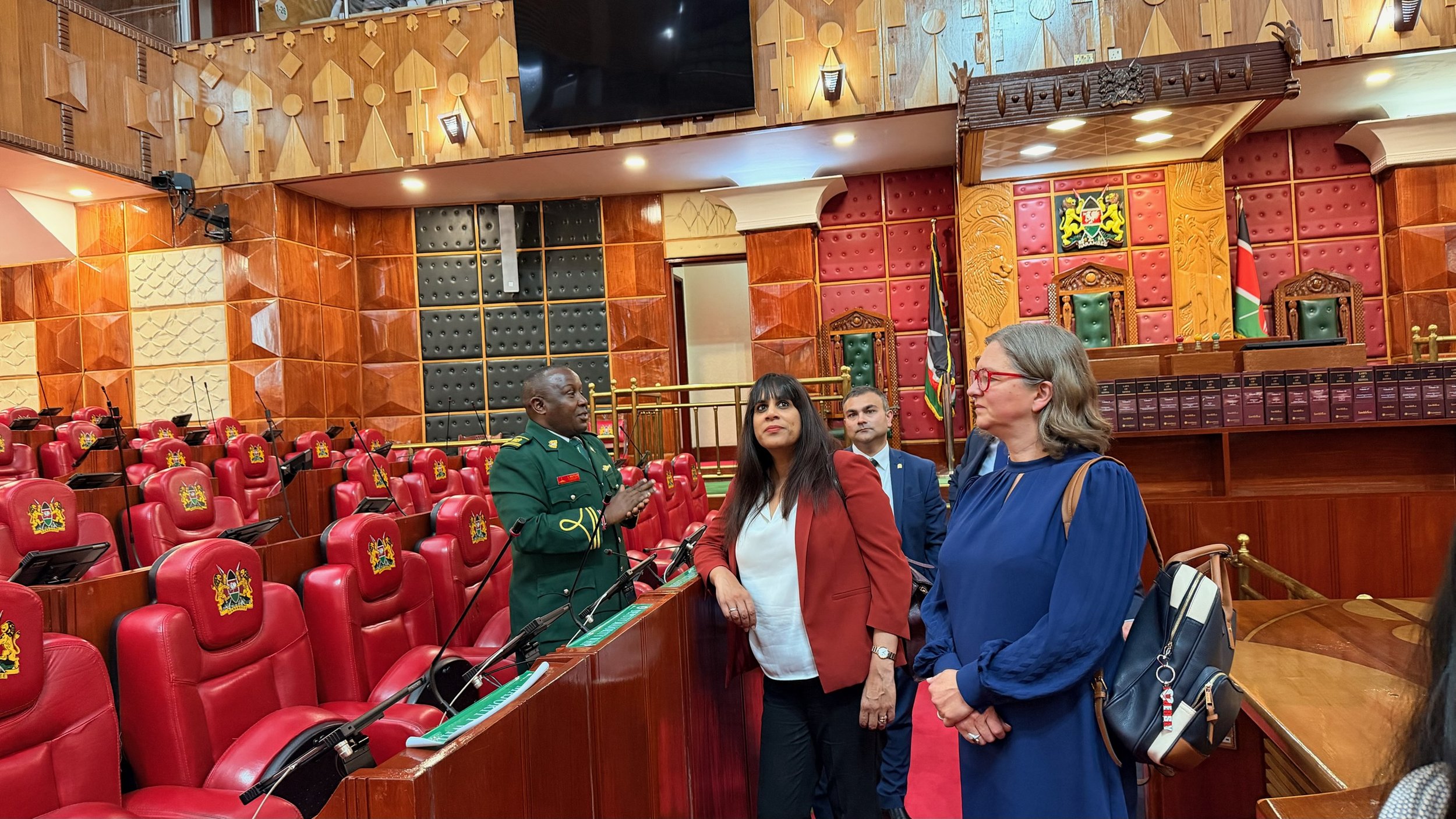
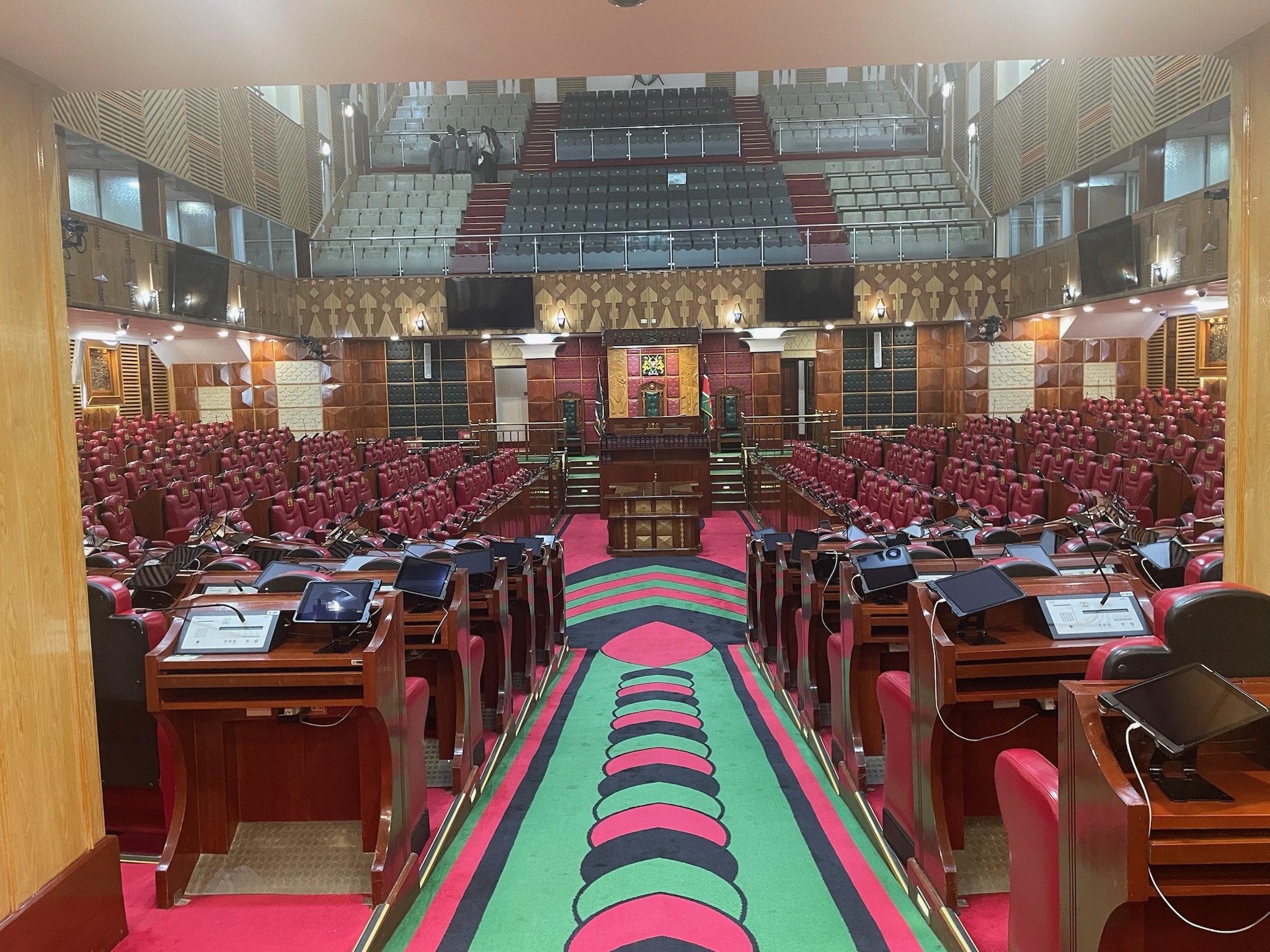
These themes were reinforced with meetings with senior members of the Kenyan Parliament’s Departmental Committee on Administration and Internal Security, and the Departmental Committee on Defence, Intelligence and Foreign Relations. Members expressed strong support for the UK-Kenya relationship on security cooperation and defence engagement, describing it as central to Kenya’s internal stability and counter-terrorism efforts. Discussions also covered wider collaboration with the UK Metropolitan Police Service, including support for the establishment of the Nairobi Metropolitan Police Unit, drawing on UK institutional expertise and operational experience.
Kenya’s position as East Africa’s largest economy and regional gateway underpinned much of the programme’s discussions on economic development. The delegation heard about efforts to strengthen bilateral trade, currently valued at £2.1 billion, through increased investment, improved market access and deeper commercial partnerships between the two countries.
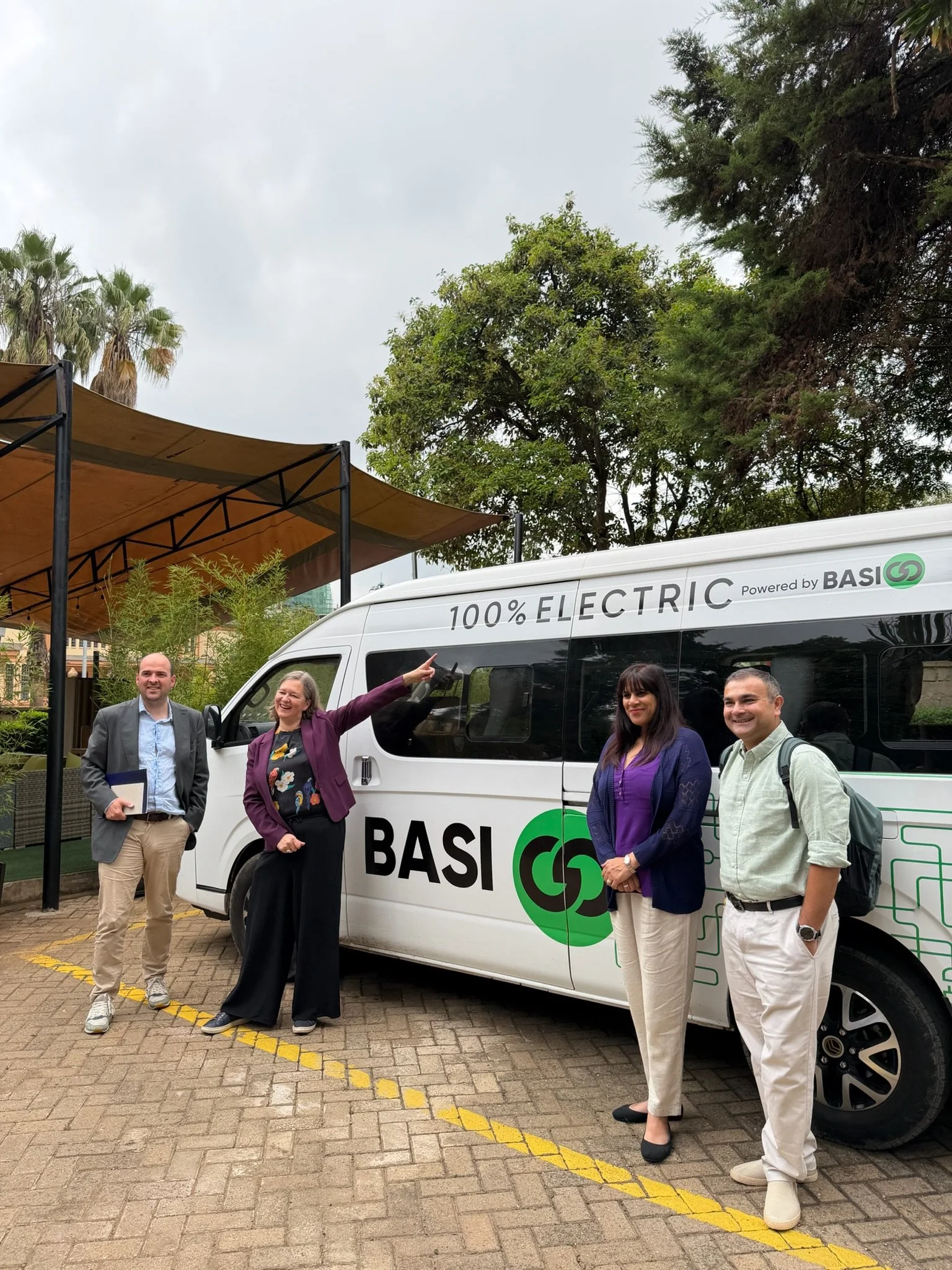
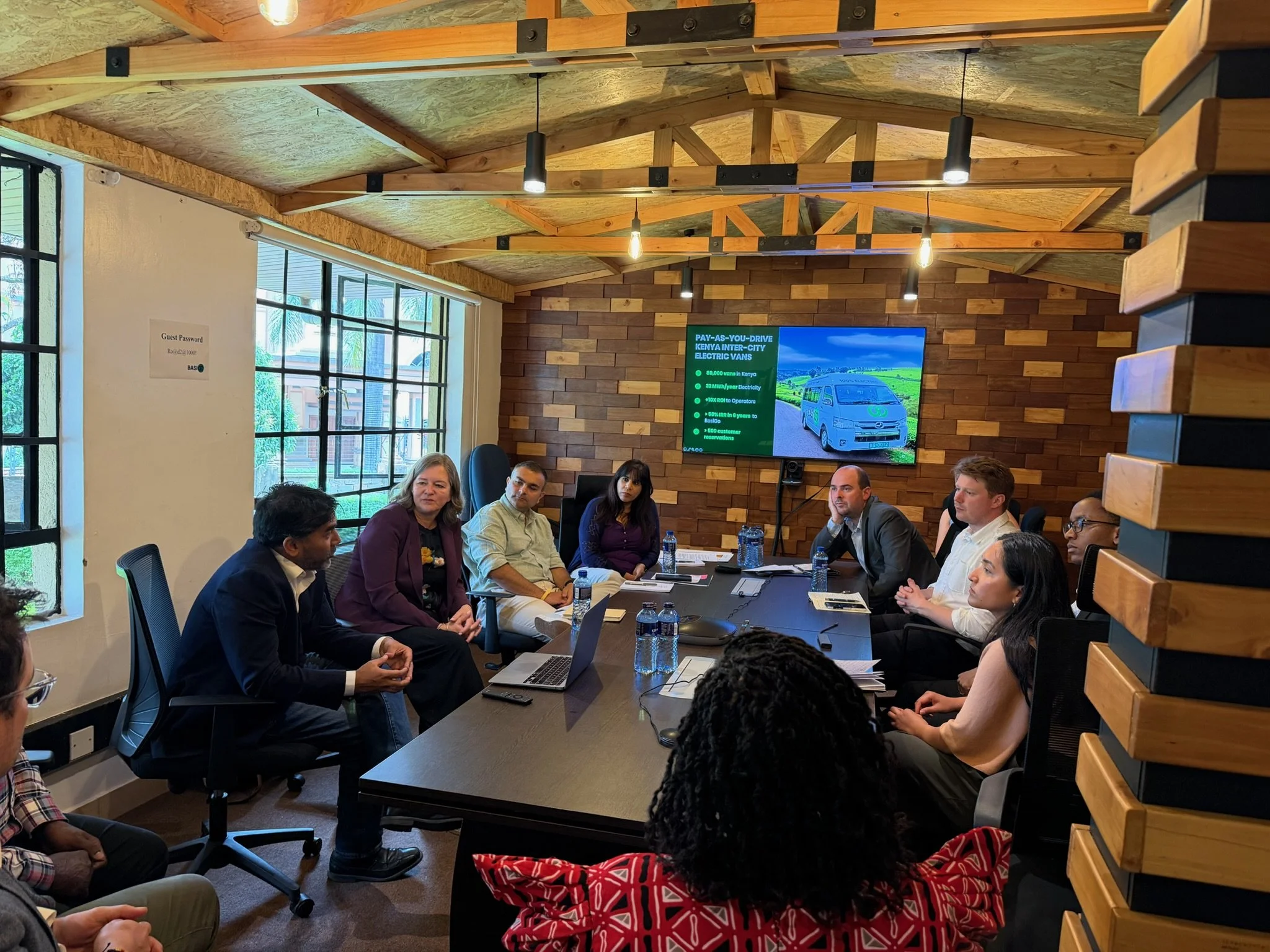
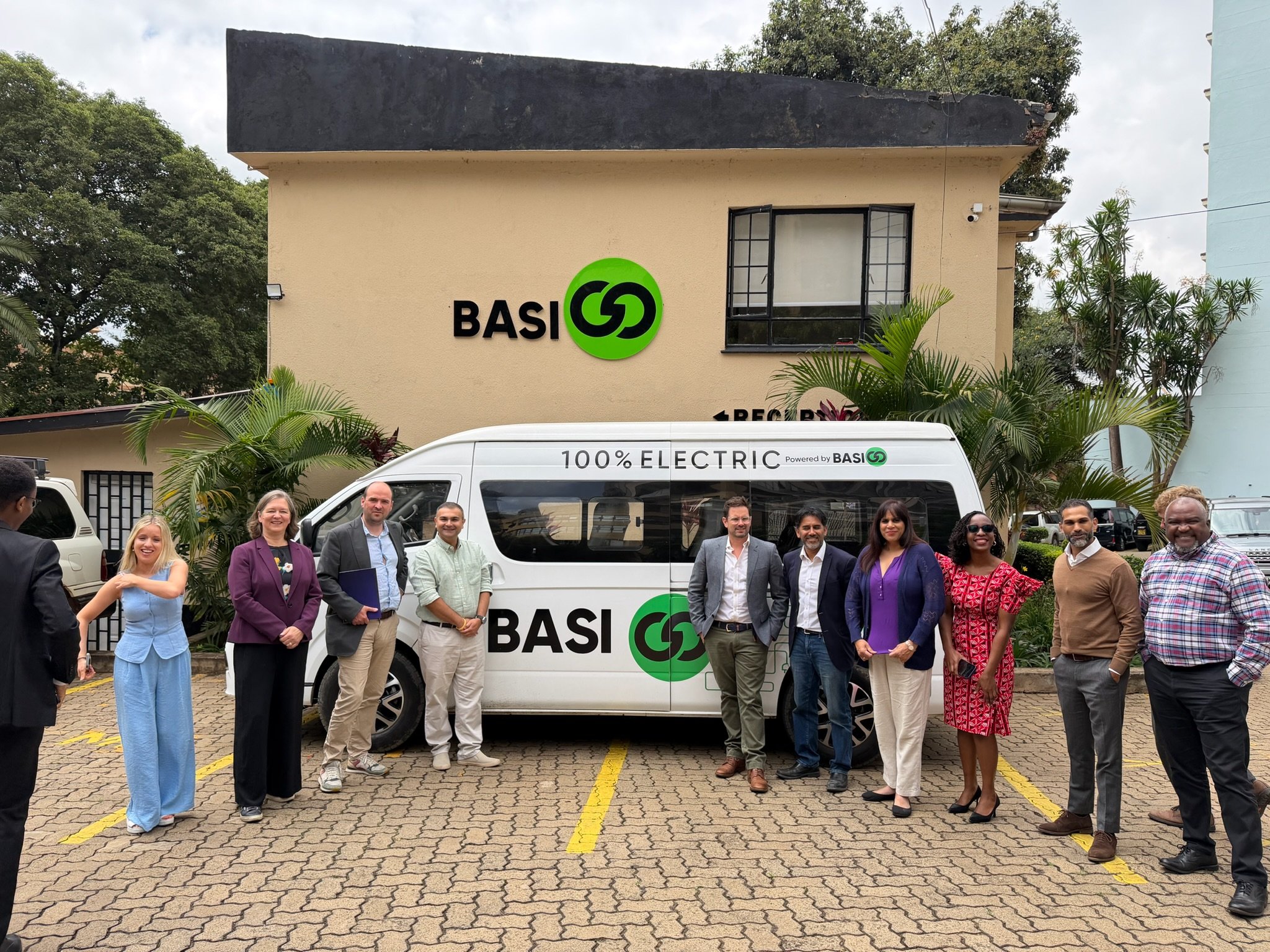
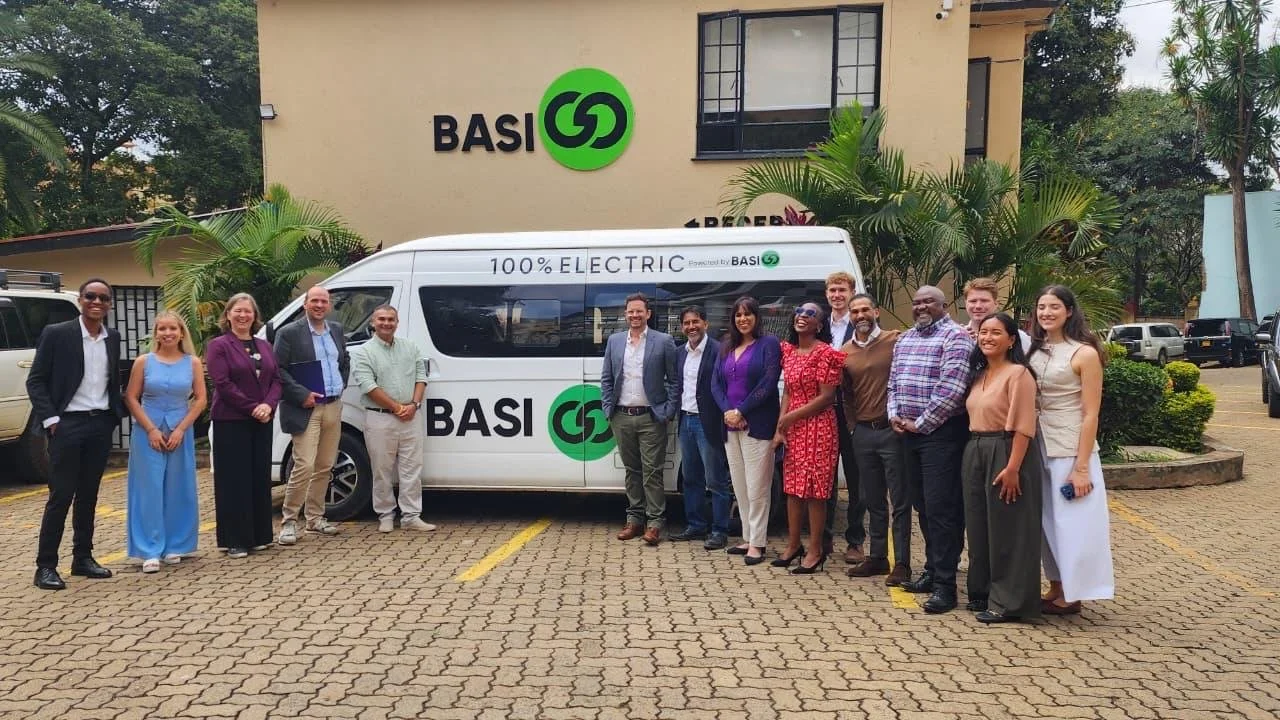
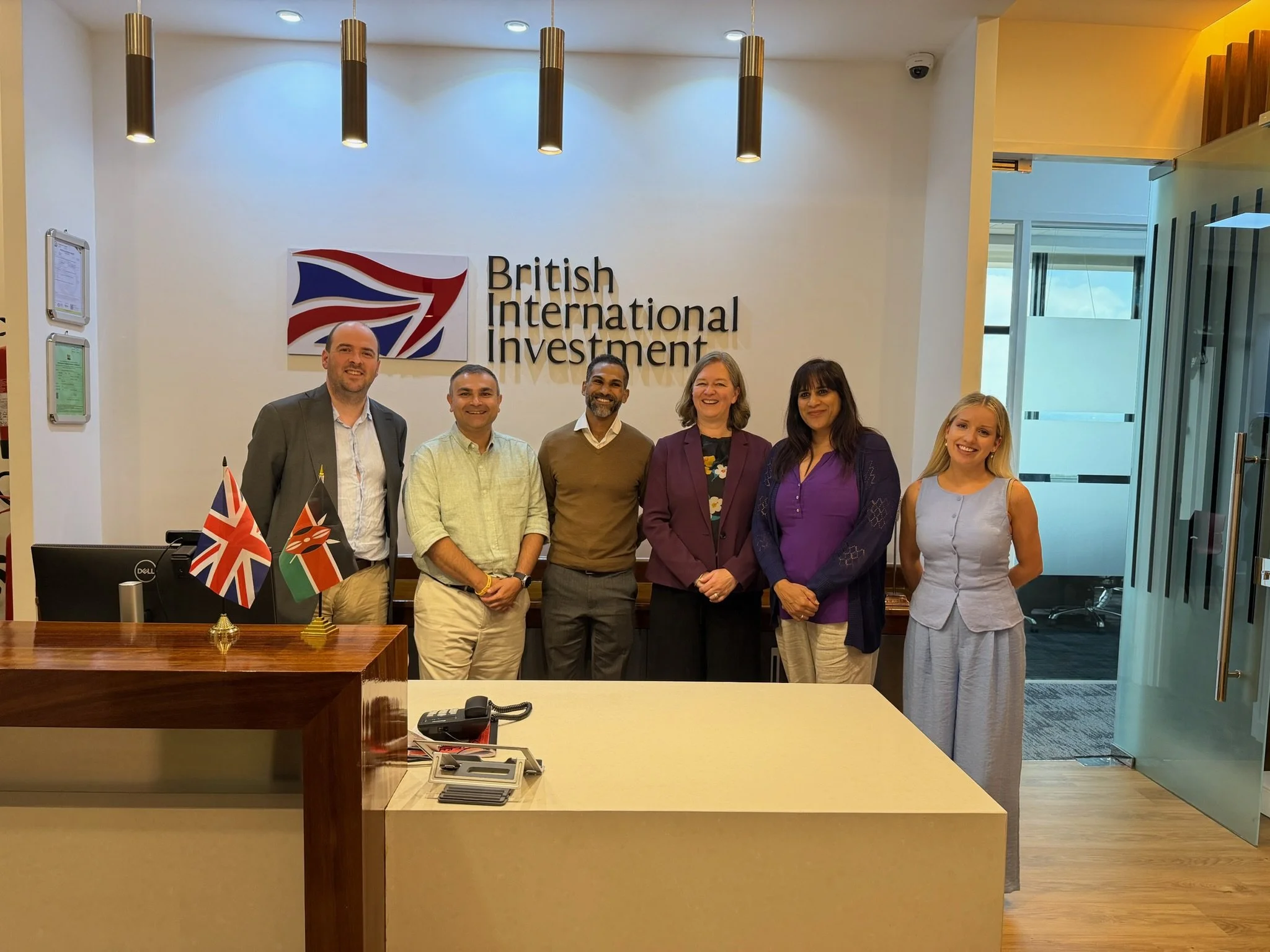
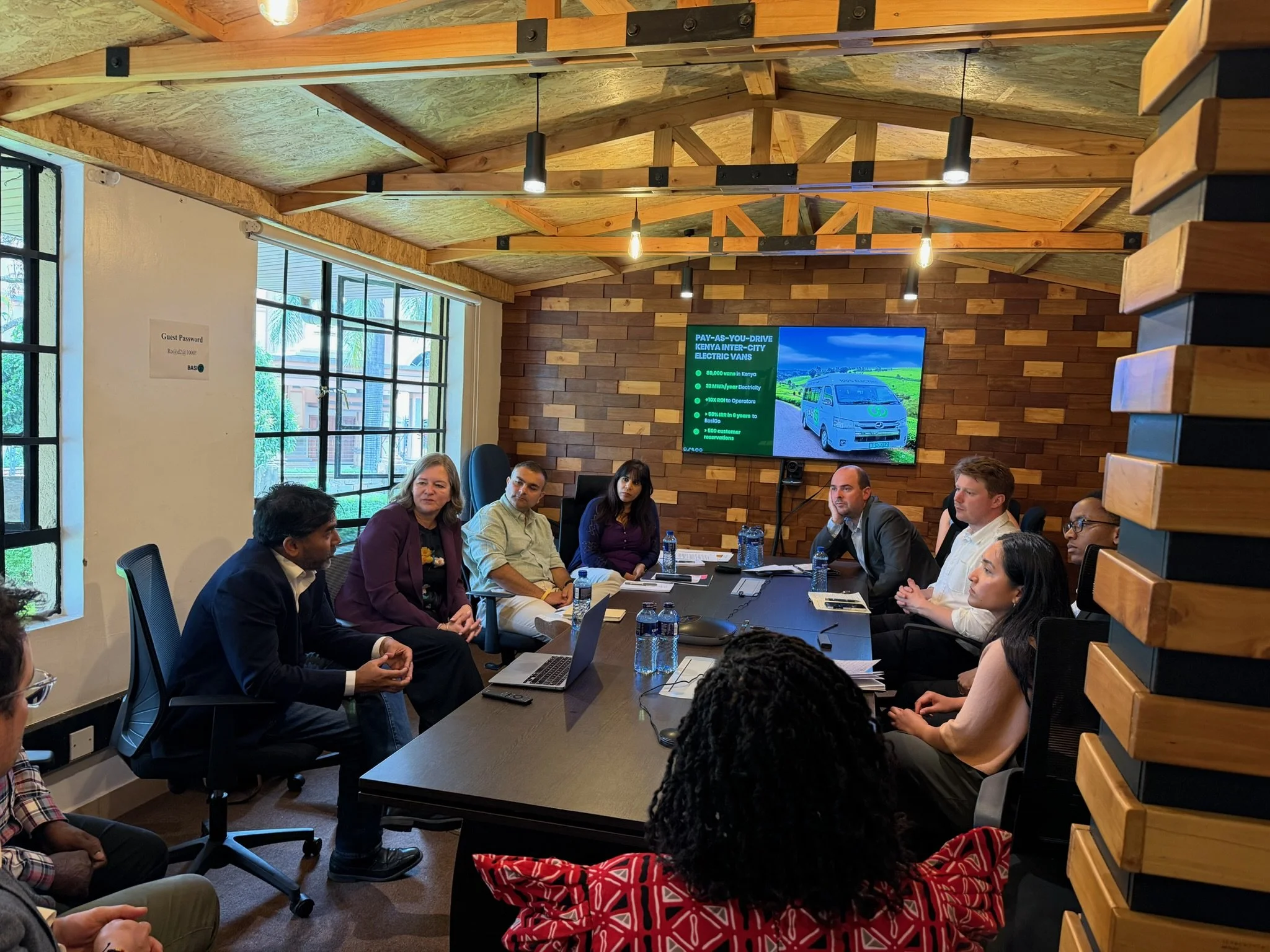
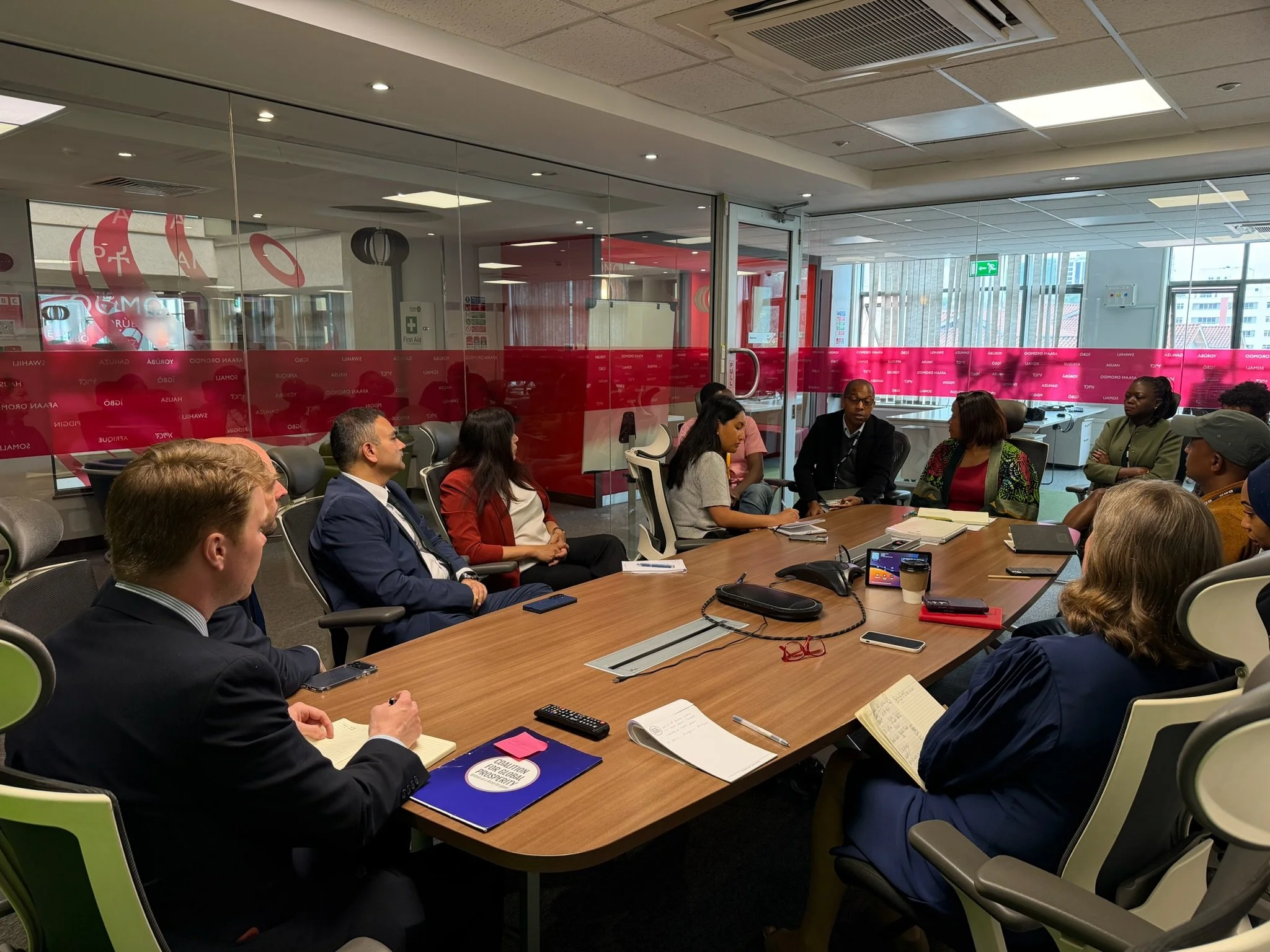
Against the backdrop of the Global Partnerships Conference in London, which emphasised leveraging private capital and development finance, the delegation met with British International Investment (BII) to discuss how private sector-led growth is contributing to economic transformation. This included a visit to ‘BasiGo’ an electric bus company operating in Kenya’s urban transport sector and supported by BII financing.
The visit to BasiGo’s operational site in Nairobi took place amid recent fuel price protests in Kenya, linked to wider volatility in global energy markets, including disruptions arising from Russia's invasion of Ukraine and instability in key shipping routes such as the Strait of Hormuz. These pressures have contributed to sharp fluctuations in fuel costs, underscoring the relevance of low-emission transport solutions. With approximately 90% of Kenya's electricity generated from renewable and clean energy sources, the delegation learnt about how UK-backed investment through BII in an electric bus company represents both an economic and environmental opportunity for one of Africa's most congested cities.
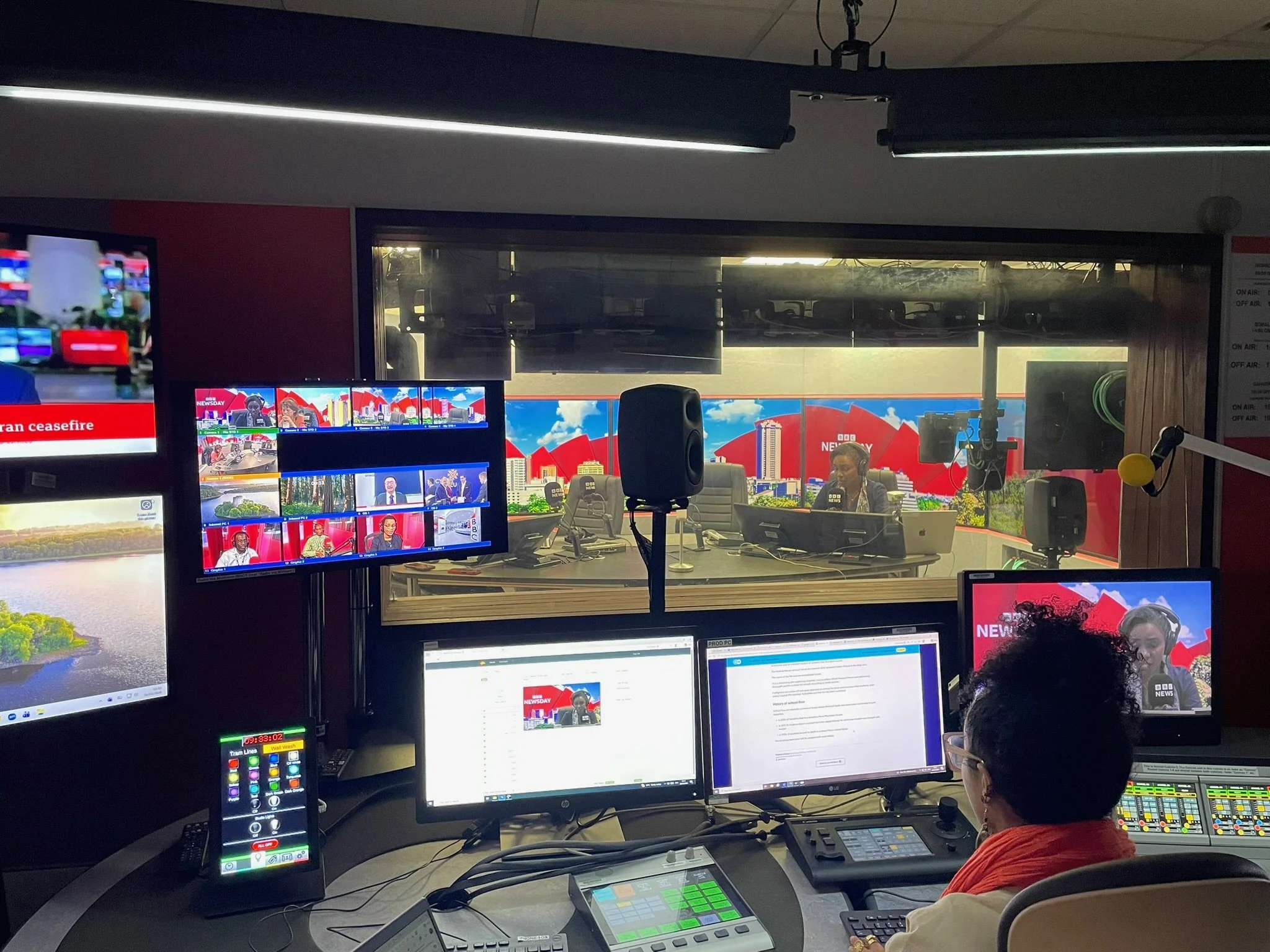
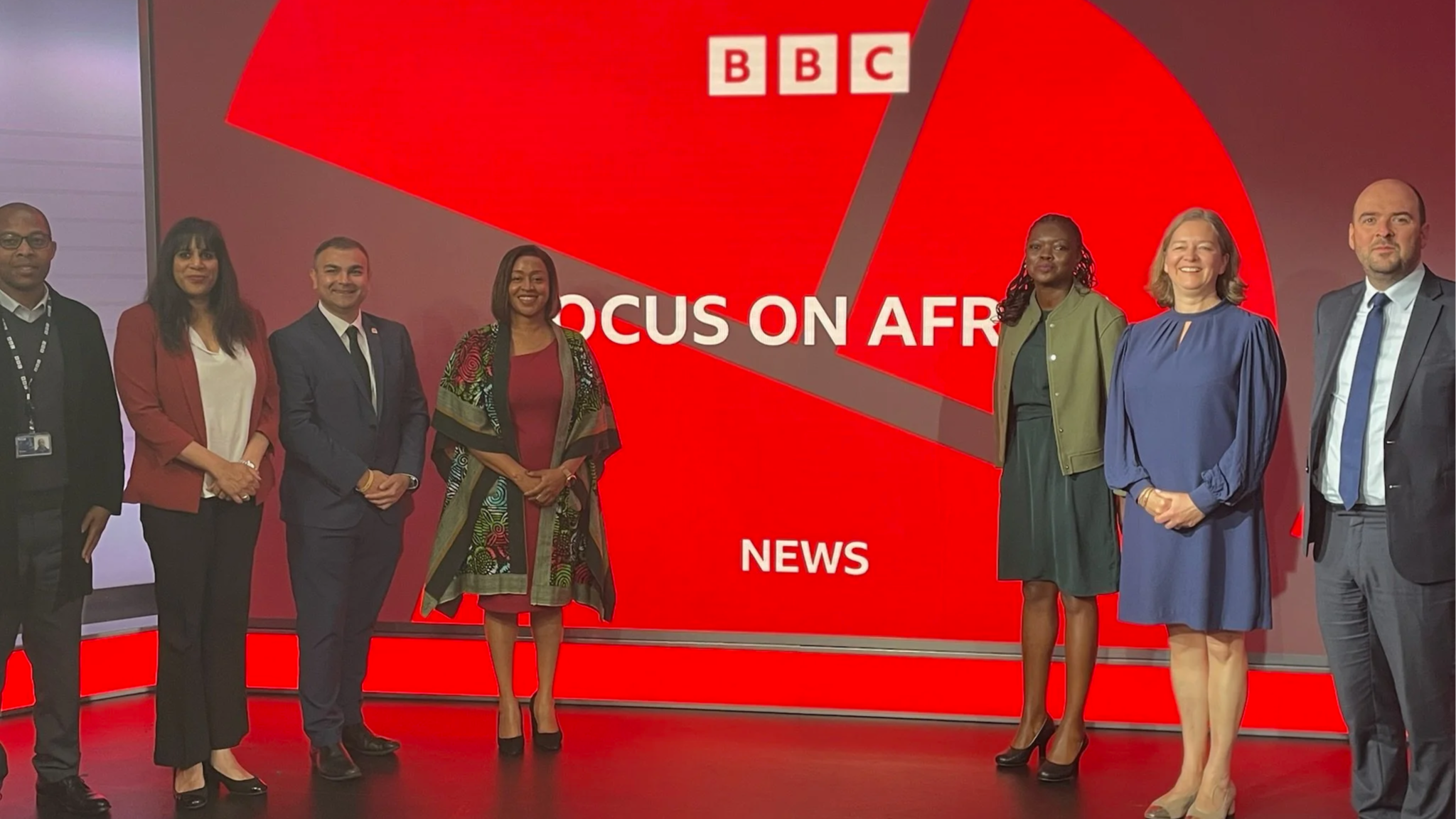
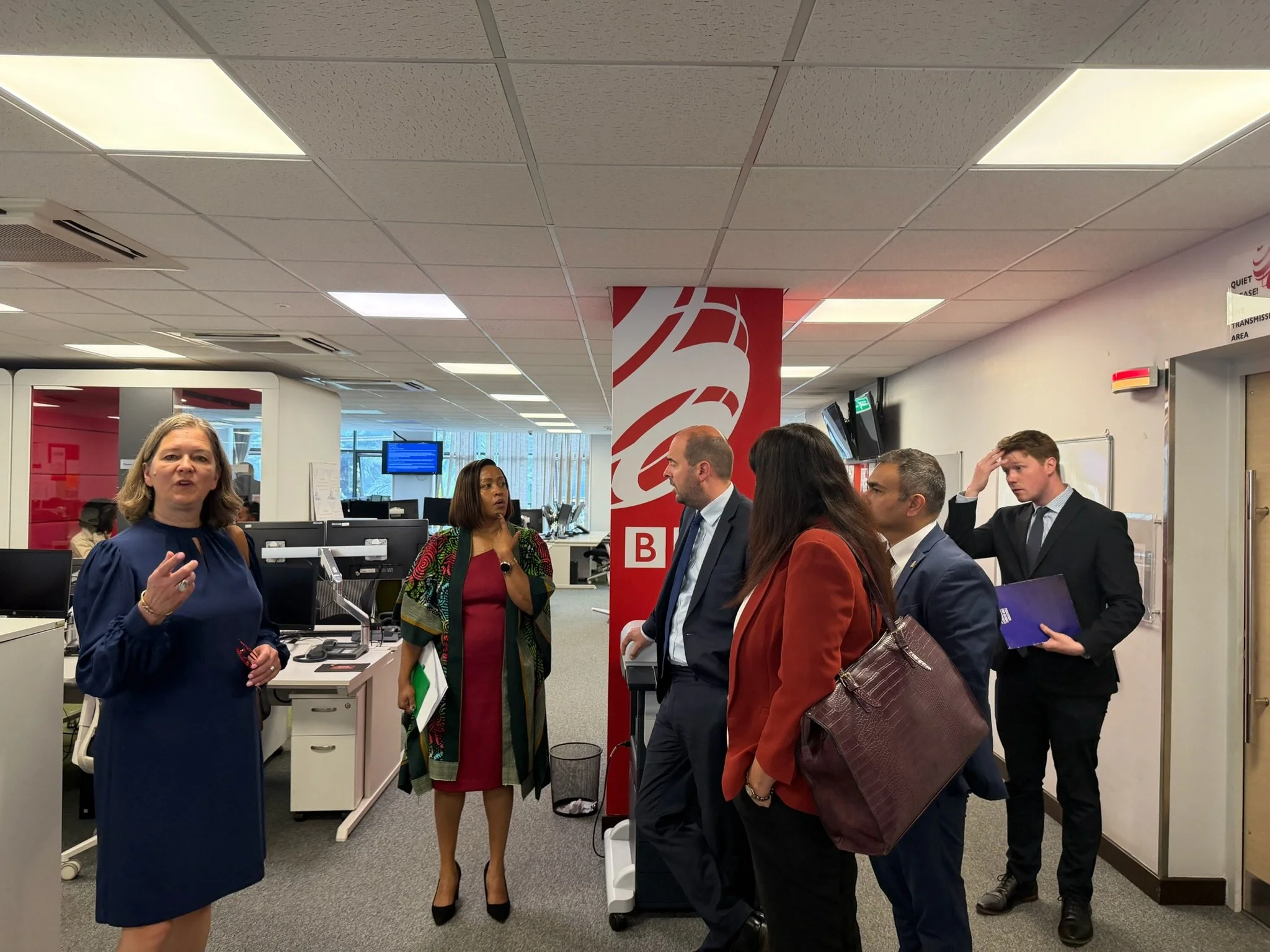
Alongside BII, the delegation met with BBC World Service, one of the UK’s key soft power assets supported by UK-ODA funding to provide trusted international news whilst also countering misinformation campaigns by malign actors. Discussions highlighted how increasing competition in global information campaigns, with Russia and China investing an estimated £6-8 billion per year in international media activities via proxy outlets, are undermining democratic institutions, often with anti-Western narratives. In contrast, the BBC World Service receives £148 million per year in Grant-in-Aid funding for the next three years.
Further to this, concerns were raised that reductions in USAID funding and the subsequent withdrawal of Voice of America from language markets where the BBC World Service does not operate has created gaps in coverage, increasing the space for disinformation and underscoring the importance of UK funding fit to keep pace with rising production costs and growing global demand.
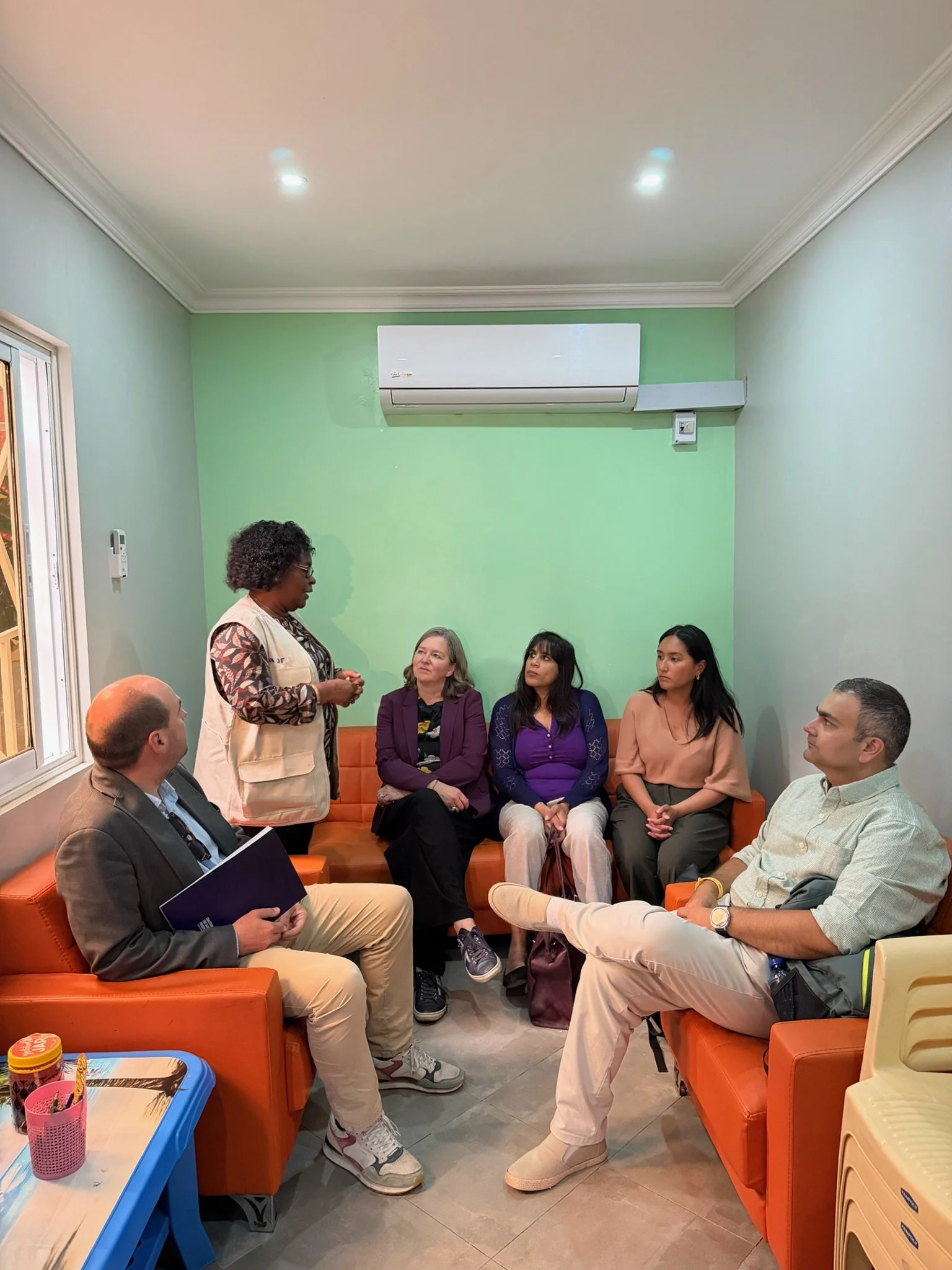
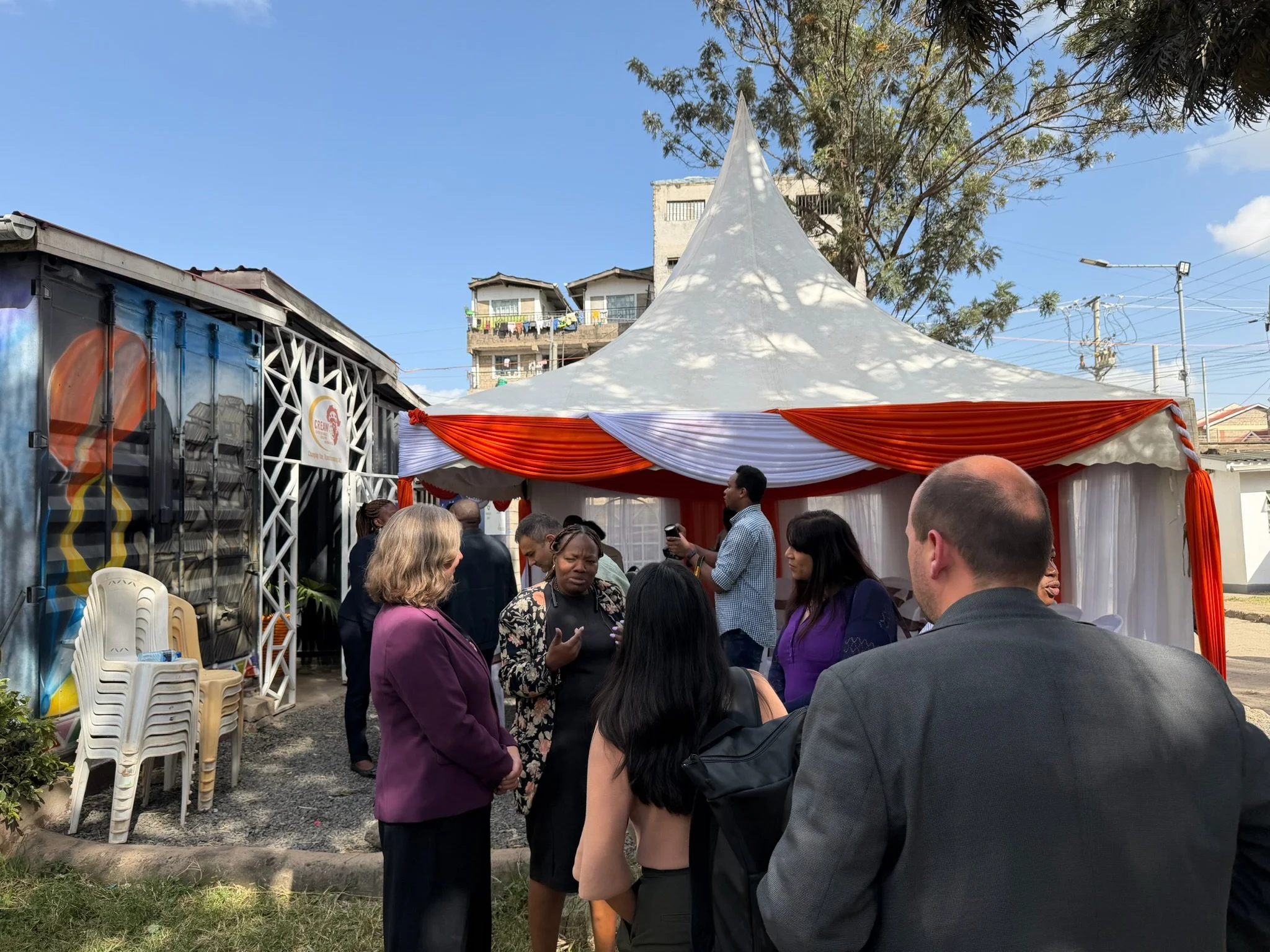
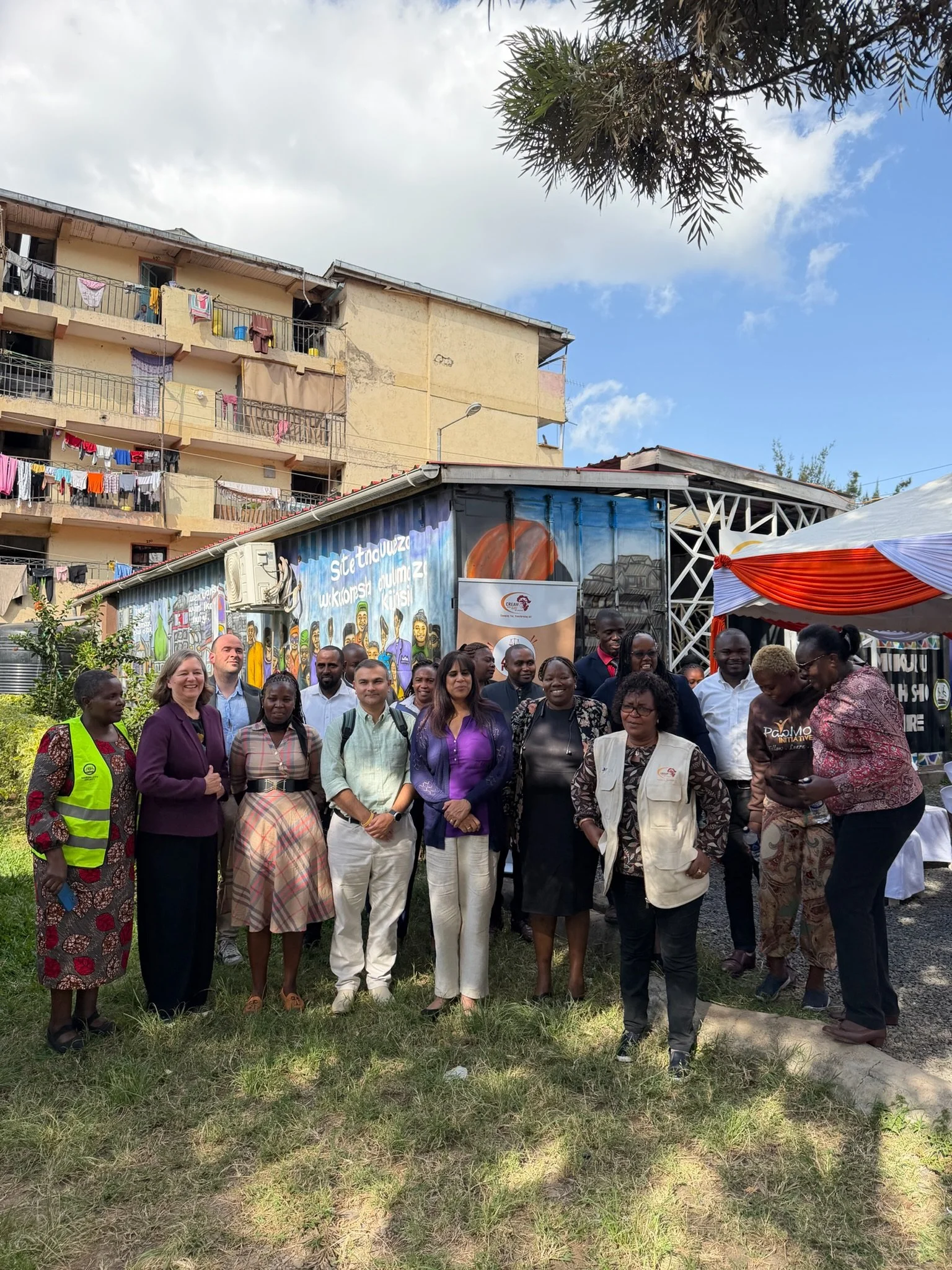
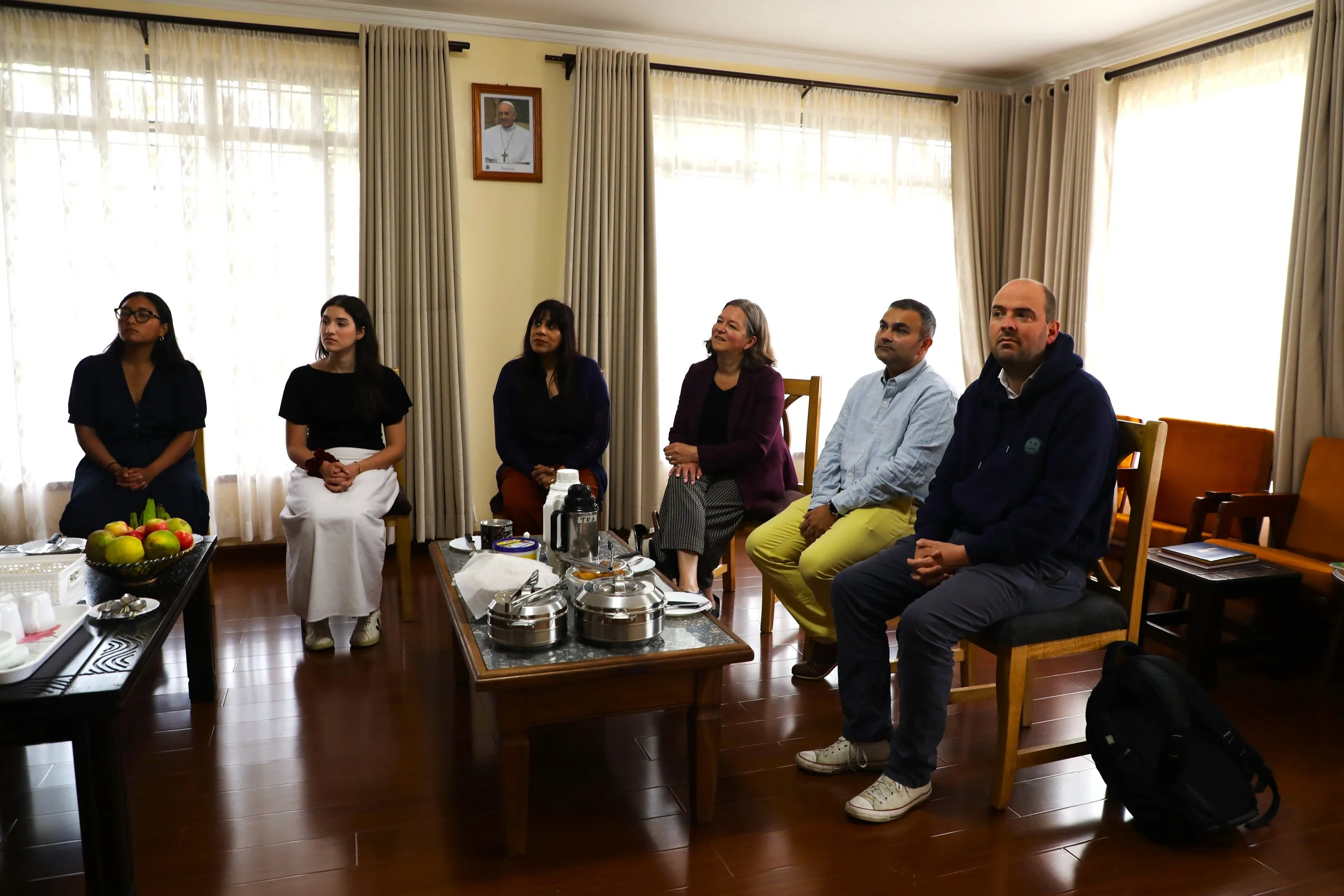
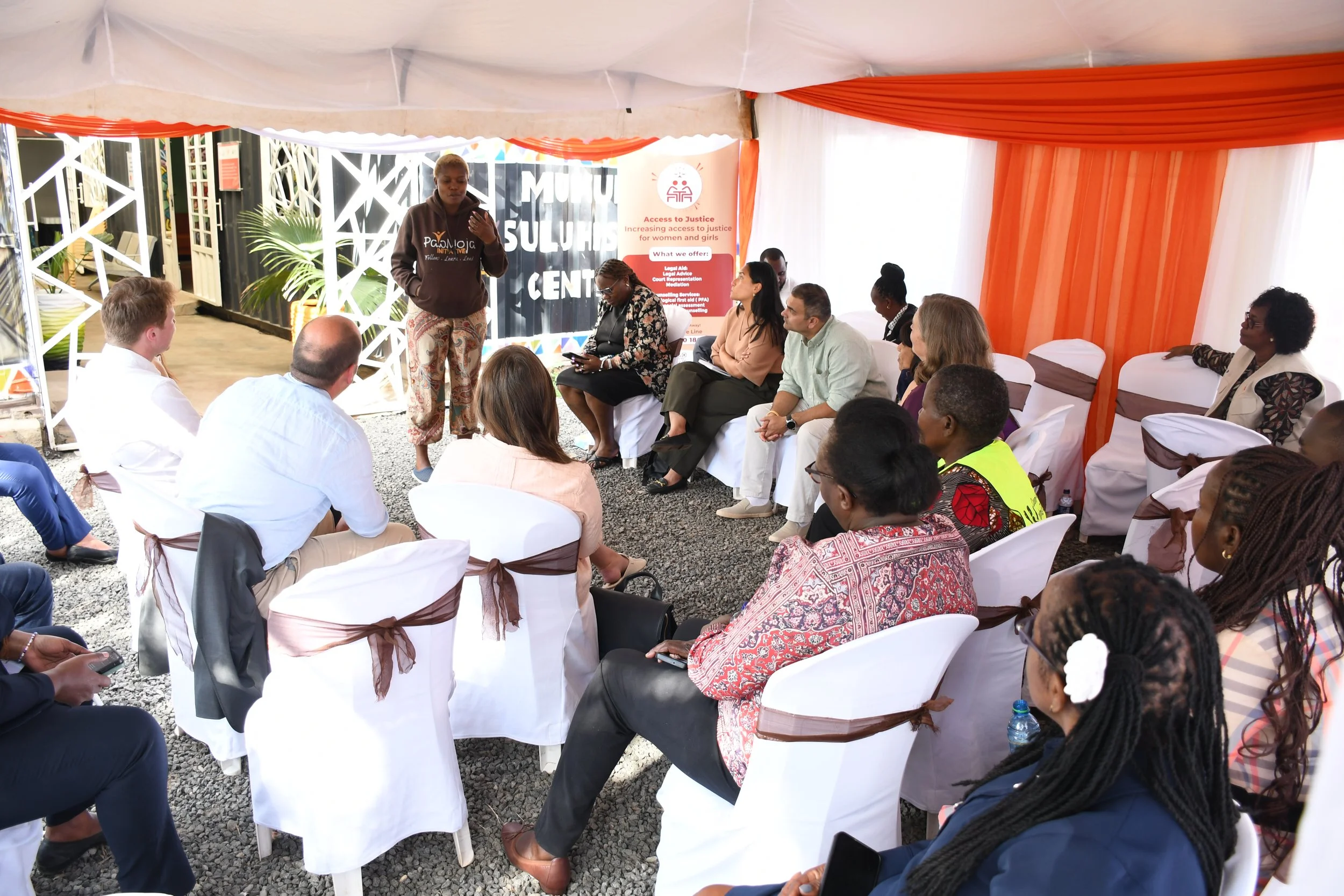
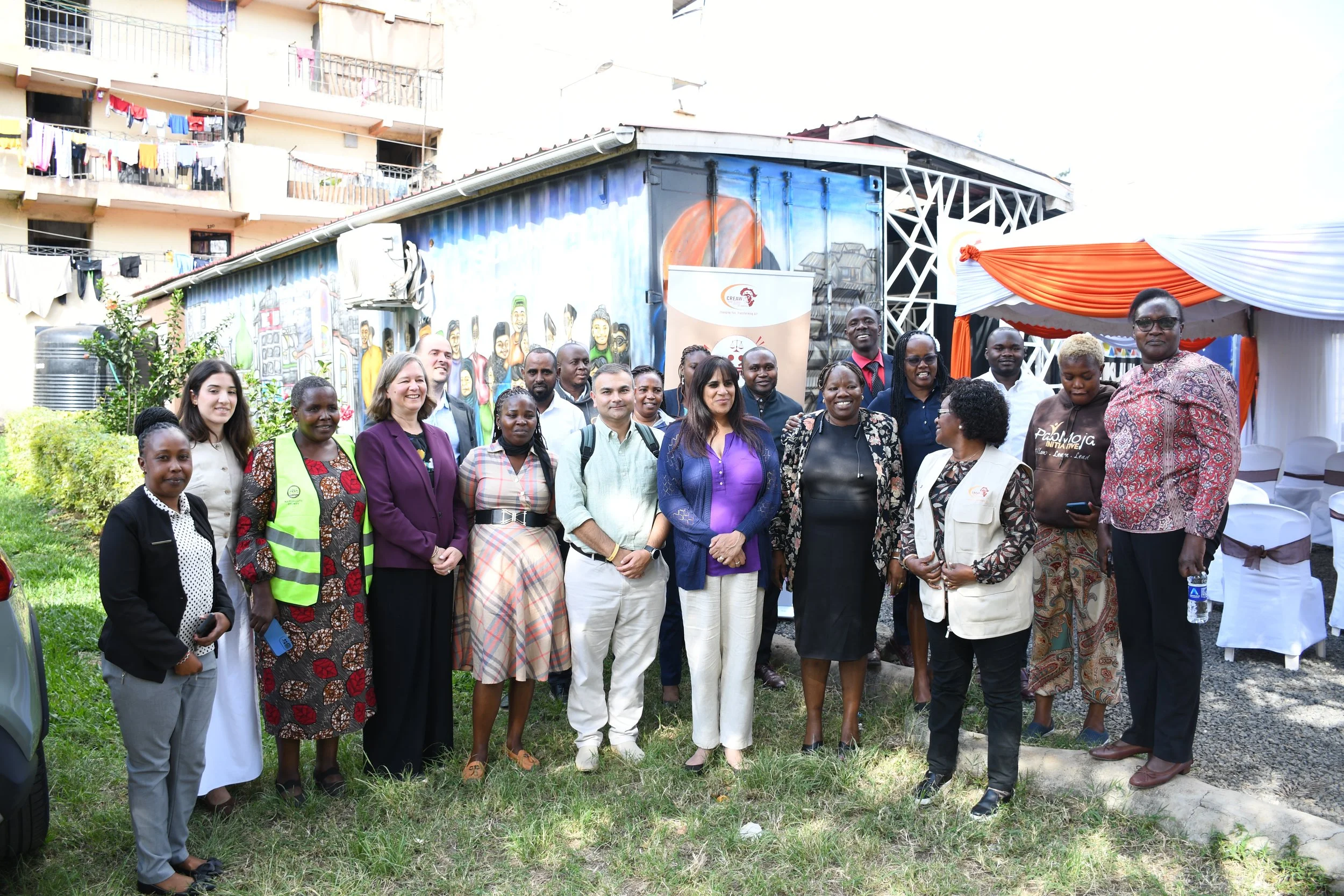
Despite challenges in reduced funding, multilateral and civil society organisations highlighted their ongoing work and continued impact of development and humanitarian programmes in Kenya. In Nairobi, the delegation visited the Mukuru Health Centre to meet CARE International and the Centre for Rights Education and Awareness, which deliver UK ODA-funded programmes focused on ending violence against women and girls (VAWG), a key FCDO priority. The delegation met implementers of the flagship ‘What Works to Prevent Violence’ programme, which addresses the structural drivers of VAWG through evidence-led approaches, including work with men and women to challenge harmful gender norms.
Building on the success of What Works, the delegation heard how BATUK has supported the adaptation and expansion of ending VAWG support centres across the country, illustrating how the UK’s development, diplomatic and defence tools can be more effectively aligned to deliver greater impact.
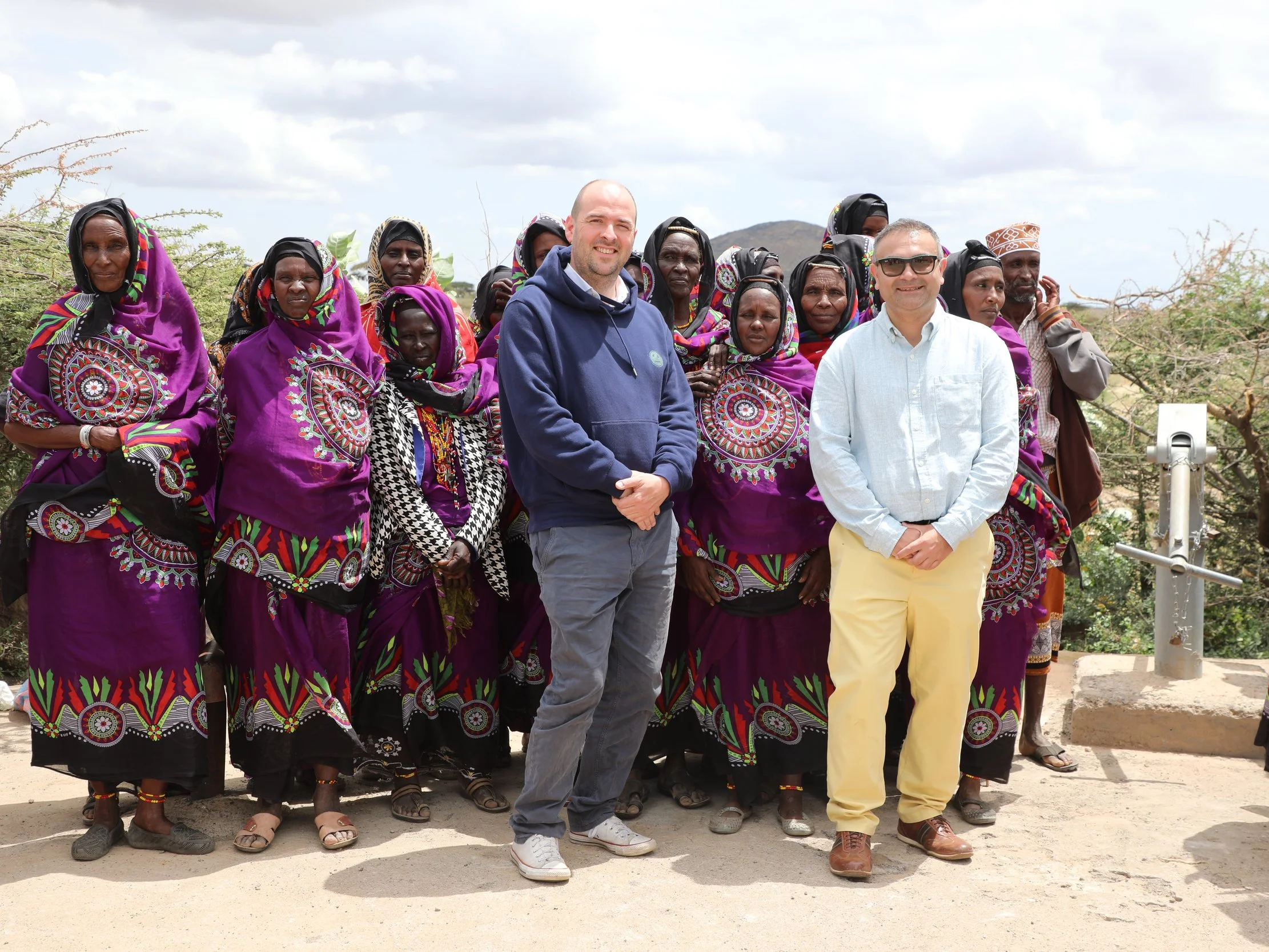
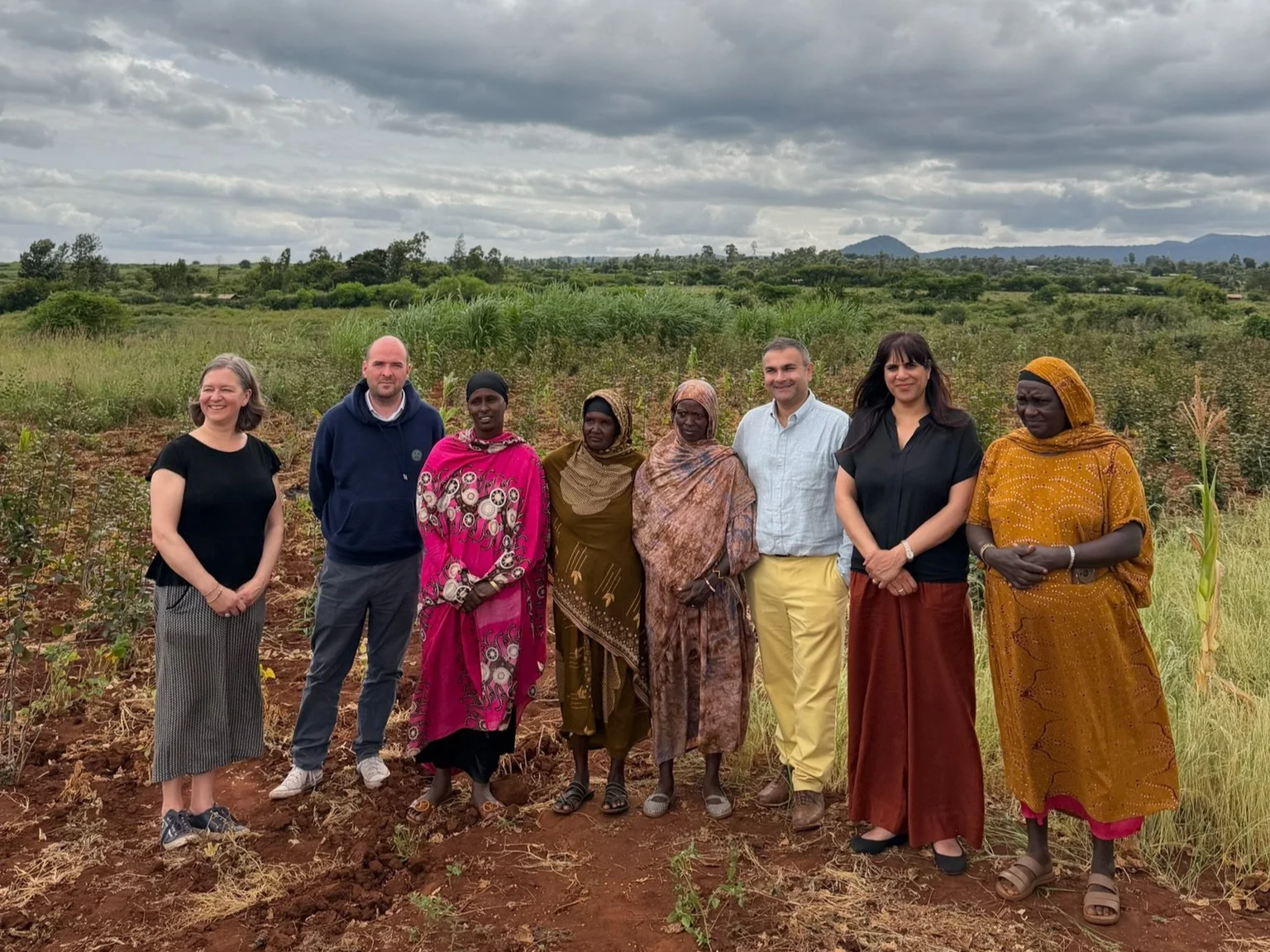
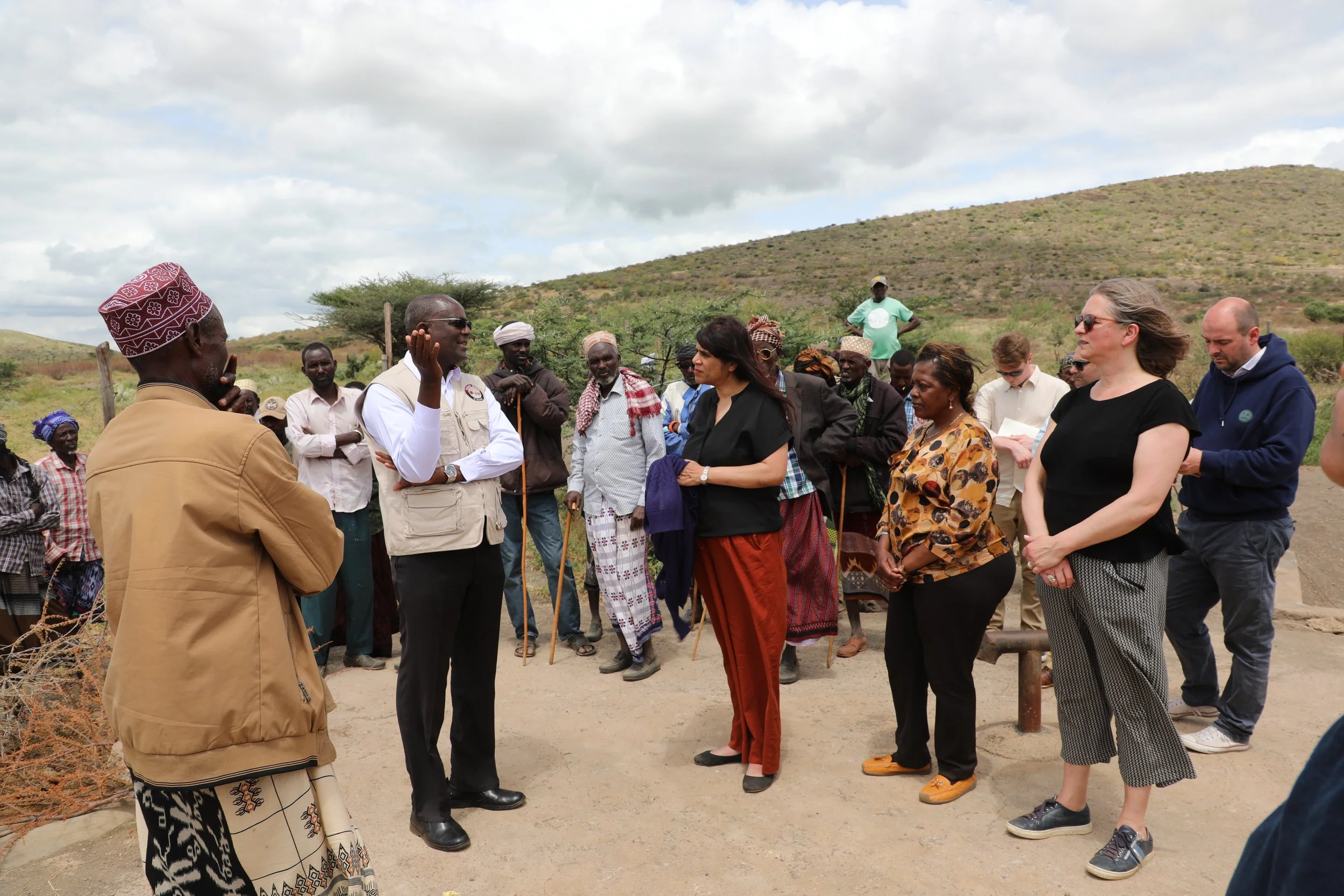
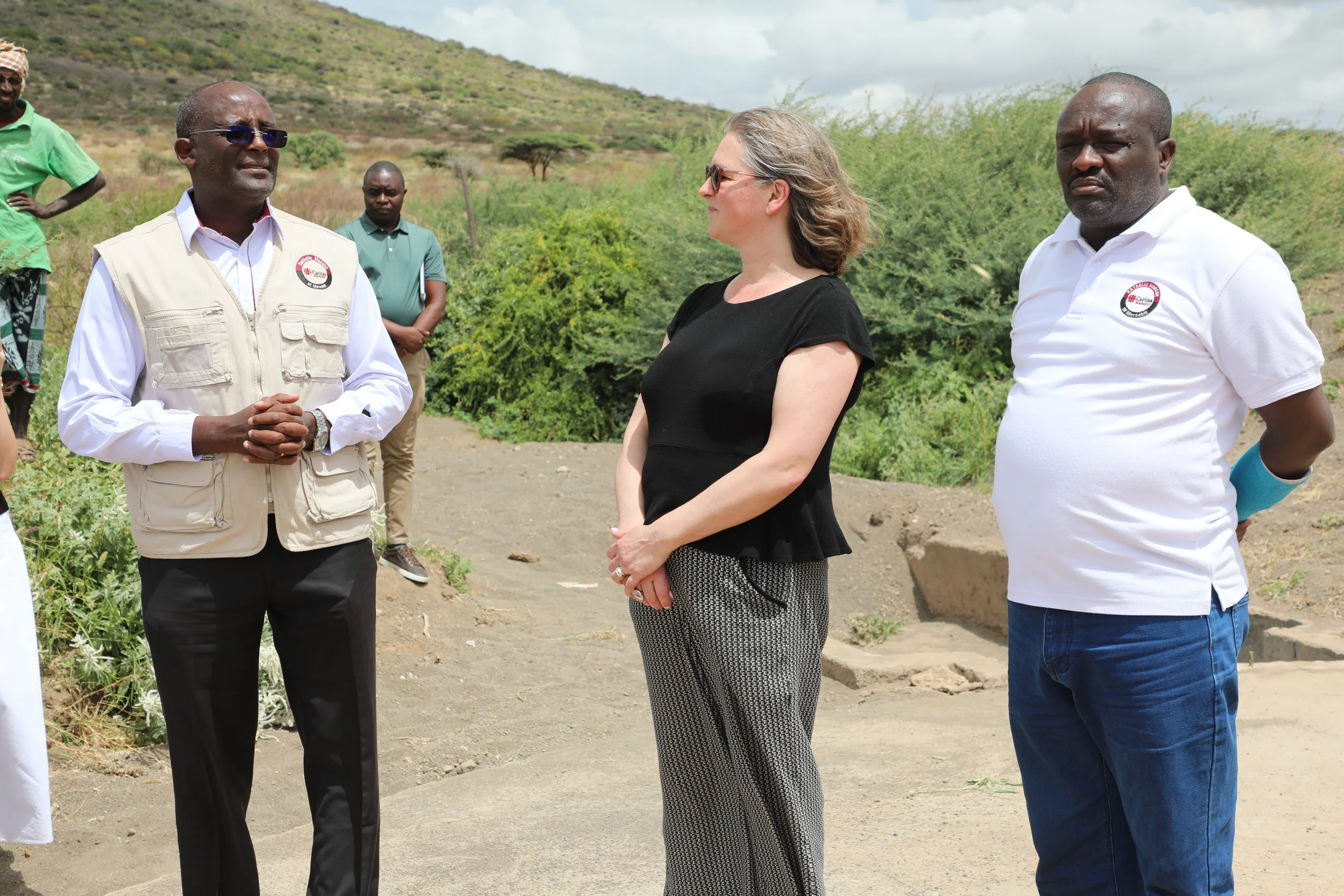
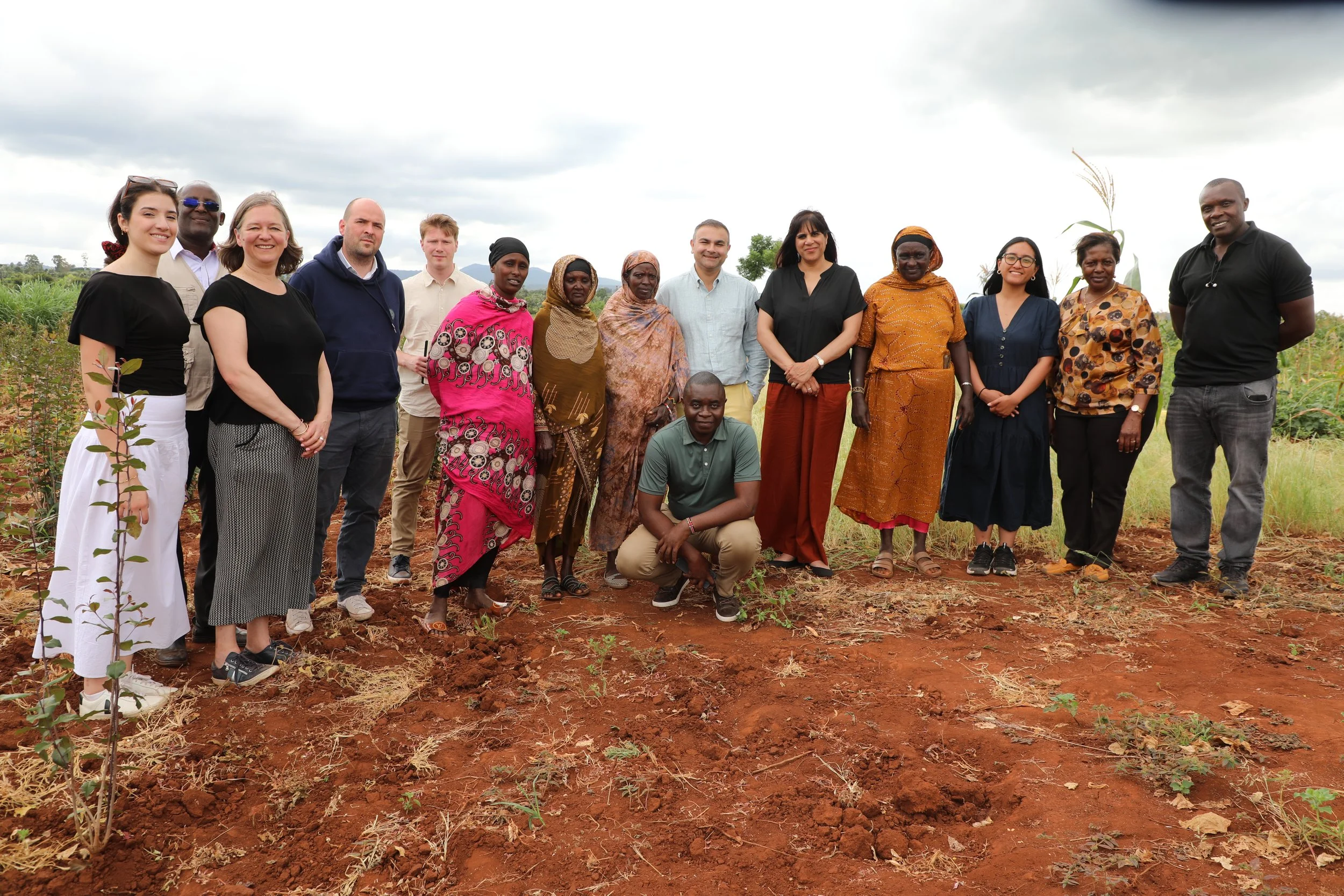
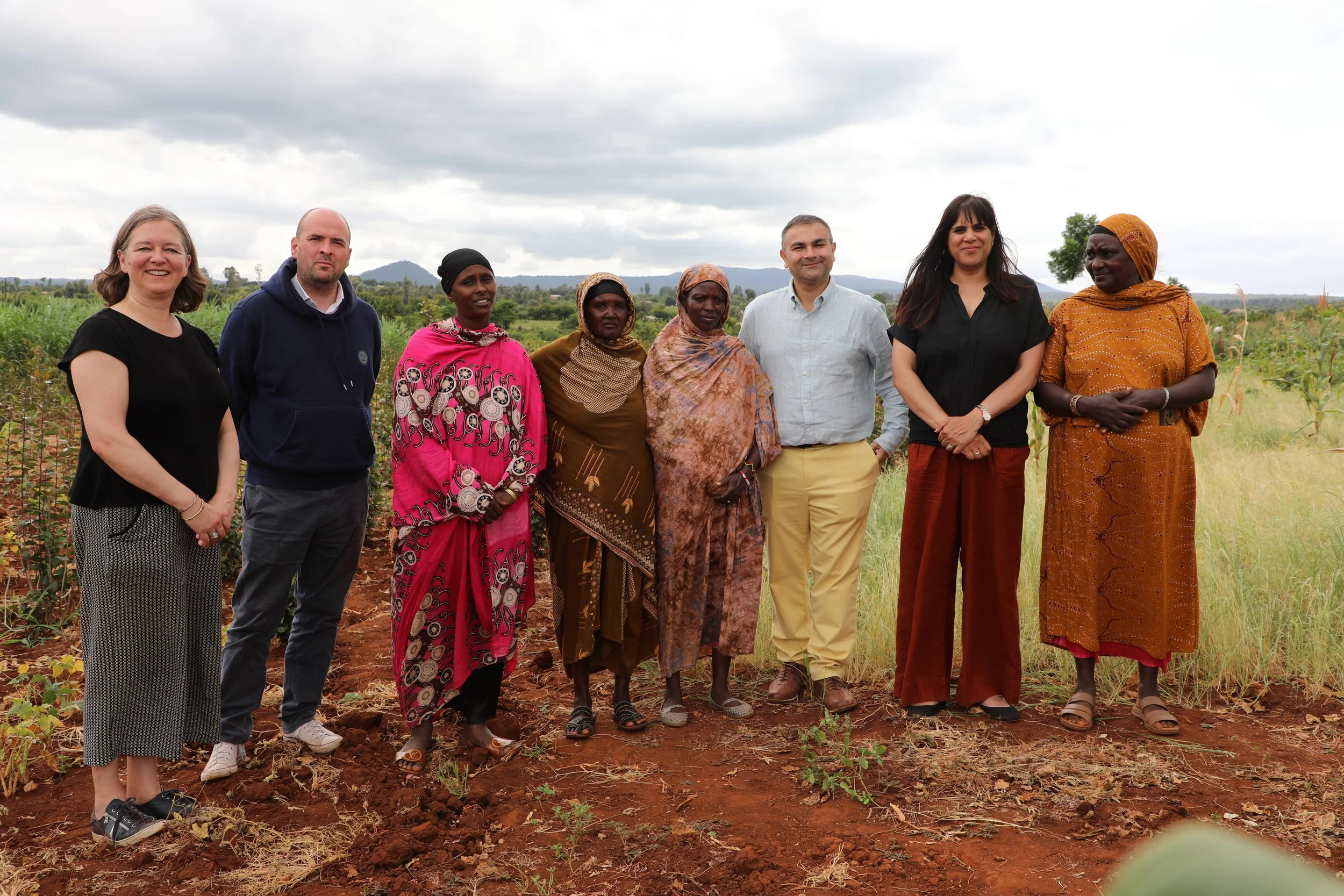
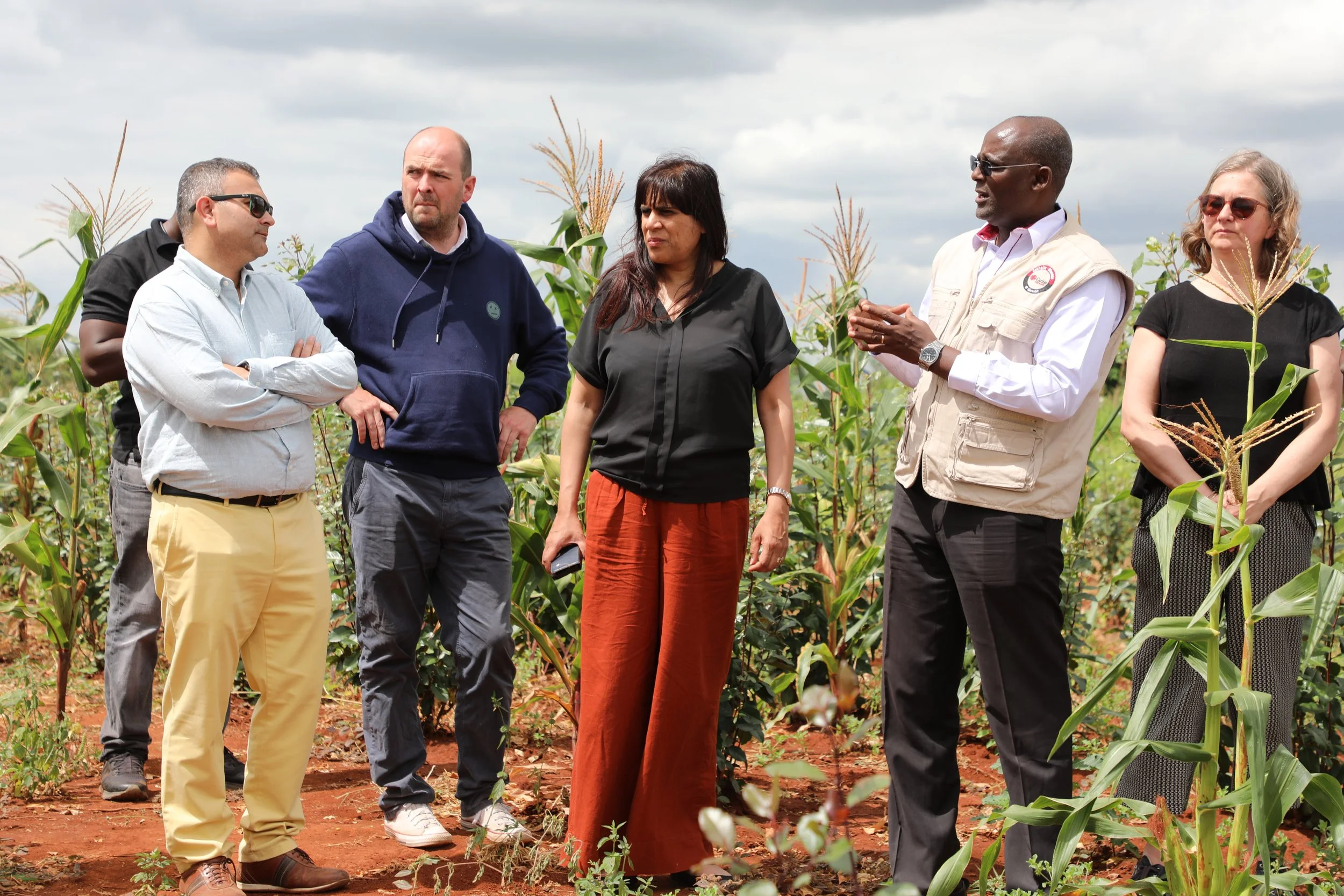
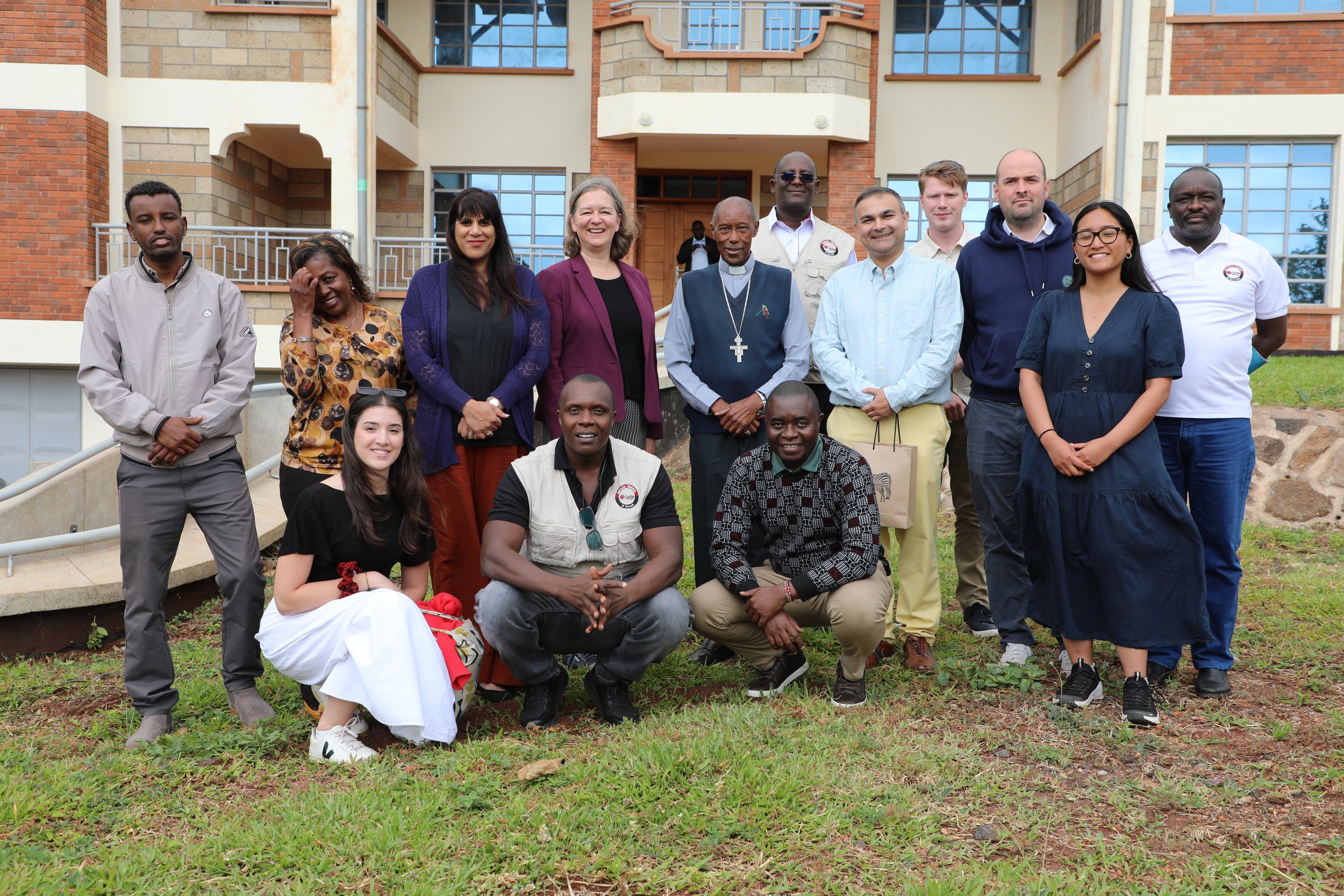
The delegation also travelled to Marsabit County in the North - one of Kenya’s most climate-affected regions - where communities are facing increasing pressure from extreme drought and flooding risk, with implications for food security and migration, to understand how CAFOD works through church networks to ensure funding reaches the most vulnerable and hard-to-reach communities.
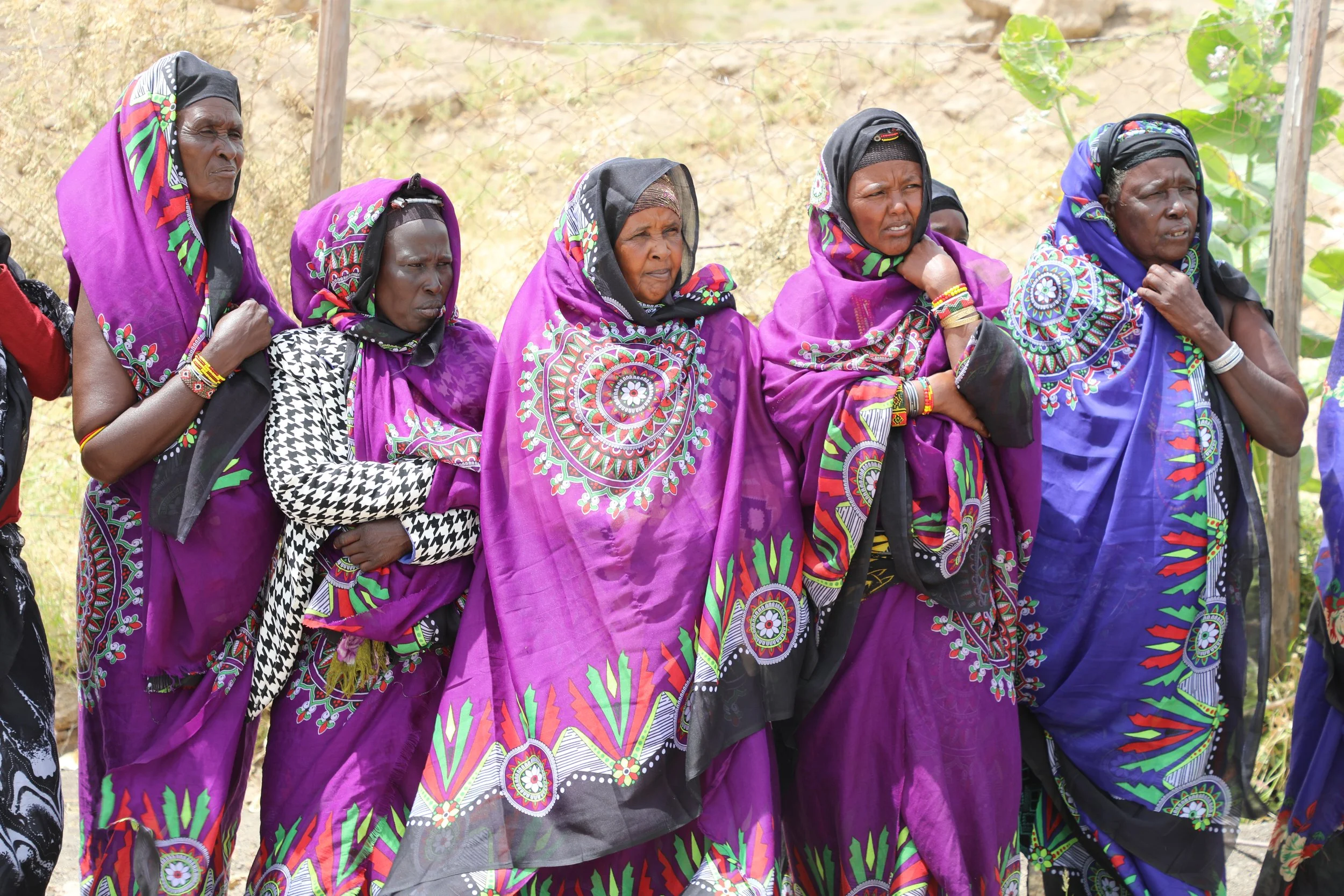
Parliamentarians saw how CAFOD-supported water infrastructure has improved access to drinking water for 162 families in an area where scarcity remains a key driver of vulnerability and displacement risk. They also met a women-led farming group of widows, where women’s participation in climate-resilient farming is strengthening household incomes and reducing exposure to climate-induced migration.
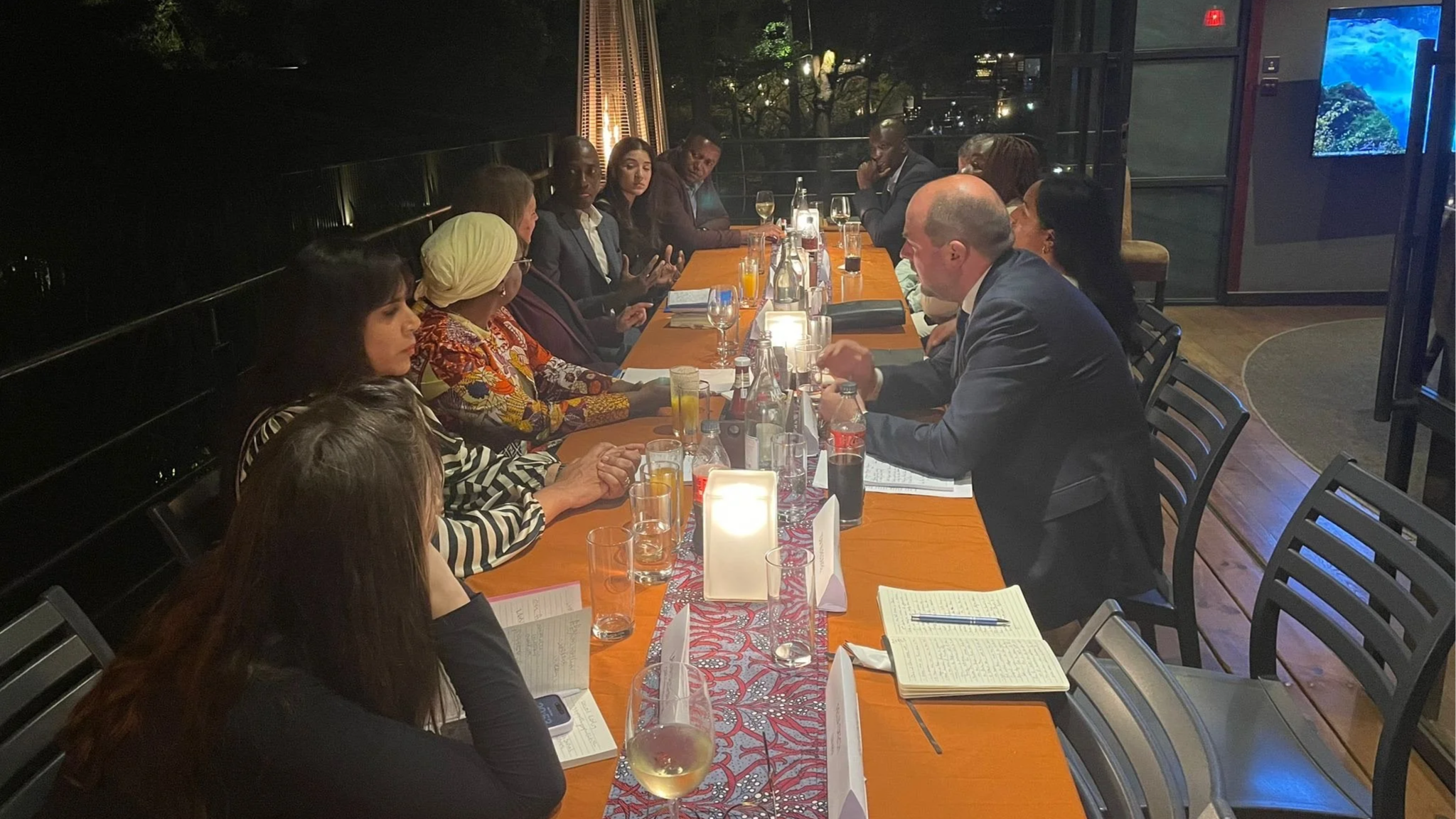
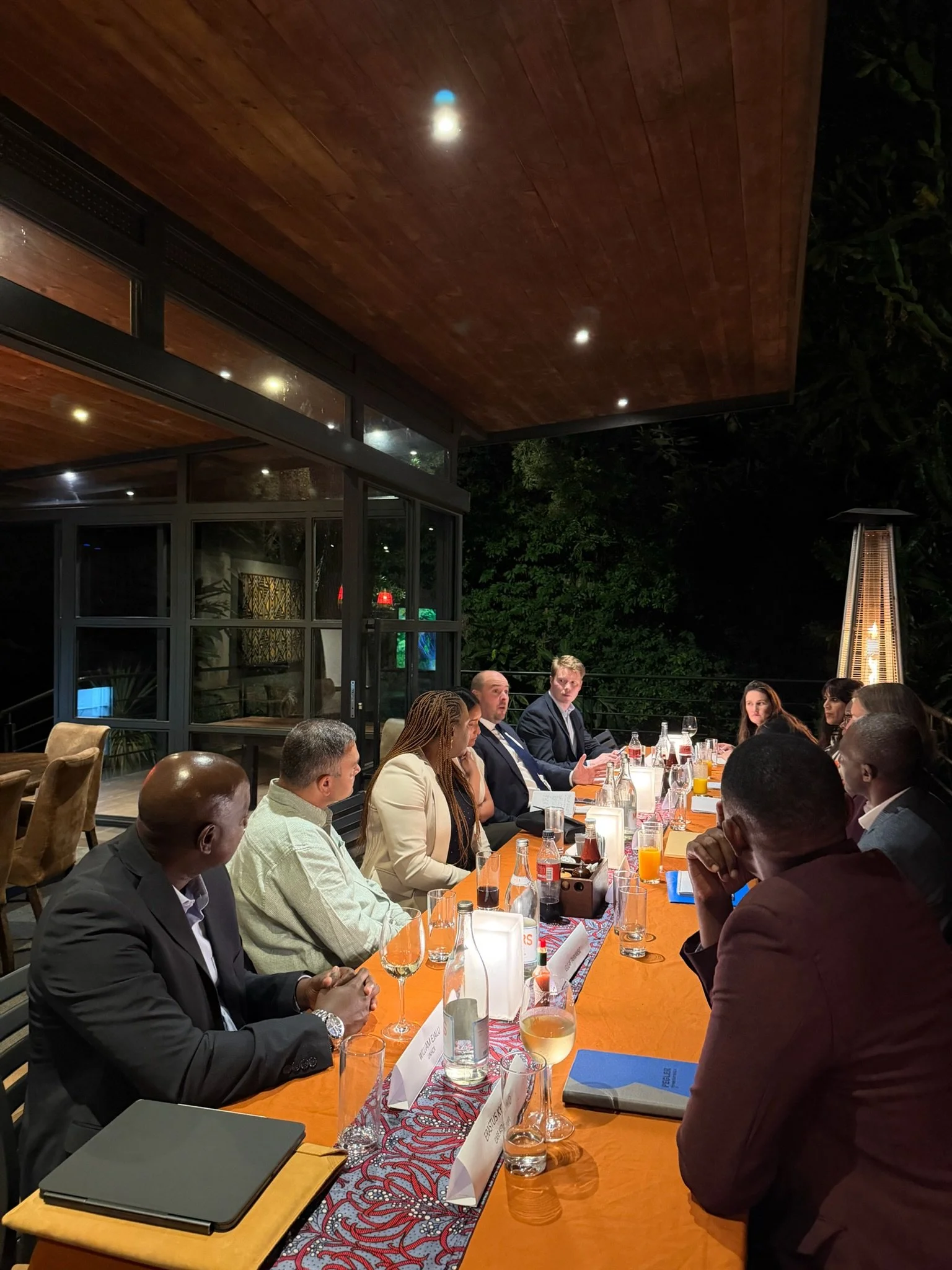
Such migration pressures sit alongside Kenya’s role as the fifth largest refugee-hosting country in Africa, hosting nearly one million asylum seekers from neighboring countries including Somalia, South Sudan, Ethiopia, and the DRC. In a private dinner joined by UNHCR, the World Food Programme, and CARE International, discussions highlighted the scale of protracted displacement in the region, alongside growing tensions between domestic and refugee communities, constrained humanitarian funding, and its wider implications for onward migration routes towards Europe.
The range of pressures shaping stability in Kenya spans climate change, regional displacement and security challenges, all within the context of constrained funding that are increasingly reflected in shifting international alignments across the region. The visit provided an opportunity for the delegation to reflect on the depth of the UK–Kenya partnership, and the importance of sustained UK engagement across security, development, trade and humanitarian response in supporting stability across a rapidly changing region.